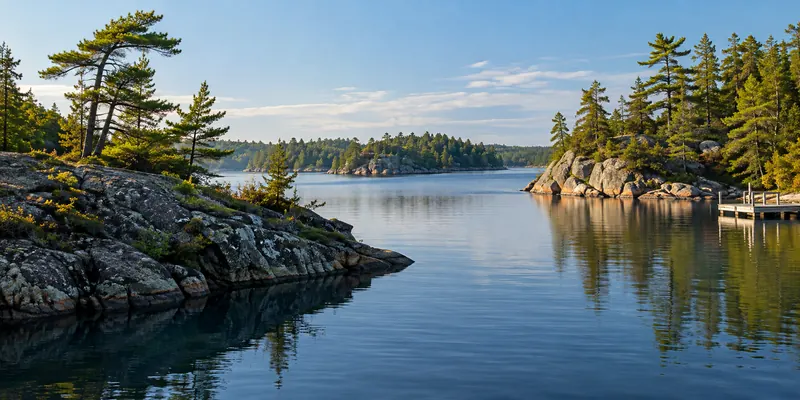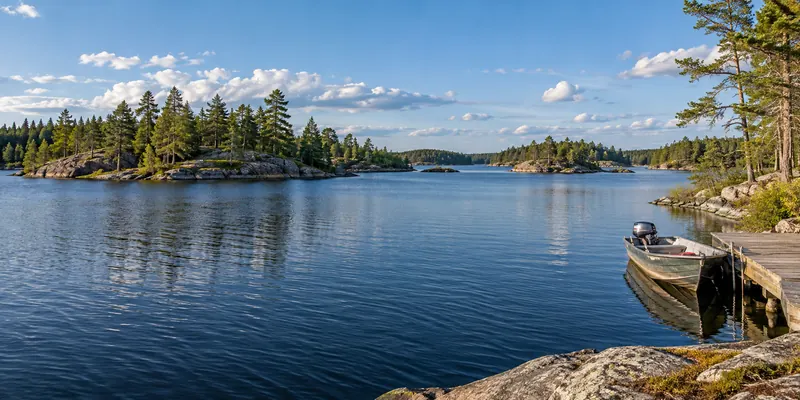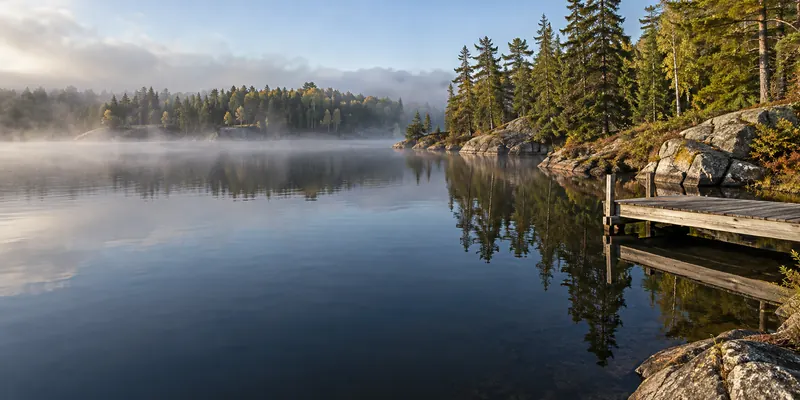
At Gowganda, Highway 560 carries you into fishing country without making the water a fly-in-only proposition. The community sits beside Gowganda Lake, in a part of northeastern Ontario where a trip can centre on a cottage dock, a familiar stretch of shoreline and a small number of well-used rods. The pace is yours to set.
Gowganda fishing offers a main-lake holiday with other waters nearby, though those extra waters need their own access arrangements. There is a difference between seeing a lake on a map and having permission, a suitable boat and a known route to fish it. Start with Gowganda Lake, learn what the local hosts offer, and leave room in the week for something other than another rushed departure.
Start with the lake in front of you
The main lake has enough changes in depth and shoreline to make a careful first day worthwhile. Auld Reekie's fishing notes describe islands, shoals, deeper holes, rock edges and vegetated bays. Those are useful starting points for a conversation with the hosts, rather than a ready-made route through unknown water.
Ask for a map briefing before taking the boat out. Find the dock, mark a sensible first area and check which passages need caution. If your boat has a fish finder, spend a little time learning its controls at the dock. The first unfamiliar menu should not be opened while the boat is drifting toward a rocky shore.
Bring a paper map and keep the return route simple. A small section fished well will teach more than an afternoon spent travelling between places you barely recognize.
A walleye day with a plan
Walleye are part of the Gowganda Lake fishing, alongside pike and smallmouth bass. Make a main target for the day and pack accordingly. Carry a few jig weights, spare line and a presentation you know how to fish, rather than assuming a larger lure collection will answer every question.
Work an edge slowly enough to notice the bottom. Record the depth of a bite and whether it came at the start, middle or end of a pass. If the boat drifts too quickly to keep control, change the route or the method. If you lose contact with the bottom, reconsider the jig weight and line angle.
Local advice should be specific. Ask which types of structure are worth trying for your dates and where a newcomer can work them safely. One useful explanation about a contour or a sheltered section may be worth more than several hurried spot names.
Leave room for pike and bass
A pike rod can give the group another direction when it is time for a change. Rig a suitable leader, have pliers ready and choose lures that match the tackle. Keep fingers away from teeth and gills, and use a landing net that suits the fish you are trying to catch.
For bass, pay attention to the shoreline you are fishing rather than casting at every piece of cover at the same pace. Work a short stretch, note what draws interest and try another similar stretch. Stop fishing for a species if its season is closed; the presence of fish does not grant permission to target them.
Prepare for release before starting. A wet measuring board, a ready net and an uncluttered boat make handling easier. A fish held while somebody searches for a camera is paying for poor planning.
Other lakes need another conversation
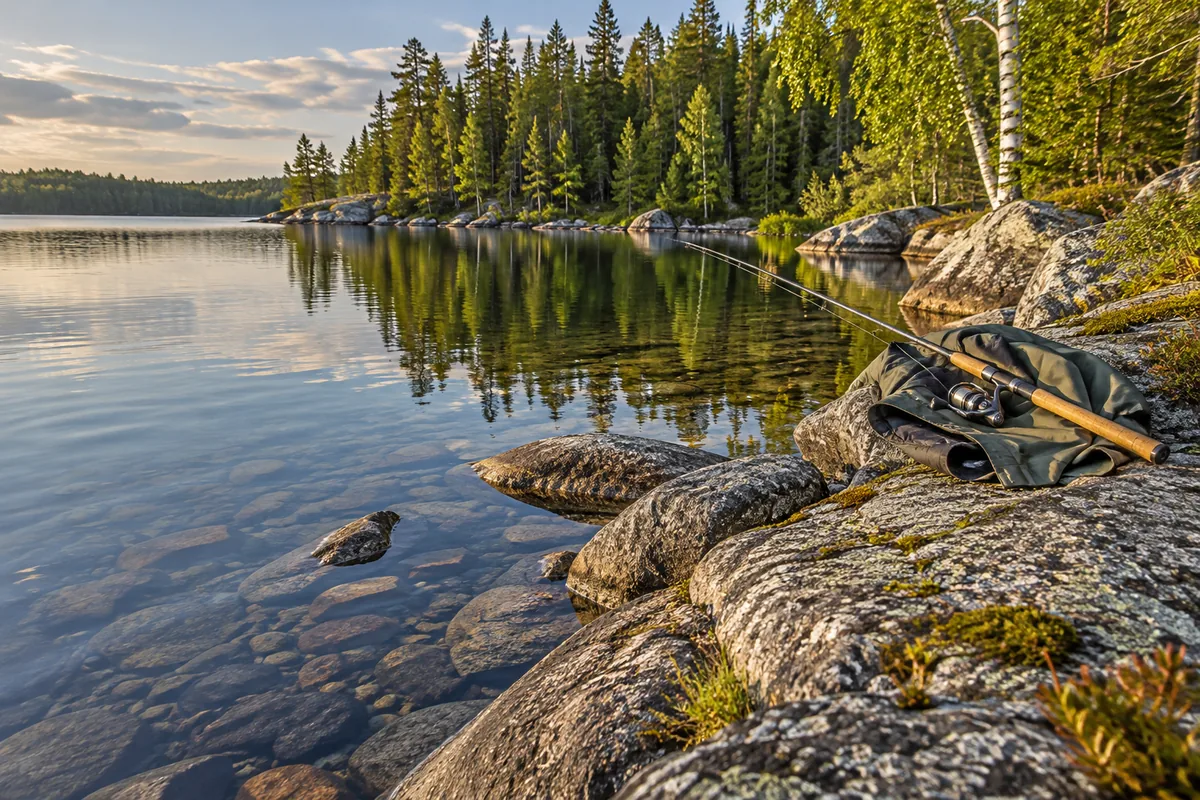
Auld Reekie lists backcountry fishing waters served by boat caches. That may offer a change of scene during a longer stay, but it is a separate plan from heading out on Gowganda Lake. Ask what access is available, what the transfer involves and what you should carry for the day.
Do not borrow a cached boat, use a private trail or assume shore access because a lake appears close to the highway. Confirm the arrangement with the operator who provides it. Learn the exact water's fishing rules and bait requirements as well; the lodge notes that its backcountry options include waters in different fishing zones.
Carry a lunch, water, weather clothing and a clear return plan. Tell somebody where you are going. A change of lake should add interest to the holiday without leaving the group guessing how to get home.
The country has a mining past
Gowganda's silver-mining history helps explain some of the roads, names and older features around the area. The Cobalt Historical Society holds historical correspondence describing early travel toward Gowganda through Elk Lake. Reading a little of that history gives the drive a second subject, apart from fishing reports.
For a planned stop ashore, the Elk Lake Heritage Museum presents the area's mining, logging and community history. It is in Elk Lake, rather than Gowganda itself, so fit it into a road outing or the journey to camp. Check the township's museum page before visiting. Its opening season and hours matter, and an old summer listing should not decide an autumn trip.
Historic mine workings are not casual walking routes. Stay clear of shafts and openings, respect private property and choose a public museum visit when you want a closer look at the past.
Make the drive part of the plan
Gowganda lies on Highway 560. Auld Reekie's directions describe an eastern approach through Highway 65 and Elk Lake, and a western approach from Highway 144. Use current road maps and the operator's final arrival instructions, then check road conditions before setting out.
Buy fuel and the main supplies with enough margin for a relaxed last leg. Confirm what is stocked at your destination rather than counting on every item being available when you arrive. Put the first evening toward unpacking, checking the boat arrangements and looking at the map.
Review the current Ontario rules for the exact lake and species before fishing. Keep licences and required boating equipment ready, wear lifejackets and ask about current conditions. A simple daily plan leaves more time for fishing than a long list of unsettled details.
A stay at Auld Reekie
Auld Reekie Lodge sits on Gowganda Lake and offers lodge and cottage accommodation through the year. For anglers, its fishing arrangements include the main lake and listed backcountry boat-cache options. The business also offers ATV and snowmobile trips, which may suit a separate visit or other members of the group. For a fishing holiday, start with the lake, the boat arrangements and the accommodation your party needs. Visit the official website, ask which packages and access options are available for your dates, and let the hosts help turn those choices into a workable week.

A PLACE TO STAY
Auld Reekie Lodge
Auld Reekie Lodge sits on Gowganda Lake and welcomes guests through all four seasons. Lodge and cottage stays support fishing holidays, while ATV and snowmobile packages serve visitors who also want time on the area’s trails.
Visit the lodge website ↗See the directory card ↗