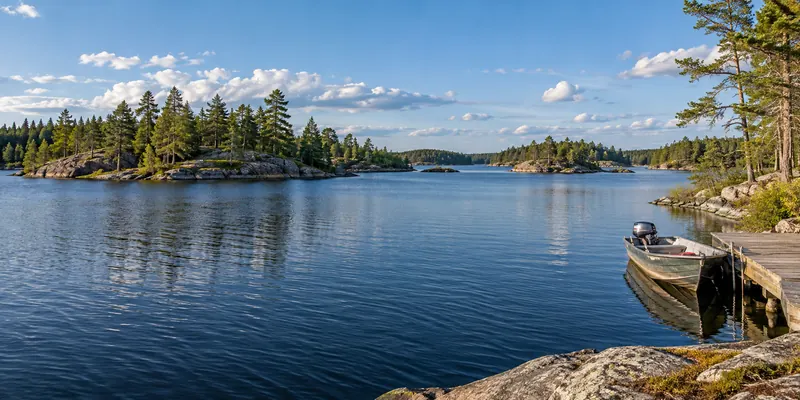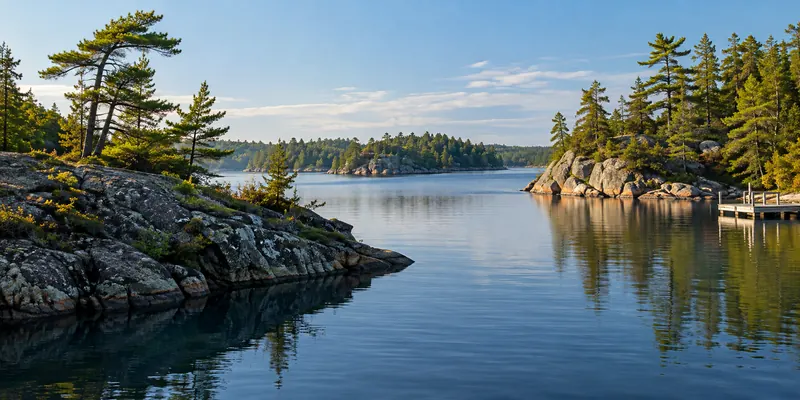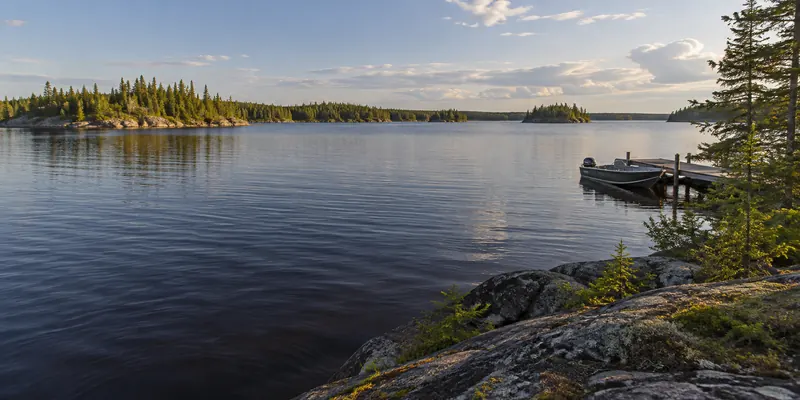
The name Lac Seul is familiar to plenty of walleye anglers long before they see the water. Arriving near Ear Falls makes the scale less abstract. The lake is not one tidy bowl with a shoreline you can learn in an afternoon. Bays, islands, channels and long reaches leave a newcomer with decisions to make before the first jig goes over the side.
That is a good reason to give a Lac Seul fishing trip more than a spare weekend, when time allows. A settled base near Ear Falls lets you spend less of each morning starting from scratch. You can learn a route, work a section thoroughly and return with a clearer idea of what happened. The aim is a fishing week with some shape to it.
Choose your part of the lake
Lac Seul rewards a focused plan. Begin with the area served by your accommodation and ask which routes suit the boat, the forecast and your experience. A guide's first job may be to teach the water, rather than to fill a stringer. Seeing a route with somebody who knows it can be a sensible use of the opening day.
Keep a chart available even if the boat has a GPS. Identify the camp, the intended fishing area and the route back before leaving. Do not assume another boat's track suits your own draft or the present water level. Where an island channel or point is unfamiliar, slow down and ask rather than trying to turn guesswork into confidence.
Give walleye some proper attention
Walleye are a main reason to come, with northern pike and other species adding choices. Evergreen Lodge also lists yellow perch and smallmouth bass in its local fishing. Decide which species matters most to your group when choosing dates, tackle and any guiding.
For a walleye day, a modest selection of jigs, suitable soft plastics and a second presentation you know well will cover more ground than a crowded box of unfamiliar lures. Ask about local bait rules before buying or transporting live bait. Put spare leaders, pliers and a measuring board where you can reach them.
Fish a depth edge with enough patience to learn it. If the jig keeps hanging up, change the boat's path or its weight. If bites come on one short part of the drift, note that part and make another controlled pass. The useful lesson is often a small one: where the bottom changed, how the wind moved the boat, or which direction kept the line manageable.
Keep the week flexible
A week works better with a spare plan. Set aside one nearby area for a short session, another for a fuller day when conditions suit, and an ashore option for a poor boating forecast. There is no need to decide on Monday exactly where Thursday's lunch will happen.
Talk with your host after the day's fishing. Report the depth, the general area and the methods used rather than only asking where the fish are. A few specific notes let local advice build on what you already know.
If pike are part of the plan, rig a rod for them and carry the right landing tools. Changing species should mean a change in tackle and fish handling, not simply casting the walleye rod into another bay. Prepare the landing net before the fish is beside the boat.
Big water asks for a margin
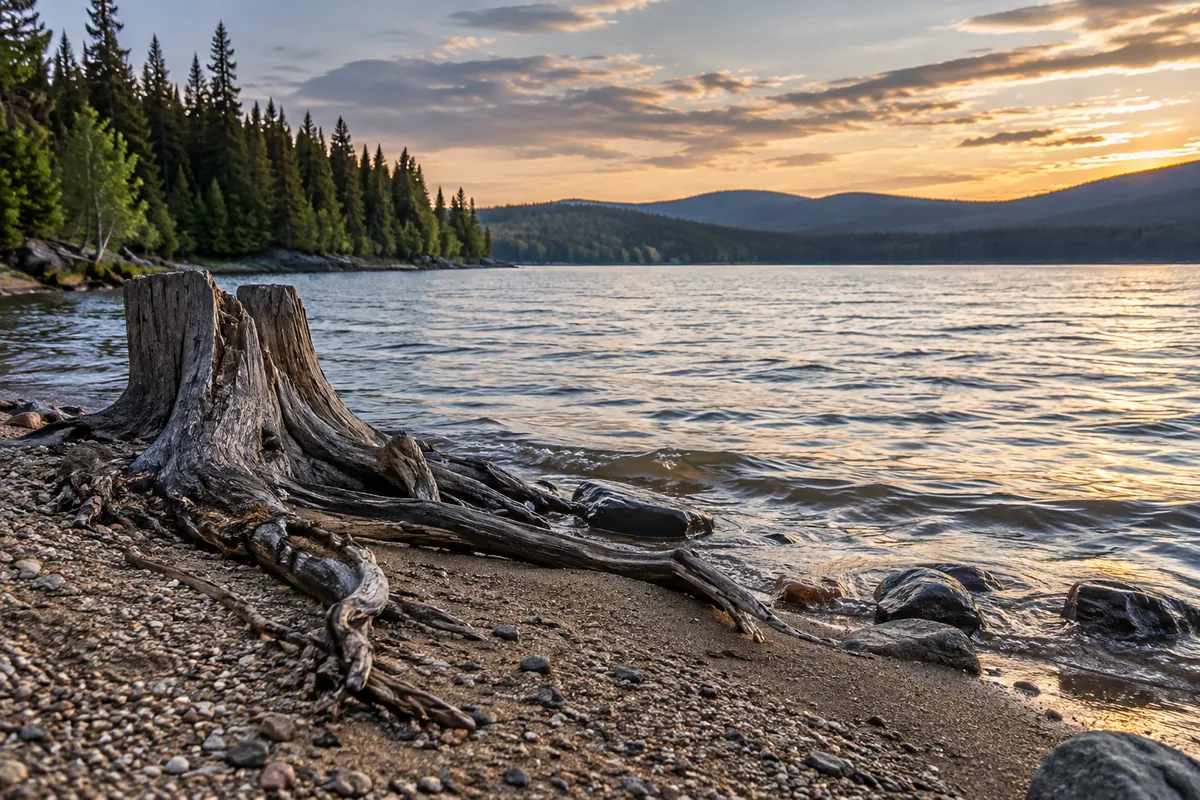
A fishing route has two halves. Consider the return trip while the weather is still good, with fuel, daylight and wind direction all in mind. A long open reach should not be treated as a final detail after the rods are packed away.
Wear a lifejacket, carry the required boating equipment and leave your intended route with somebody ashore. Keep a warm layer and waterproof clothing handy. Protect maps, phones and other electronics against rain, and have a way to find the route if one device stops working.
Read the current Ontario fishing rules before the holiday and again when choosing your exact water. Lac Seul has water-specific requirements that deserve a direct check in the official guide. Measure fish carefully, identify them correctly and have the release equipment ready. A remembered limit from an earlier trip is not a sound basis for this one.
Give Ear Falls a little time
Ear Falls is more than the last supply stop. Its Waterfront Park, reached from Highway 105 by Waterfront Road, has picnic space and the historic Patricia freight boat. It is an easy subject for a day ashore: bring lunch, look at the boat and let the group take a break from tackle and charts.
The township also lists a paved walking route between the Municipal Building and Waterfront Park. That offers another way to spend an hour without driving to a distant attraction. Check local notices and current access when planning the visit.
Farther north, Pakwash Provincial Park has a sandy day-use beach. Check operating dates, park alerts and beach notices before going, as a seasonal park is not an automatic year-round option. A beach afternoon can be a useful trade for the family member who has patiently shared several mornings in the fishing boat.
The road north
The Ear Falls approach uses Highway 105 north from the Highway 17 area at Vermilion Bay. Start with your accommodation's directions, then check current road conditions before leaving. Buy the main supplies early enough that the last leg is not a race against a closing store.
For a camp reached from Highway 657, confirm the final road and entrance with the operator. A lake this large has many addresses that share its name. Ask where to launch, how the docks are arranged and whether the boat package matches the number of people and gear in your group.
It is also worth asking about maps, fuel, bait, guiding and fish storage while booking. Clear answers spare the first morning from a string of small errands and let you spend that time learning the water.
Staying at Evergreen Lodge
Lac Seul's Evergreen Lodge offers furnished cabins and fishing packages near Ear Falls. Guests can arrange a rental boat or discuss bringing their own, and the lodge lists marina services and a fish-cleaning building with freezer storage. Its fishing page also recommends guides for first-time visitors and describes maps provided to guests. Those practical details make it a useful place to ask about a first Lac Seul week. Visit the official website, confirm the current package details and tell the hosts what kind of fishing and boating experience your group brings.

A PLACE TO STAY
Lac Seul's Evergreen Lodge
Evergreen Lodge offers furnished cabins and fishing packages on Lac Seul near Ear Falls. Anglers can rent a boat or bring their own. The camp lists marina services, bait, ice and a fish-cleaning building with freezer storage.
Visit the lodge website ↗See the directory card ↗