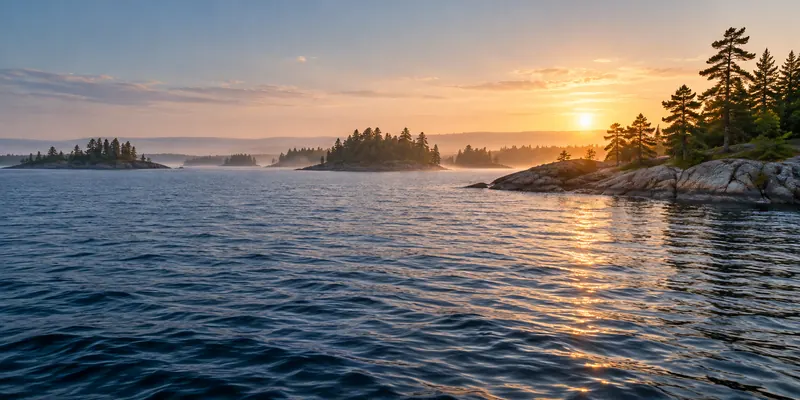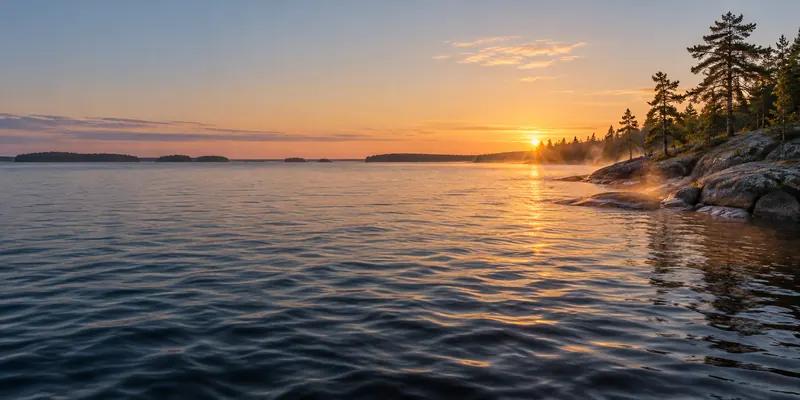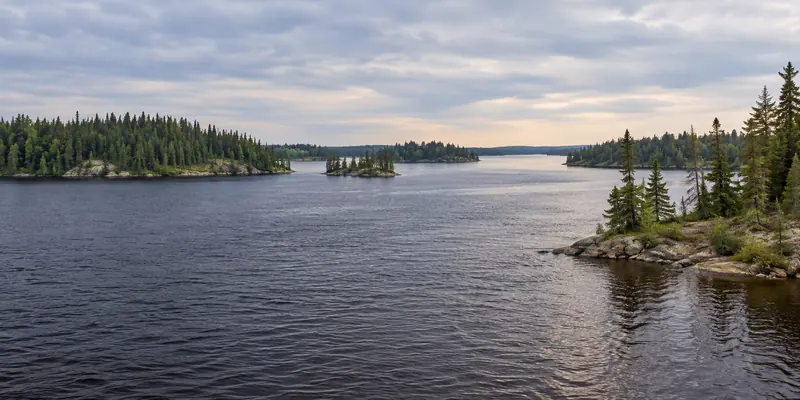
Lac Seul fishing begins with a large northern reservoir and ends, on any useful planning map, with a much smaller piece of water. The whole lake is too broad a starting point for choosing a cabin or a day's route. Ear Falls, Sioux Lookout and the landings between them put anglers on different parts of the system. Where you leave the dock shapes everything that follows.
For fishing trips here, start with the fish you want to target and the water within a sensible run of the base. Then look at the boat, guide arrangements and daily supplies. The cabin photograph can wait until those details fit.
Ear Falls and Sioux Lookout are different starting plans
Ear Falls is a western gateway to Lac Seul. Sioux Lookout and nearby Hudson give access from the eastern side of the wider lake country. A property connected with one town may still require a separate drive or boat transfer to reach its dock. Get the full arrival instructions from the operator.
Ask which part of Lac Seul you will fish during an ordinary day. Mark the departure point, the usual route and the places available for fuel or help. Two guests can spend a week on this reservoir and see quite different water. Choose the part that suits your equipment and the amount of running you want to do.
A walleye day needs more than a lake reputation
Walleye is the main draw for many visitors. Lac Seul's stained water, islands, points and bays give anglers plenty to study. A useful first plan is to work a small range of features carefully rather than race between widely separated places that someone has circled on a map.
Bring jig weights that let you stay in touch with the lure as the wind changes. Check the depth of each pass and the speed of the boat. If a bite comes on one side of a point, remember the direction you were moving and the distance from shore. Those details turn a promising spot into something you can fish again with a purpose.
Compare a point, a bay and deeper water
The lake offers different kinds of fishing water within its bays and channels. Ask a local guide which features make sense for the season and the conditions at your base. One conversation may save you from spending half the first day looking for a place too far away to fish comfortably.
When an area is quiet, move through a sensible sequence. Check another depth on the same feature, try a slower presentation, then decide whether to change places. Keep the adjustments small enough to learn from them. A day with fewer miles can leave you knowing more about the water than a day spent chasing every suggestion.
Make room for pike without changing the whole trip
Northern pike gives Lac Seul anglers another target. If the group wants to fish for pike, bring suitable leaders and landing gear, and ask about nearby bays or edges that fit that outing. Do not put the fish-handling plan off until a pike is beside the boat.
Other species, including muskie opportunities in parts of the system, need a more specific conversation. Confirm the fish and the area with the host or guide before booking around them. A species being present somewhere on a large reservoir does not make it a practical target from every dock. Keep the main fishing goal clear and treat the rest as separate choices.
Water levels belong in the daily briefing
Lac Seul is regulated water. The Lake of the Woods Control Board publishes level and flow information for the reservoir. That is useful trip context, although it does not replace a navigation chart or tell you the clearance over a particular rock.
Ask about present levels, submerged hazards and the routes your operator recommends. Slow down near unfamiliar narrows and shorelines. A track saved on a previous visit is a record of where you went then, not a promise about today's water. Read the Control Board's current notices before departure and get the local picture once you arrive.
Pick a boat routine the group can live with
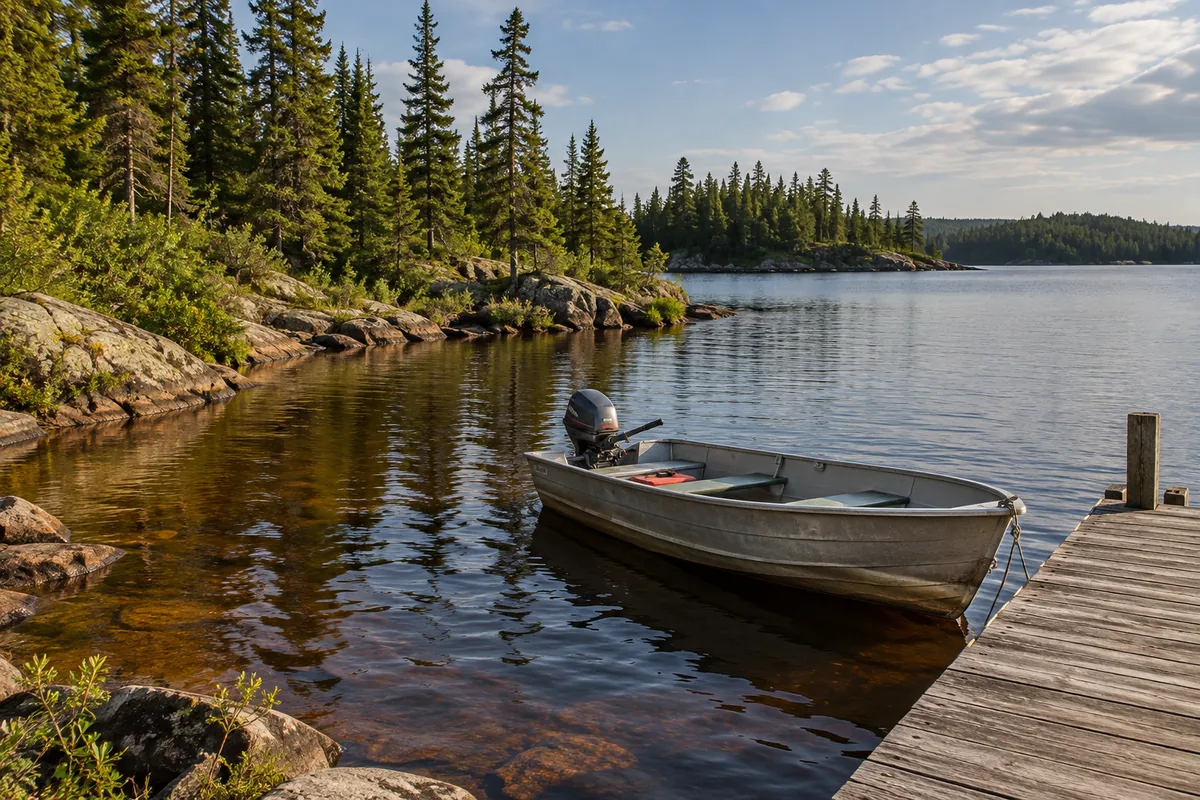
A long fishing day becomes easier when fuel, seating and weather gear are settled beforehand. Ask what the rental includes, where refuelling happens and whether the supplied boat suits the reach you intend to cross. If taking your own boat, confirm the launch and overnight docking arrangements.
Keep food and dry clothing close at hand, with tackle secured for the ride. Agree on a comfortable return time and leave someone with the day's route. For a first visit, a guide can help with both the fishing and the daily geography. That is worth considering when the group has limited time to learn the lake.
Leave the week some room
Plan one shorter fishing option near the base. It gives the group somewhere to go when wind rises, someone is tired or the day begins late. A week's holiday should not depend on making the longest run every morning.
Check the current Ontario fishing rules, including Lac Seul exceptions, before deciding what you may target or keep. Compare Lake of the Woods if an island-country trip from a town or another lakeside base would suit you. The Northwestern Ontario guide gives the wider picture. On Lac Seul, the useful measure of a trip is the water you can fish well, not the whole reservoir printed on the map.