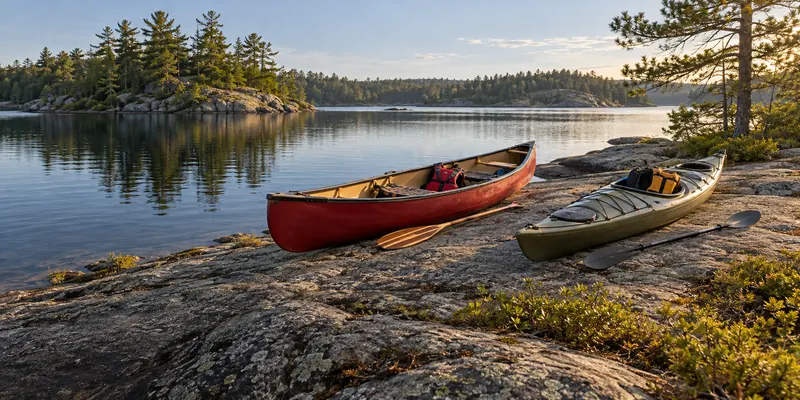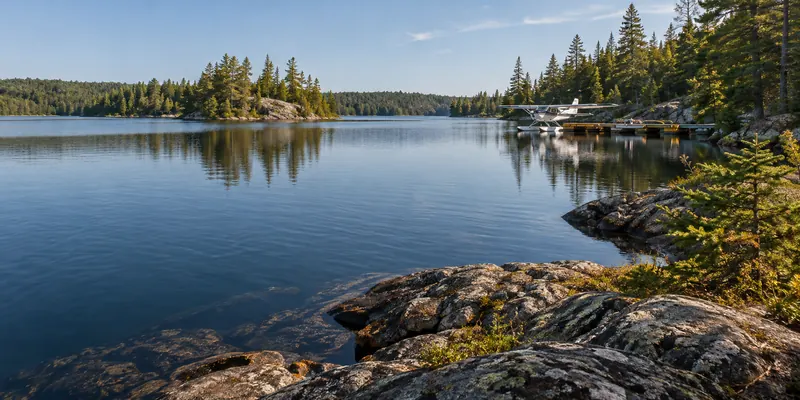
The last road ends at an air base. Ahead are a dock, a loaded floatplane and a lake you have studied on a screen but never seen from a boat. A first Ontario fly-in fishing trip can feel like a large undertaking while it is still a collection of bags in the garage. Most of the work belongs right there, before the drive north.
Start by deciding what kind of week you want once the aircraft leaves. A staffed lodge and a housekeeping outpost ask different things of their guests. The fishing may lead the conversation, but sleeping arrangements, meals and communication will shape every day around it. A few plain questions now leave more time for the water later.
Choose the week before choosing the lure
Ask each person in the party what would make the trip work for them. One angler may want long days chasing pike. Another may value a comfortable cabin, a quiet morning and an early supper. Those wishes belong in the booking conversation, before anyone pays a deposit.
For a housekeeping cabin, settle who will cook and clean. For a lodge stay, check exactly which meals and services are included. Find out about drinking water, bedding, power and washrooms. Get answers for the booked property rather than borrowing details from another camp’s website.
Use the Ontario lodge directory to build a short list, then speak with the operators. Ask about the fishing water itself, the boats supplied and what a newcomer should know. A useful answer is more valuable than a large fish photograph.
Give the grocery list one owner
Four anglers shopping separately can produce four bottles of dish soap and no breakfast for the final morning. Put one person in charge of a shared food list. Everyone should still flag dietary needs and personal items, but common supplies need a single count.
Plan meals around the cabin’s confirmed kitchen equipment. Choose familiar food that travels well under the operator’s packing instructions. The first supper should be straightforward: people may be tired, the bags need unpacking and nobody has learned the stove yet.
Ask how groceries, coolers and drinks count toward the flight’s baggage allowance. Weigh packed containers at home. Put labels on shared boxes so the person unloading can tell kitchen supplies from tackle without opening everything on the dock.
Pack rods for the trip they will make
Match the tackle to the lake’s confirmed species. A modest selection of jigs, casting lures or trolling gear, with spare line and the right release tools, is easier to manage than several boxes brought for every possible situation. Ask the operator which bait is available and which outside bait may be brought.
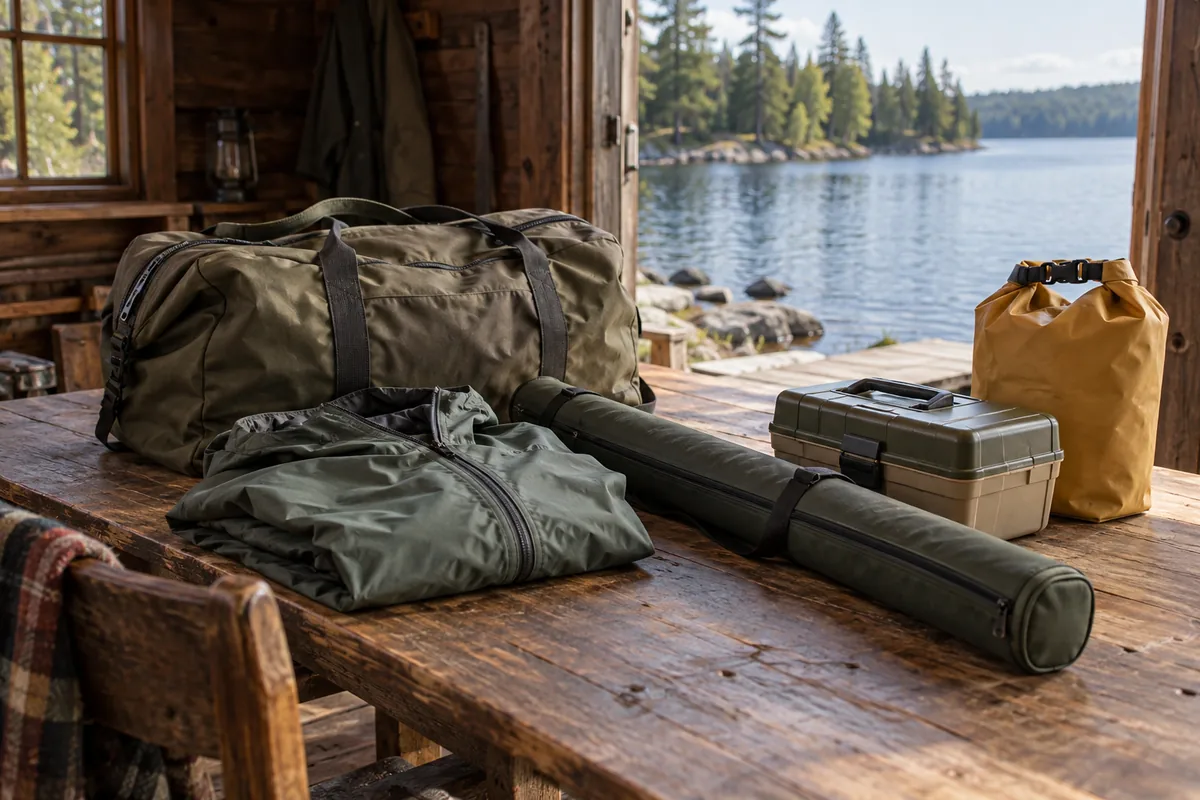
Check how rods must be carried and what cases fit the aircraft. Do not assume a long rigid tube is acceptable because it fitted a vehicle. Follow the air operator’s instructions for batteries, fuel, sprays and other restricted items before the bags are closed.
Rain clothing deserves room in the load. Keep it and a dry layer easy to find after landing. A neat packing list should include the ordinary things that make a wet afternoon manageable, not just the tackle that appears in fishing photographs.
Listen before the engine starts
Read Transport Canada’s floatplane passenger guide before departure. At the aircraft, pay attention to the pilot’s briefing and the safety card. Ask about anything you do not understand, including baggage storage, exits and the flotation equipment supplied for the flight.
Follow the crew’s instructions for boarding, seating and moving around the dock. Resist the urge to let cameras or conversation take over while those instructions are being given. The aircraft is its own setting, with procedures that deserve the same attention as the boat you will use after arrival.
Keep the air-base phone number and departure instructions where every driver can find them. A mailing address may not be the departure point. Get the actual meeting place in writing and leave enough road time to arrive without rushing.
Make the first boat ride a short one
Unpack, hear the camp briefing and learn the boat before going fishing. Confirm the return route, local hazards, fuel arrangements and the means of asking for help. Check that every person has a properly fitted lifejacket or PFD and knows where necessary equipment is kept.
Choose a close outing for the first afternoon. It gives the party time to learn the shoreline, boat handling and camp routine. A promising distant bay will still be there after breakfast. Mark the home dock and keep a map available without relying on a phone connection.
Read the current Ontario fishing regulations for the lake and target species. The flight does not change licence, bait or named-water rules. Settle the fish-care routine before the first fish comes aboard.
Leave room at the end
Ask how weather delays are handled in both directions, including added nights, meals and communication. Avoid tying the return landing to a road schedule with no room to move. The operator decides when flying conditions permit the trip.
Before pickup, follow the camp’s cleaning, waste and baggage instructions. Repack shared supplies, check retained fish against current rules and count the party’s gear. A first fly-in week ends well when the departure receives the same care as the arrival.