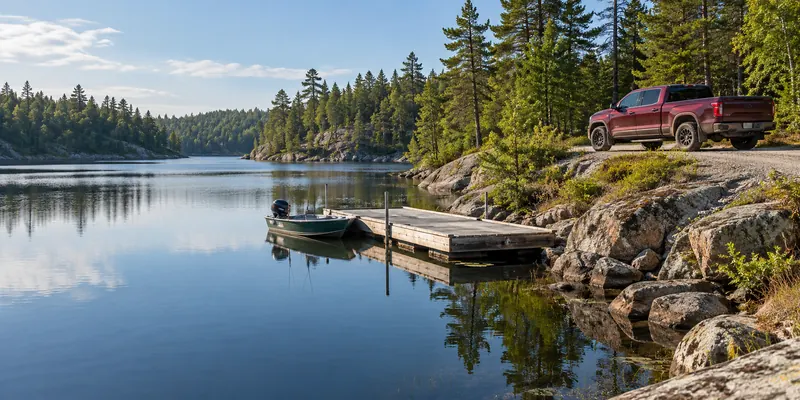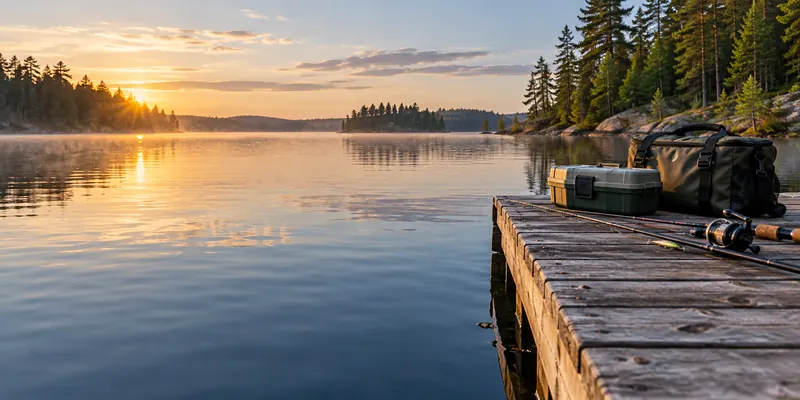
A fishing trip starts taking shape when the map comes out. The distance between two towns matters, but so does the distance between a boat launch and the shore you hope to fish. A cabin beside the right water can save more fishing time than an early departure. A shorter drive can leave room for an afternoon on the dock with the children.
Start with three decisions: who is going, what sort of water suits the group, and how much travelling everyone wants to do. Settle those before buying another rod. Ontario offers road trips, air transfers, boat rides and simple outings close to home. The useful choice is the one that fits your actual week.
Pick the fishing before the address
Choose one main fishing interest and one reasonable second option. A group hoping for walleye might appreciate nearby shore fishing if wind keeps the boat tied up. An angler travelling for trout may want enough time to learn a river rather than change locations every morning. Read the species guides alongside the regional guide. They answer different parts of the same question.
Be clear about experience. First-time anglers need manageable water, straightforward equipment and someone willing to explain the day. Experienced boaters still need local advice on unfamiliar rocks, channels and exposed crossings. Ask about access to the fishing you want, rather than accepting a general promise of good fishing nearby.
Put the route on paper
A drive-in trip gives you room to carry groceries and personal gear, but the final road may take longer than a highway estimate suggests. Confirm the last fuel stop, the arrival window and where to park a trailer. Save directions before leaving reliable reception. A printed page costs little space in the glove box.
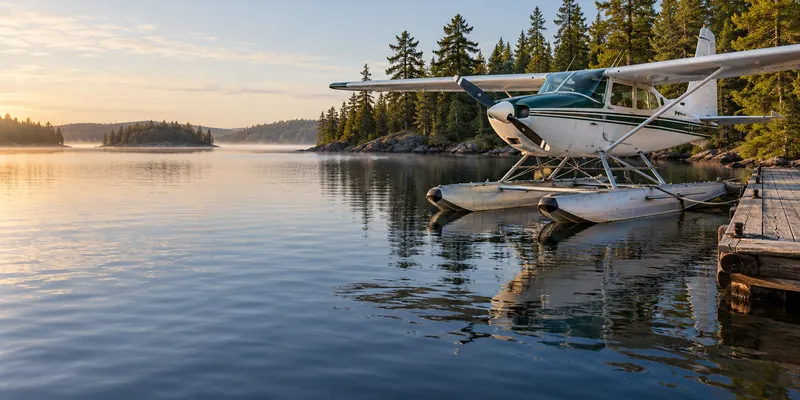
For fly-in fishing, get the baggage allowance and transfer arrangements from the operator. For a boat-in stay, ask about the pickup point, weather delays and how luggage travels. Keep the first evening loose. A rushed arrival rarely improves a fishing day, and a delayed transfer should not upset the whole schedule.
Match the dates to the named water
Read the current licence and regulation guidance before paying a deposit. The species you want must be open on the particular water for your dates. A broad seasonal description is useful for trip ideas; it does not settle the legal question. Check the zone and any named-water exceptions in the Ontario rules.
Then ask about normal access at that time of year, available boats and the hours of nearby services. Early and late trips can mean a quiet shoreline and a shorter list of open shops. A family travelling during school holidays may care more about reliable meals and a comfortable sleeping arrangement than an ambitious daily fishing schedule.
Ask what the quoted price includes
Write down the accommodation cost, transfers, boat arrangements, fuel, groceries, taxes and any guide services you intend to use. Ask whether bedding, kitchen supplies and drinking water are provided. Two prices can look similar while covering quite different stays. Get the cancellation terms and weather-delay arrangements in writing.
For a group, settle shared costs before departure. Decide who buys food, who drives and who handles bookings. Leave some money for an extra tank of fuel or a necessary replacement. This is ordinary trip housekeeping, but it prevents a small expense from becoming the conversation at every meal.
Pack for the day you might actually get
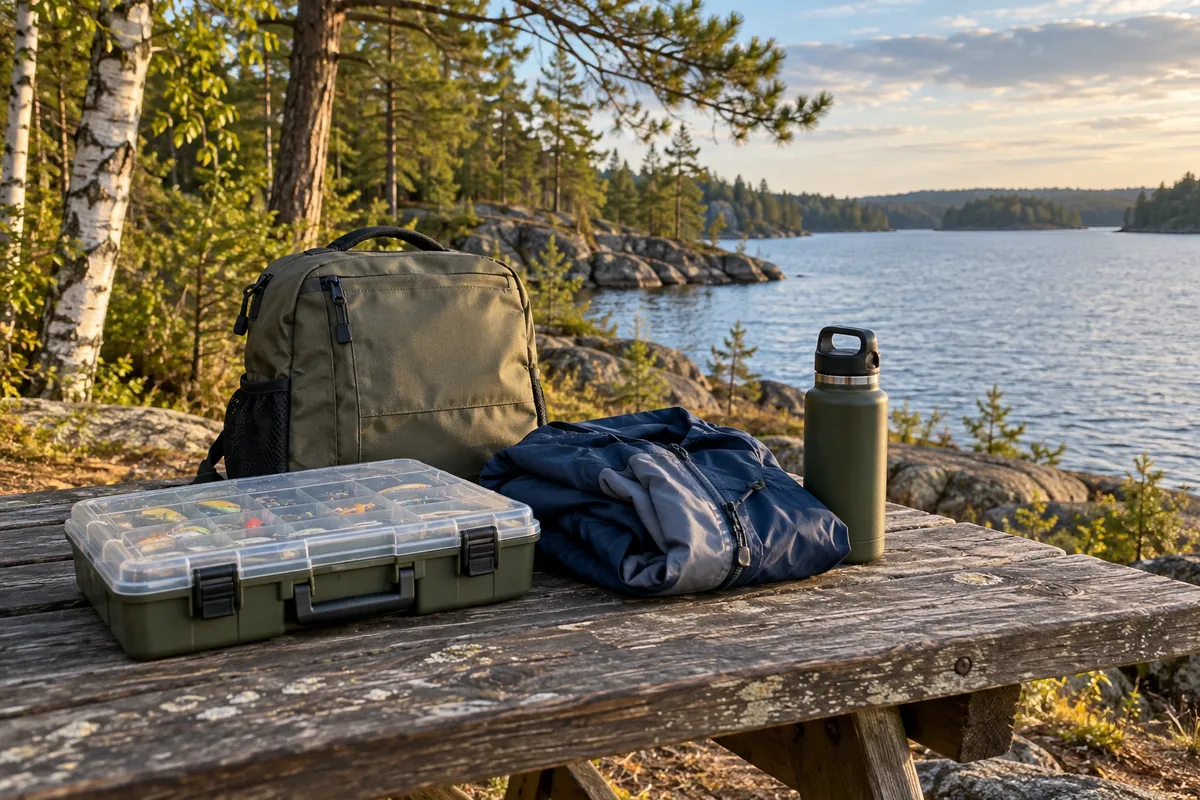
Bring clothing that works when the forecast misses by a few hours: rainwear, a warm layer, a brimmed hat and footwear with a useful grip. Keep needed medication and important documents accessible during transfers. A compact tackle selection matched to the chosen species is easier to use than a heavy box full of unrelated lures.
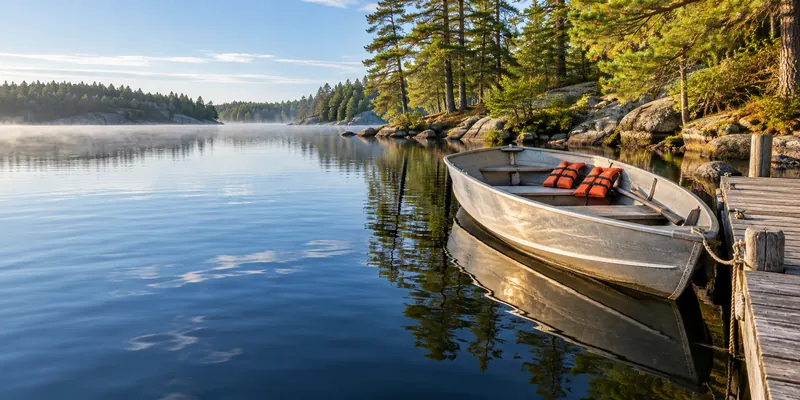
Ask about required boating equipment and properly fitting flotation devices before arrival. Leave a trip plan with someone who will notice if you are overdue. A phone is useful, but reception, battery life and weather can limit it. Choose communications suitable for the actual route and remoteness of the stay.
Give each day some room
A workable fishing day has a meal, a return time and another option if conditions change. Keep one sheltered outing or activity ashore in mind. Shorter sessions often suit children and new anglers better than a dawn-to-dark commitment. Let the group know it is fine to come back early.
Before leaving home, put the booking details, route, licence information and essential contacts together. On arrival, ask the local questions again: where to launch, where to avoid, and what the wind is expected to do. Then take the first outing at an easy pace. There is plenty to learn without turning the opening afternoon into a race.