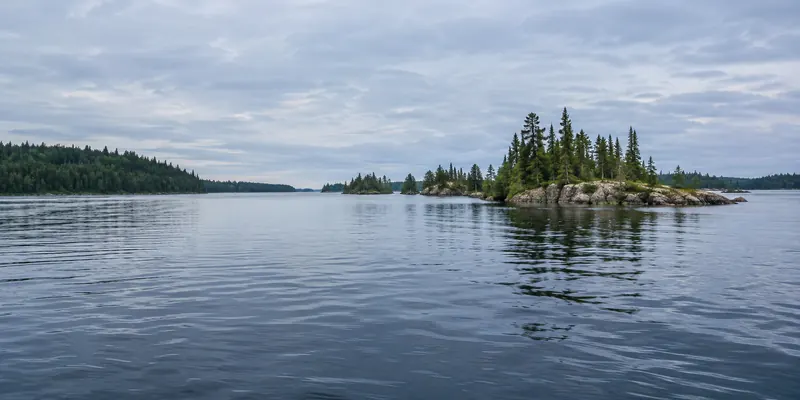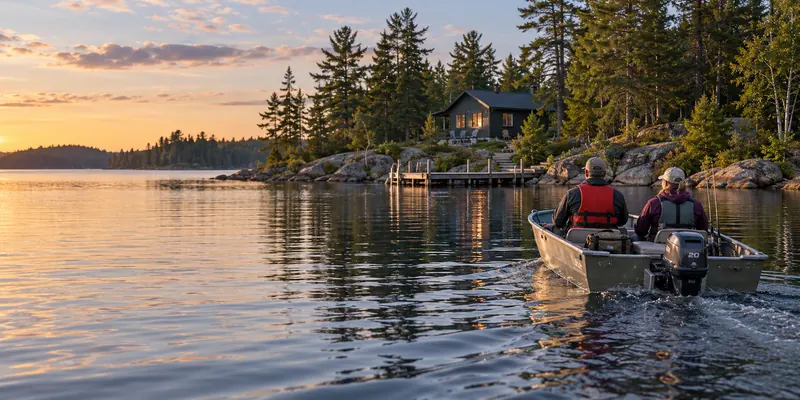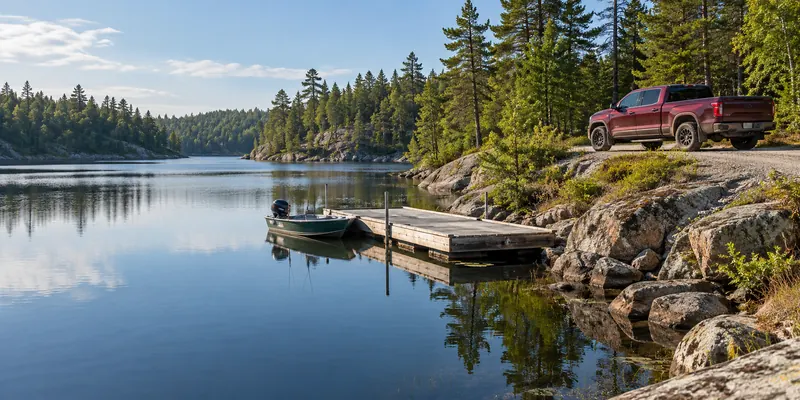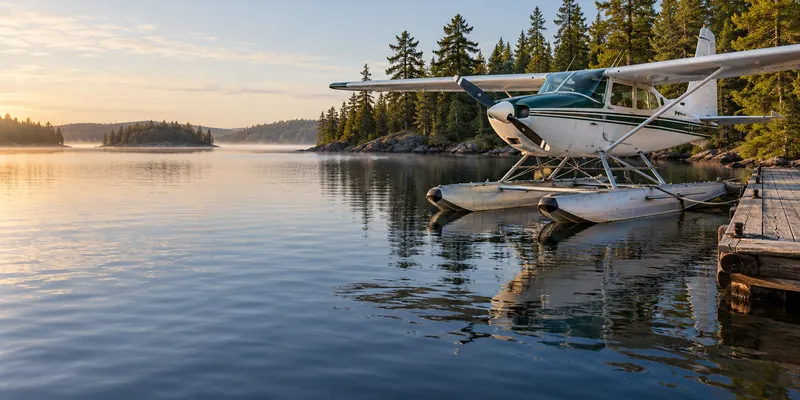
Ontario fly-in fishing replaces the last road with a flight. A dock and cabin come into view where the map showed forest and water, and the week’s supplies arrive with you. That change makes a few questions worth settling early: what the aircraft can carry, what the cabin supplies and how the group will fish once the bags are unloaded.
The flight is part of the trip, with its own meeting point and weather decisions. Keep the travel plan flexible enough to reach the air base on time and cope with a delay. A tidy group packing list does more for a first fly-in holiday than buying a second set of tackle.
Choose the service you want
A housekeeping outpost and a lodge with supplied meals offer different weeks. At an outpost, the group may need to plan food, cooking and daily cabin chores. A fuller-service stay can shift those jobs to the operator. Ask what the particular booking includes instead of relying on a general package name.
Confirm beds, bedding, washing facilities, drinking water, cooking equipment and power arrangements. Ask who is available at the property and how guests contact help. Remote does not describe one standard level of comfort. The details should fit the people coming, including anyone who needs dependable access or a particular sleeping setup.
Find the actual departure point
Get the air-base address, check-in instructions and contact number in writing. The operator’s mailing address may be elsewhere. Ask when the whole party needs to arrive and where vehicles will remain during the trip. Plan the drive to the base as its own travel day if needed.
Confirm the aircraft and transfer arrangements rather than assuming every flight uses the same kind of plane. Learn how the operator will contact you if the schedule changes. Keep a copy of the instructions with the person handling the booking, and share it with every driver in the group.
Weigh the load before leaving home
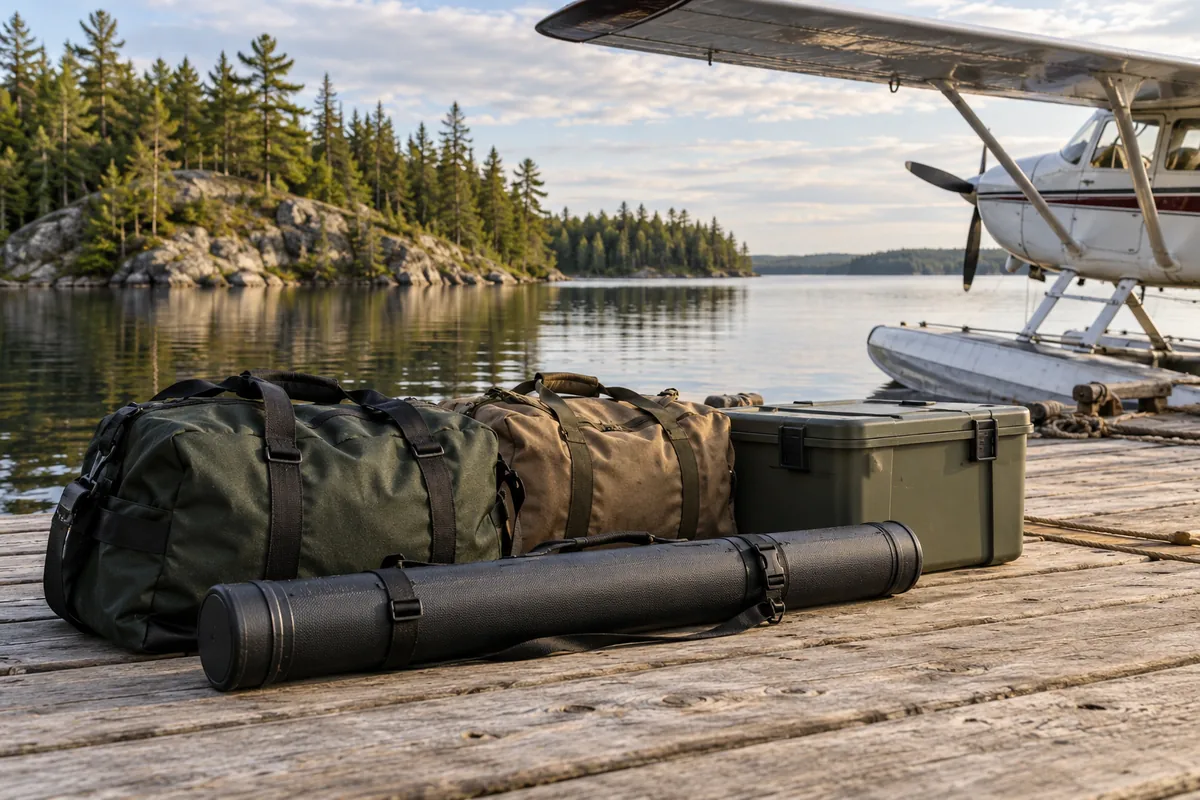
Ask for the current baggage allowance, size restrictions and rules for rod cases, coolers and food bins. Find out whether a stated allowance includes the group’s groceries and what happens if the load is too heavy. Do not copy another camp’s allowance into your own plan.
Use a household scale and a shared list before the final shop. Divide common items among the group instead of bringing four full kitchen kits. Ask how fuel, batteries or other restricted items must be handled. The flight operator decides what can travel; do not arrive expecting an exception for an item bought on the drive.
Buy food for the cabin setup
Match the grocery list to the available refrigerator, freezer and cooking equipment. Plan meals the group already knows how to make. A supper that needs little washing up may be welcome after a wet fishing day. Agree who buys shared supplies and who brings any personal dietary items.
Pack according to the operator’s instructions, keeping loads easy to move. Ask about drinking water, waste disposal and anything the cabin must not be supplied with. Include the simple daily items people tend to forget, such as spare socks, rain clothing and a way to keep personal documents dry.
Confirm the lake and the boats
Read the Northwestern Ontario guide and Northeastern Ontario guide to compare regional settings. Then ask about your exact lake, target species and legal fishing during the booked dates. A flight into one lake does not promise access to neighbouring waters.
Ask how many boats are assigned to the party, how they are equipped and how fuel is supplied. Settle who will operate them and which documents are needed. Learn the daily check-in routine, local hazards and areas the operator wants guests to avoid. Keep the first outing close enough to learn the boat and return route.
Take tackle with a clear job
Choose gear for the confirmed fish and method. The walleye guide and northern pike guide give different starting points. A smaller kit with spare line, useful leaders and working release tools can be easier to manage than several trays packed for every Ontario species.
Ask whether bait, nets or other fishing equipment are supplied and whether outside bait is allowed. Protect rods using the operator’s preferred packing method. Keep a dry layer and rain clothing available after landing. The first cast can wait while everyone learns where the boat equipment belongs.
Give the return flight room
Read the weather-delay and cancellation terms before paying. Ask what happens if the inbound or outbound flight changes, who provides updates and how extra meals or nights are handled. Avoid building the road journey home around an unchangeable departure immediately after the expected landing.
Before leaving the cabin, follow the cleaning, waste and baggage instructions, then account for the whole party and its gear. Check that any retained fish meet the current rules for the water and transport. A fly-in week is easier to enjoy when the bags, the cabin and the flight plan were settled before the engine started.