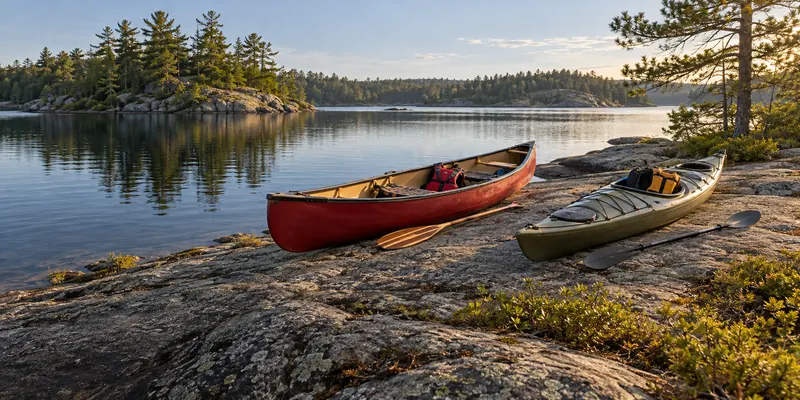
A three-day family fishing getaway needs a place to fish, a place to sleep and enough room in the day for somebody to lose interest in fishing. That last detail belongs in the plan from the beginning. A weekend can hold a dock session, a short boat ride, a picnic and plenty of time together without becoming a schedule nobody wants to follow.
Choose one base and stay there. Repeated packing, driving and check-ins consume the hours a short holiday is meant to free up. The best starting question is simple: how easily can the least experienced person reach the water, use the facilities and take a break?
Before the drive: choose an easy base
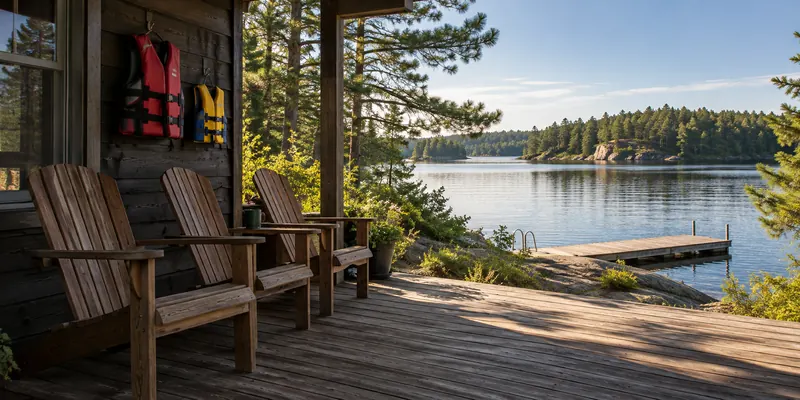
Ask about the actual shoreline and fishing access. A cabin overlooking a lake does not necessarily have a usable dock or a suitable bank for children. Check the walking distance, ground conditions, railings where relevant and whether the fishing area is shared with boat traffic.
Match the sleeping and meal setup to the group. If a late arrival is likely, know how check-in works and take an easy first supper. Ask about rentals, launch access and any booking needed for activities. Details that seem small from home can decide how smoothly the weekend runs.
Read the family fishing guide and use the lodge directory when comparing places. Choose for the people coming, with practical questions about access and comfort. A short trip has little spare time for solving avoidable surprises.
Day one: arrive before trying to do everything
Unload the sleeping gear and food first. Find washrooms, drinking water and the place for wet clothing. Let everyone see where the weekend’s basic needs will be met before a rod comes out of its case.
If daylight, weather and energy permit, make the first fishing session short and close to the base. Keep children within arm’s reach and wearing properly fitted, approved lifejackets or PFDs around the water. One rod in use at a time may be enough while a beginner learns where to stand and how to cast. Put spare hooks away and give each caster clear space.
Show how the reel works and let the learner repeat one manageable task. A clean cast, a float watched patiently or a knot tied with help can be the evening’s success. End while people are still interested, rather than waiting until the youngest person is cold or hungry.
Day two: give the morning one main job
Plan the longest fishing outing for the part of the day that suits the family and local conditions. Eat first, pack water and snacks, and decide the return time before leaving. Keep the destination close enough that returning early is a normal choice.
For a boat outing, check the forecast, the craft’s capacity and the current equipment requirements. Wear properly fitted, approved lifejackets or PFDs. The fishing and boating safety guide points to the official guidance; it does not replace learning to use the actual boat.
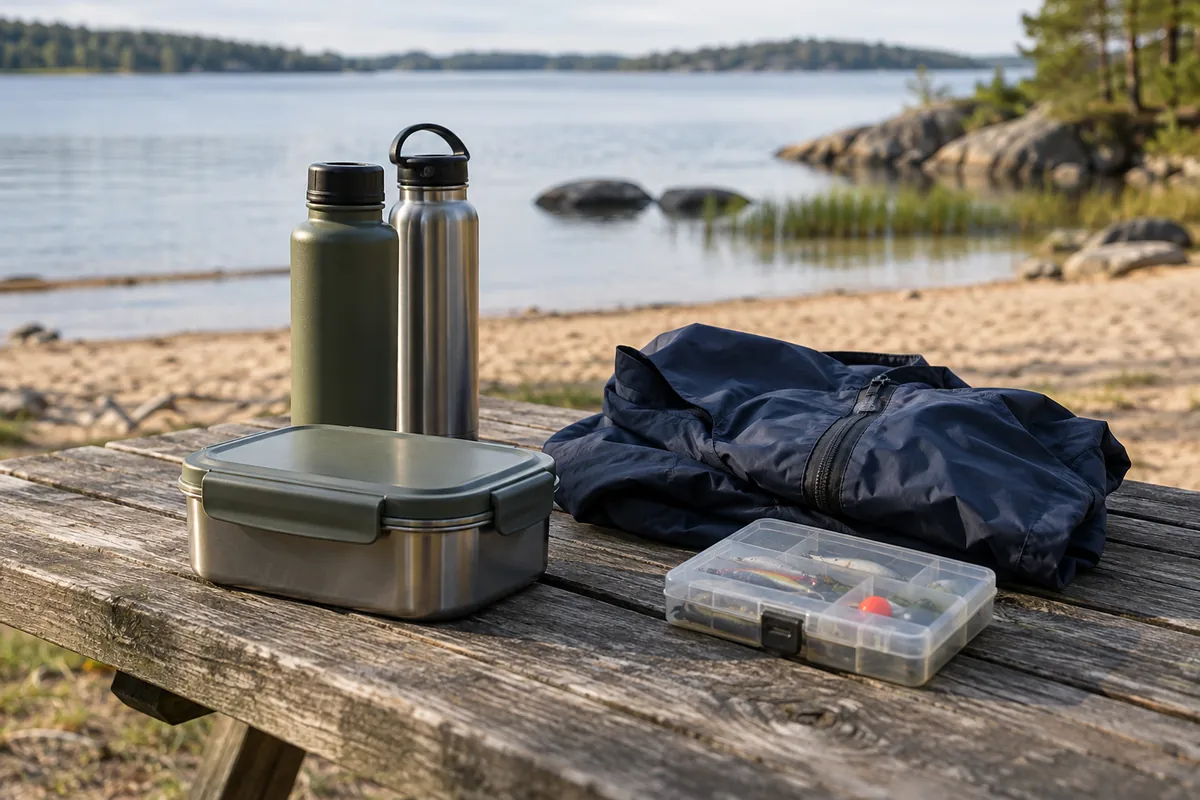
Give a new angler a setup suited to the water and legal target species. The Ontario Learn to Fish guide is a useful starting point for basic tackle. Keep the tackle box small enough that choosing a lure does not consume the morning.
Make lunch the natural stopping point
A planned lunch break gives the outing a clear end, even when the fishing is good. Return to shore, put tackle safely away and check how everyone is feeling. Tired hands and restless passengers are reasons to stop, not reasons to push for one more hour.
Keep the afternoon open for an activity the group already likes. A walk, a board game or time reading on a porch can sit alongside fishing without needing a lengthy backup plan. Check access and current conditions before choosing any trail or swimming area.
If someone wants another fishing session, agree who will go and how the rest of the group will spend that time. The keenest angler should not set every person’s schedule. Sharing the day also gives beginners a chance to come back to fishing by choice.
Day three: leave a little time for the dock
Pack most of the bags before a final short session. Keep only the gear needed for the morning accessible, with the rest ready for the drive. Confirm checkout and boat-return times so a pleasant last cast does not become a hurried departure.
Revisit a place the group already knows. A beginner may enjoy doing yesterday’s task with less help. Keep the session modest and stop at the agreed time. The trip does not need a final fish to make the morning worthwhile.
Check the shore and dock for line, hooks and dropped packaging. Clean and drain gear before taking it to another water, following current provincial guidance. Count borrowed or rented equipment before returning it, and leave time to report any problem to the owner.
Keep the rules separate from the family timetable
Check Ontario’s current fishing regulations for licences, the specific water and the species you intend to target. Age and residence can affect licence needs; family travel does not remove the duty to check the rules for each participant.
If a fish is kept, know the applicable limits, sizes and transport rules first. If it is released, have the tools and help ready so handling stays brief. Teach that routine as part of fishing, along with casting and taking care of tackle.
On the drive home, ask what each person would choose again. The answers may concern a dock, a breakfast or an afternoon off the water. Those are useful notes for the next weekend, and better planning clues than the number of fish caught.