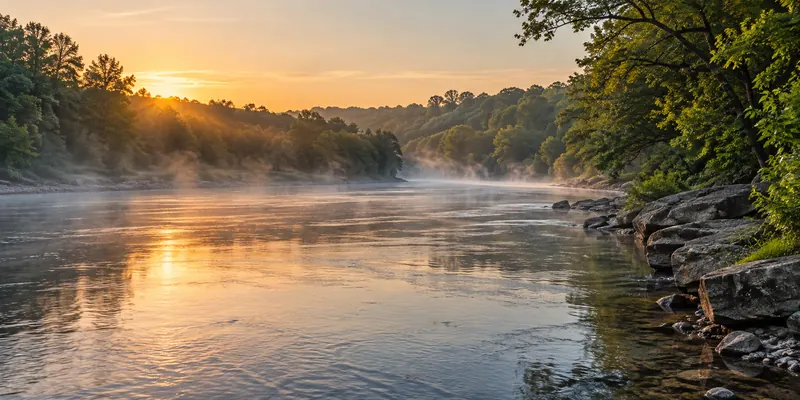
Southern Ontario fishing can begin with a rod in the car rather than a week booked at a lodge. Rivers cross farm country and cities, harbours open onto the Great Lakes, and public waterfronts can put an evening’s fishing within reach of home. For visitors, the region also makes room for guided days and fishing trips fitted around a shorter holiday.
The key is to choose the outing before choosing the tackle. A river walk, a harbour wall and a boat trip on open Lake Ontario are close on a road map, but they ask for different plans once you reach the water.
Great Lakes: decide how you want to reach them
Lakes Ontario, Erie and Huron give southern anglers a large stretch of shoreline and several kinds of fishing. Lake Ontario has established salmon and trout charter fishing; Erie is a familiar name for walleye and perch trips. Those broad labels help narrow the search, but the port, timing and chosen service still decide what your day will involve.
For a first boat outing on a Great Lake, talk to the guide or charter about the target fish, meeting place, supplied gear and weather policy. Ask how long you will be on the water and whether the trip suits everyone in the group. Do not assume your own small-lake equipment is the right answer for every open-water day.
River country: start with a stretch you can use
The Grand River, Niagara River and the region’s smaller waterways give river anglers different choices to investigate. Public descriptions can help you identify a town or reach, but access still needs a check. A river may pass beside private land, through a park with its own rules or along banks that are not suitable for the outing you have in mind.
Look at the flow, the bank and the return route before fishing. Choose a reachable stretch and keep the day within your experience. A place that is comfortable from shore may not be a place to wade, and a river seen in low summer water can be quite different after rain. Ask locally when the conditions are uncertain.
A shore day can be a proper fishing trip
There is nothing second-rate about fishing from shore. A light load, a safe place to stand and a few hours without launching a boat can make a very good day. Choose a place where you have enough room to cast without putting other people in the way. Walk the area first and think about how you will land and release a fish.
Carry less tackle than you would in a boat, but keep the useful items within reach. A landing net, pliers and something to deal with tangled line are worth considering. Leave the bank clean and keep discarded line out of the water and vegetation. The next person should find the spot as usable as you did.
City fishing: check the waterfront rules
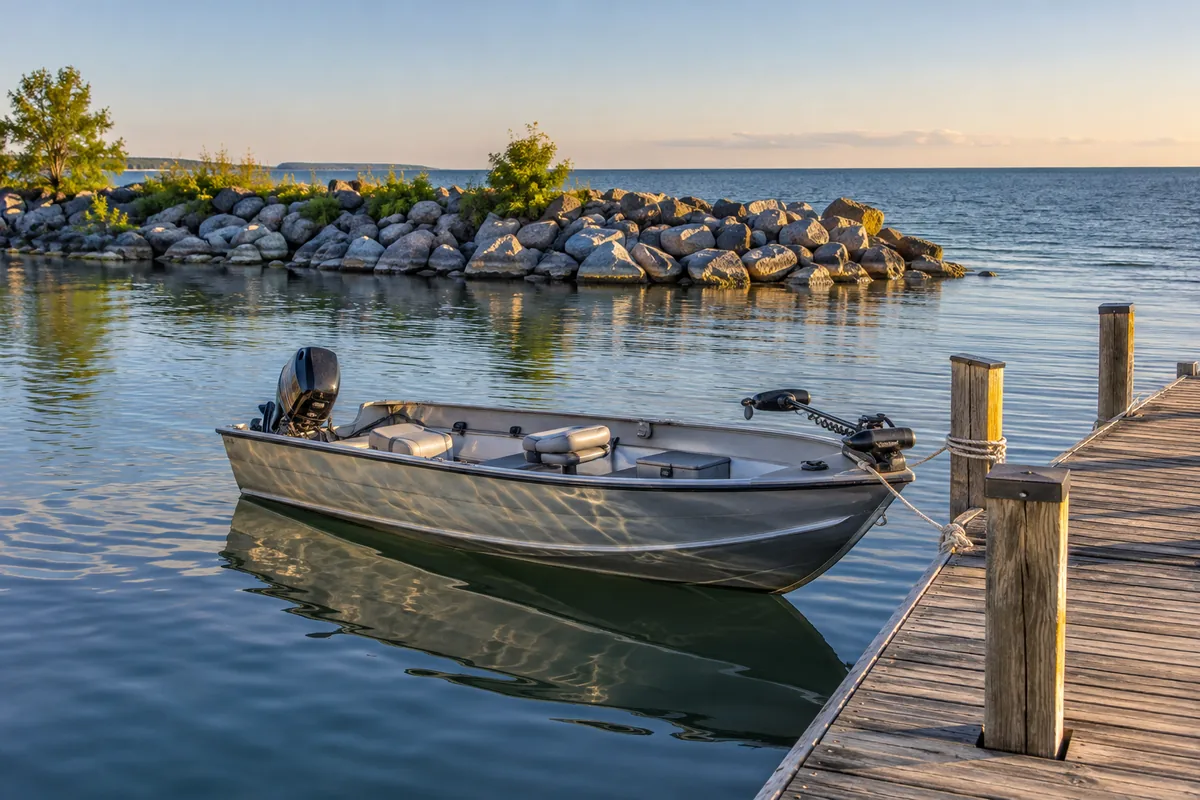
Toronto, Hamilton, Windsor and other southern communities have waterfronts that invite a closer look. Public parks, harbours and river corridors can offer fishing close to food, transit and accommodation. A visitor with only part of a day free may find that a carefully chosen urban outing fits better than a long drive to an unfamiliar lake.
Check whether fishing is allowed at the selected site, how to reach it and where you can park. Busy paths, swimmers and boat traffic may limit the spots that work. A broad public shoreline is not one continuous fishing platform. Make room for other users and choose the part of it that suits a rod.
A guide can make a short visit work harder
If you have one free morning, local knowledge can be more useful than another hour spent collecting tackle. Ask a guide what kind of outing matches your time and experience. Be clear about whether you want a boat trip, shore instruction, fly fishing or an outing with children.
Get the equipment and meeting details before the day. Confirm what you should bring, whether gear is included and how weather changes are handled. Discuss mobility needs and the ages of younger anglers while arranging the trip. A clear conversation about the people coming is as useful as the conversation about the fish.
Work around the weather, not against it
Southern water is still real water. Wind can make a harbour or lake shore uncomfortable, and rain can change a river. Keep another option in mind before heading out, including ending the outing early. Familiar roads and a nearby town do not remove the need to watch conditions at the fishing spot.
On hot days, plan drinking water, shade and time away from the strongest sun. Carry a dry layer when the day begins cool. For a boat trip, follow the operator’s instructions and arrive with the items requested. A comfortable angler is more likely to enjoy the whole outing, even when the fishing is slow.
Keep a useful record of the day
Write down the access you used, the conditions and the gear that was worth carrying. A few notes can make the next local outing easier without turning it into a project. Keep the record about your own fishing and the public details you checked. Respect a guide’s requests about the places shown during a booked trip.
Use the current Ontario fishing rules for the selected water, with urban fishing resources as a starting point for city outings. For a longer cottage stay, read Central Ontario. For a weekend built around rivers and inland lakes, compare Eastern Ontario.