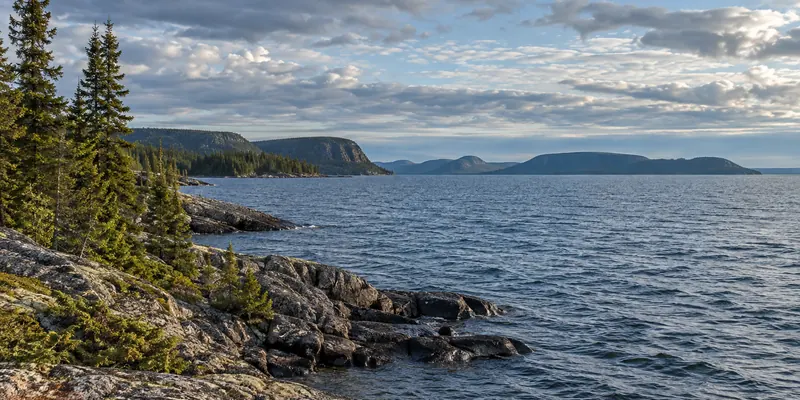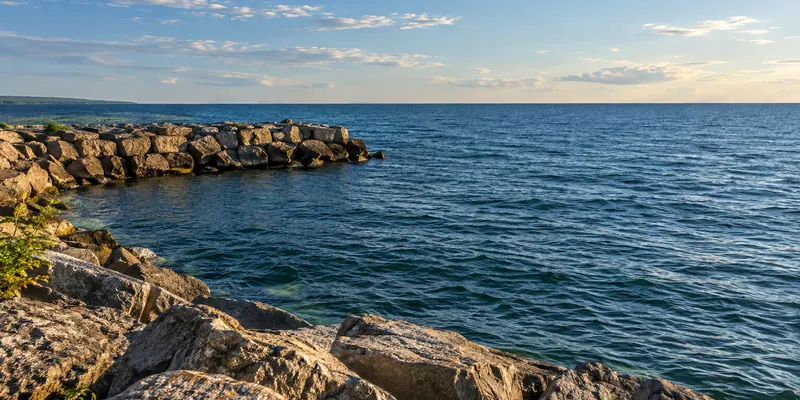
Ontario has shore on four Great Lakes: Superior, Huron, Erie and Ontario. Treating them as one fishing destination misses most of what matters. A salmon charter off Lake Ontario, a perch day on Erie and a trout outing along Superior’s north shore call for different ports, boats and expectations.
Start with a fish and a piece of shoreline. Then choose how to reach the water: a charter, your own suitable boat or a public shore location. The name of the lake is the beginning of the plan. The harbour, the daily weather and the water you can safely fish are what make it a real trip.
Lake Ontario: choose a port and a target
Salmon and trout give Lake Ontario much of its angling identity. A charter can put a visitor on that fishery without buying offshore trolling equipment or learning a new harbour on the morning of departure. Discuss the main target, the usual trip length and the tackle supplied before booking.
Ask about the boarding point and parking, not just the nearest town. Tell the captain who is coming and what experience they have. Shore fishing offers another kind of day, but access to a waterfront does not automatically mean access to every pier or harbour wall. Check the rules of the place you intend to stand.
Lake Erie: walleye and perch
Walleye and yellow perch are good starting targets when choosing an Erie trip. The boat plan may be quite different for each. Ask a charter operator which fish they expect to pursue during your dates and what sort of fishing your group will be doing. A trolling day and a stationary perch outing have different rhythms.
For a first visit, let the target help choose the port rather than booking accommodation at random along the shore. Confirm fish-handling arrangements if keeping a legal catch matters to you. Bring a suitable cooler and decide how the fish will travel home before they reach the dock. Leave room for weather to alter the itinerary.
Lake Huron: several kinds of trip
Huron includes broad open-lake shores as well as Georgian Bay and the North Channel. Salmon and trout fishing belongs in the conversation, but an island-based casting trip may lead to a different species list. Be clear about the water behind a booking described only as a Lake Huron fishing holiday.
Decide how much open water you want in the day. A guide working a particular bay may offer a very different outing from an offshore charter. The boat and route should suit the anglers aboard. Our Algoma and North Shore guide is a useful next read if the northern shore is the part of Huron that interests you.
Lake Superior: cold water, chosen carefully
Trout and salmon are central to Superior fishing. Destination Ontario also notes pike, bass and walleye in parts of the lake, which is a reminder to ask about the actual bay rather than assuming one fishery follows the whole shore. Thunder Bay and communities along the north shore give different places to begin.
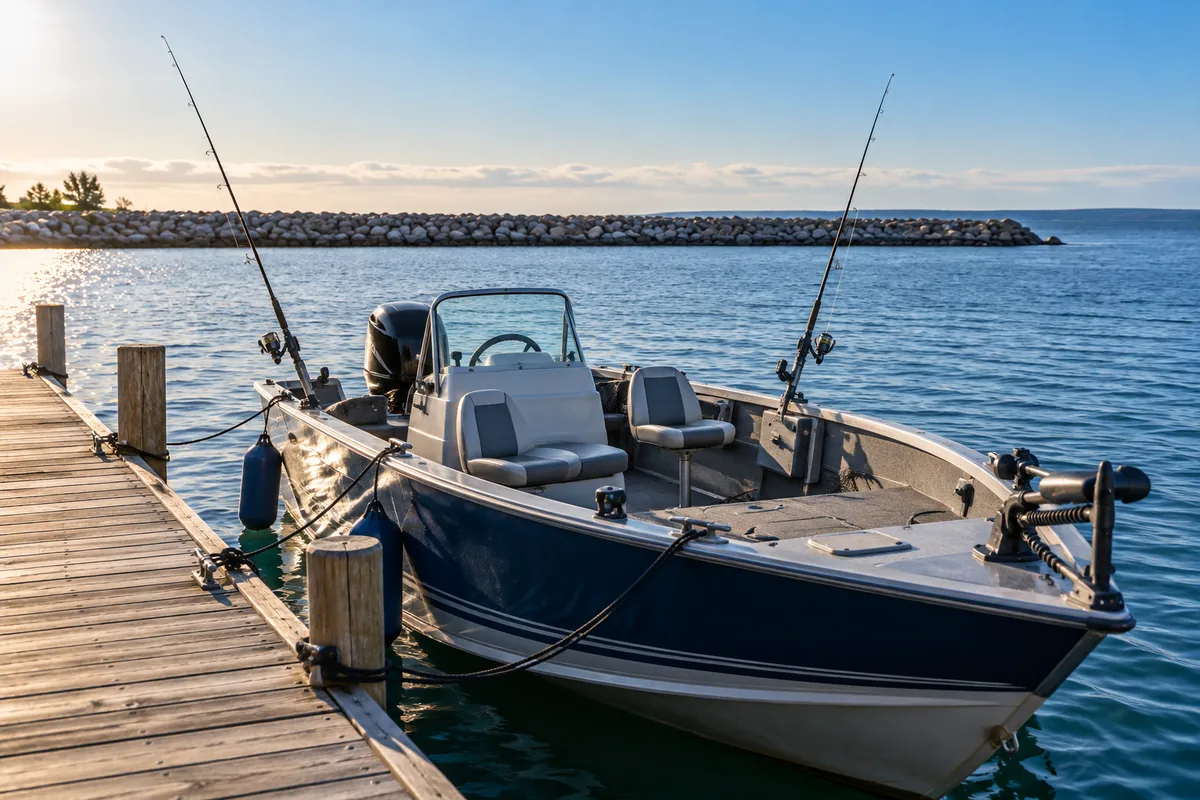
The cold lake and exposed distances deserve respect. Ask a local operator how far the intended route goes, what boat is used and how the forecast affects departure. A protected inlet can be a useful alternative, but it still needs its own weather and access check. Do not use a sheltered photograph as evidence that a whole section of Superior suits a small boat.
Make a charter booking useful
A clear booking conversation should cover the target fish, start time, landing address, supplied tackle, clothing, food, group size and cancellation terms. Ask how the captain handles a weather change and whether another date is possible. Those details are easier to settle at home than in a parking lot before sunrise.
Tell the operator if someone in the group is prone to seasickness or needs help boarding. Ask about a shorter trip if you are uncertain about a full day. Fishing with children may work better when the outing leaves them wanting another hour, rather than wishing the harbour were already in sight.
A shore day is a different plan
Shore fishing can make the Great Lakes part of a town visit or an afternoon away from home. Choose a legal public location with safe footing and enough room for casting. Parks, beaches and harbours have their own access rules; check them, and keep fishing clear of swimmers and boat traffic.
Weather still matters when your feet stay on land. Spray, wet rock and changing water levels can turn an exposed edge into a poor place to stand. Bring tackle you can manage without climbing down a breakwall after it. Keep a net or other suitable landing plan ready, and leave if the conditions no longer suit the spot.
Read the right rules before leaving
Use Ontario’s current fishing summary for the lake, bay or tributary you intend to fish. A river flowing into a Great Lake may have rules that differ from the open lake. Named-water exceptions and sanctuary notices deserve a separate look. Do not carry a rule from one lake over to another.
Stay within the jurisdiction covered by your plan, and confirm any crossing requirements with the responsible agencies if travelling into other waters. For more choices, use Where to Fish in Ontario. Pick one Great Lake, one shore and one purpose for the first trip. There is enough water there without turning the week into a tour of four distant launches.