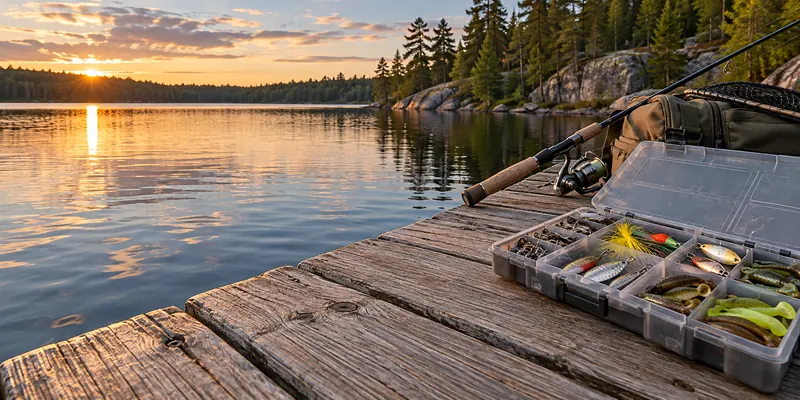
A tackle box can carry more decisions than an angler needs for a day. There are spoons bought for a northern trip, trout flies tucked into a corner and a handful of jig heads that still need matching tails. Sort the day's kit around the fish and water you have chosen. Leave room to find what you need without emptying the whole box into the boat.
Start with a rod and reel you can use comfortably, sound line and a few methods you understand. Then add the tools needed to land and release the likely fish. Equipment earns its place when it solves an actual problem on the trip. Price and a long list of features do not answer that question by themselves.
Match the outfit to the job
Choose rod power, line and lure weight together. A small panfish outfit and a heavy pike outfit have different jobs. Read the species guides, then ask practical questions about the size of lures, likely fish and fishing method. If you are borrowing gear, test the reel and drag before leaving home.
Inspect line, knots and guides. Look for wear where the line rubs, and replace damaged sections. Pack a small number of spares that fit the outfit you are using. A second working rod can save an outing; three unsuitable rods simply take up more space. Put cutters and pliers where they are easy to reach.
Give a jig a clear task
A jig is useful when you want to fish close to a chosen depth or bottom feature. Select enough weight to manage the line in the conditions without treating the heaviest head as the automatic choice. Pay attention to what the lure is doing. If it is constantly snagging, change the angle, speed or location rather than repeating the same loss.
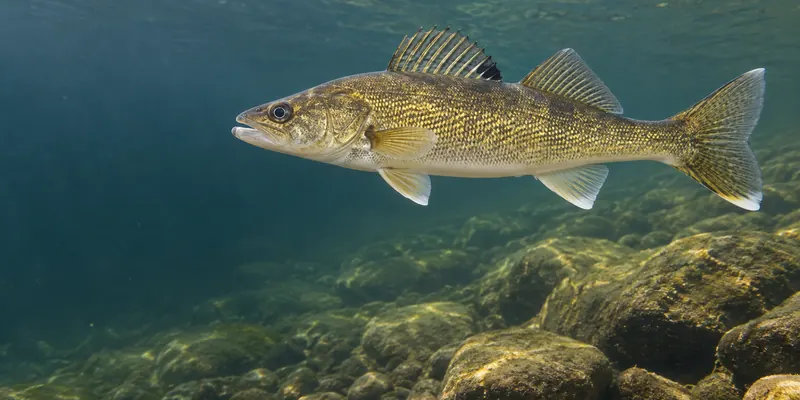
For walleye, the purpose of an adjustment should be clear: staying near the part of the water you intend to fish, keeping a manageable line angle or presenting a smaller offering. Change one thing at a time. A useful note about depth and retrieve tells you more than a pocket full of randomly swapped colours.
Cast with room and repeatable control
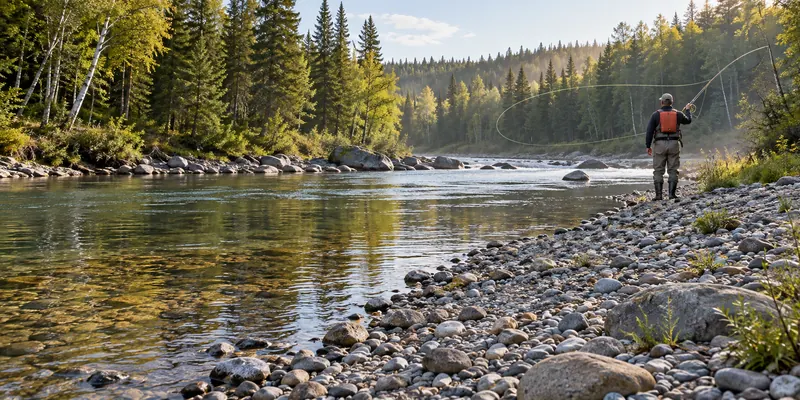
Casting a spoon, spinner or suitable hard lure lets you cover a shoreline or weed edge without moving the boat over every part of it. Make the cast within your ability to place and retrieve the lure. Check behind you for people, branches and equipment before swinging a rod. Give another angler room to fish safely.
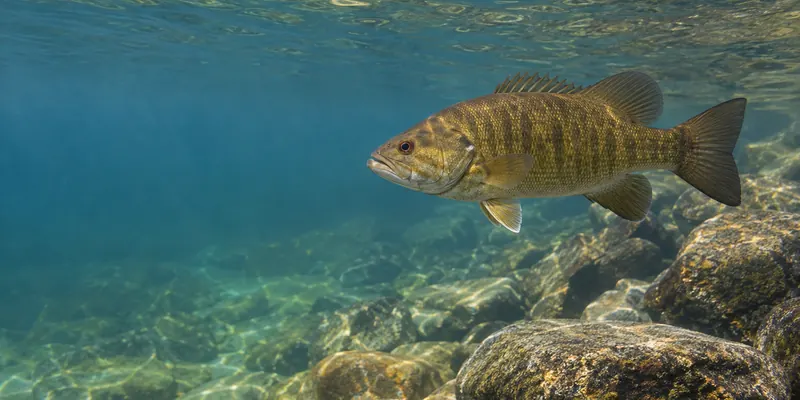
Count a lure down only where you understand the depth and snag risk. Change retrieve speed for a specific reason, such as keeping the lure above cover. Watch what happens during the retrieve. For bass or pike, a method you can repeat is more useful than frantic changes after every empty cast.
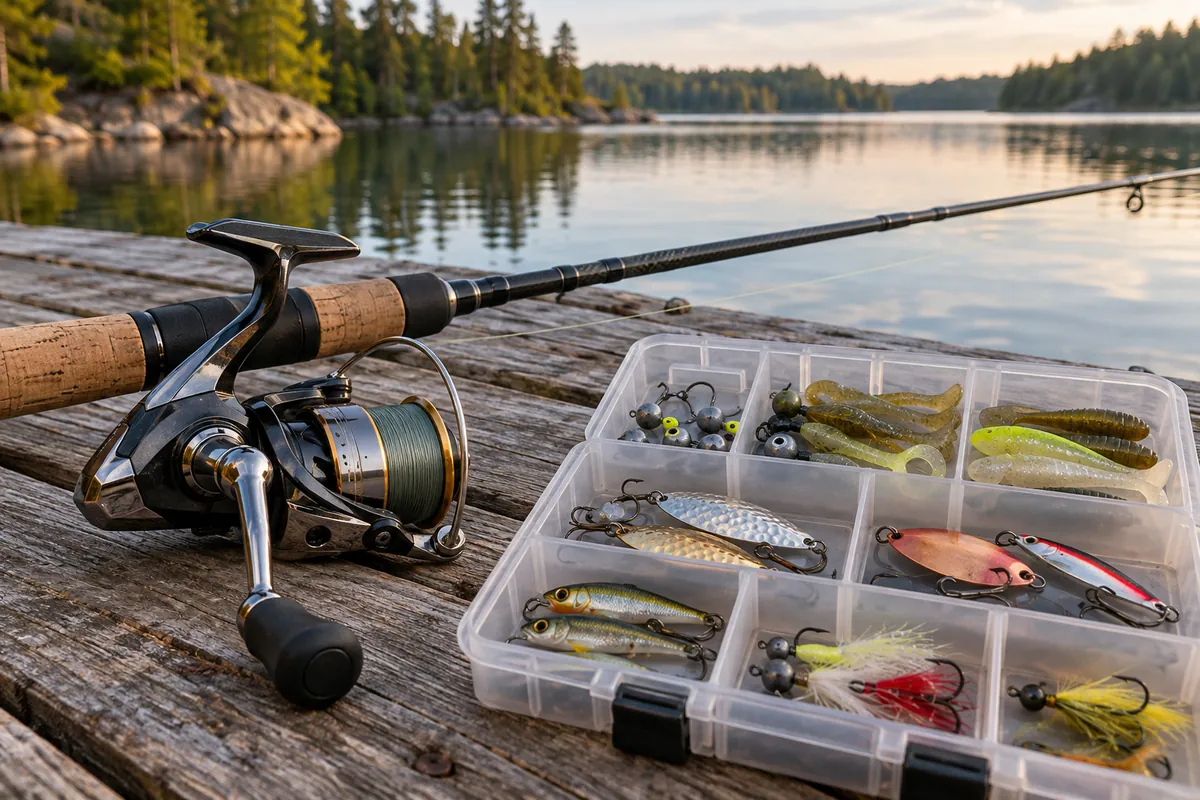
Use a float where it suits the water
A float can make a bite easier to see and help keep a small offering at a chosen depth. It is a sensible approach for many beginner outings when permitted. Match the float to the weight below it so the rig behaves properly. Practise a controlled cast with enough room for the tackle to travel without tangling.
Set up away from the edge, then check the rig in nearby water. Keep spare hooks and weights in a closed container. If children are fishing, give them a clear casting space and hands-on help with sharp tackle. A short, comfortable shore session is a good setting for learning how the equipment works.
Troll only with a workable boat plan
Trolling needs attention to boat operation as well as the lines. Decide who is running the boat and keep the helm work clear. Plan a route you can follow safely without staring at the rod tips. On unfamiliar water, navigation and changing weather deserve more attention than getting one more lure into the spread.
Avoid crowding the boat with loose gear. Have a plan for bringing lines in when a fish is hooked or another vessel approaches. Choose lure depth and speed for the fishing you intend to do, within the rules for that water. The boating-safety guide belongs beside any discussion of fishing from a moving boat.
Keep the kit legal and useful
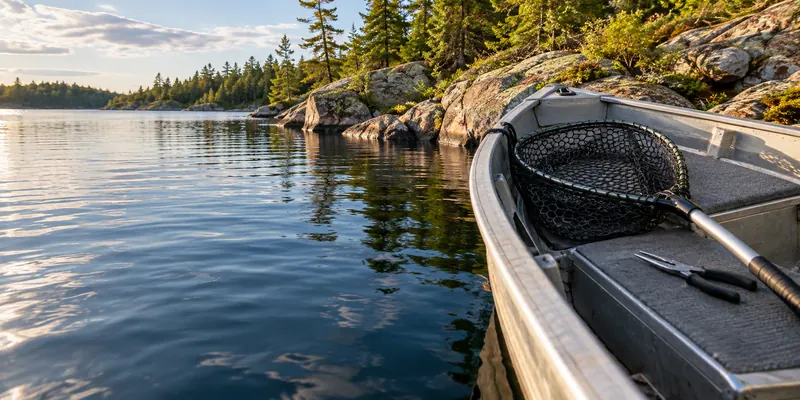
Check bait, hook and method restrictions in the current Ontario rules. Prepare a suitable landing net, release tools and a simple way to measure a fish when needed. Carry out discarded line and damaged tackle. Before the next outing, dry the equipment, replace what was used and keep a short note of what earned its place in the box.