Safety decisions usually arrive before the fishing does. They begin with the route, the boat, the people aboard and the forecast. A comfortable plan gives the group time to return without hurrying and leaves someone ashore who knows when to expect them. It also gives every person permission to say that the day is getting too rough.
Treat this guide as a way to organize the outing. Read the current Transport Canada requirements for your vessel and operation, and get hands-on instruction where it is needed. The right equipment and a sound route belong together. Neither one excuses pushing farther than the group's skills or conditions allow.
Wear flotation that fits the person
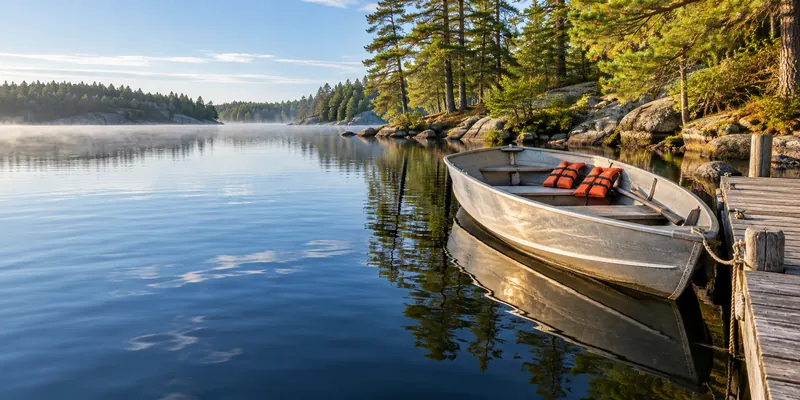
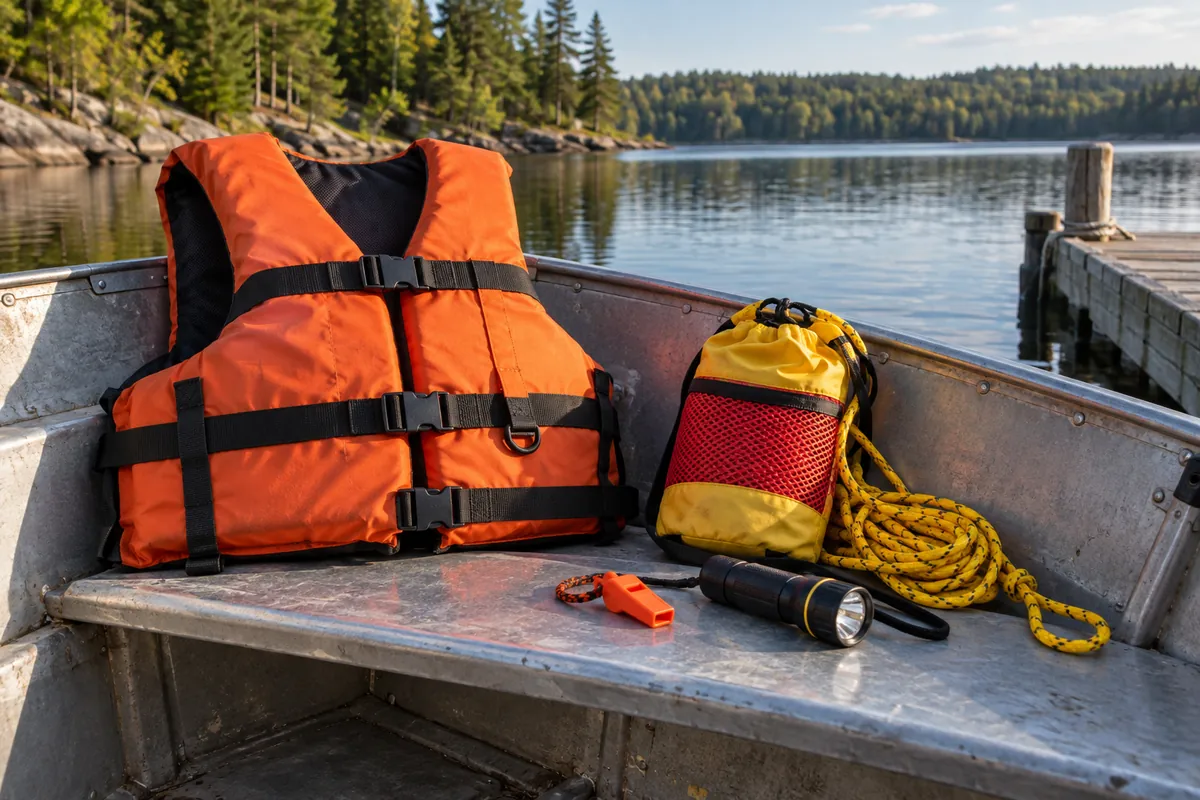
Wear an appropriate lifejacket or personal flotation device on or near the water. Check fit, condition and the instructions for the device you are using. Try it before departure with the clothing you expect to wear. An awkward fit is easier to fix at the dock than after a fall.
For children, choose equipment suited to their size and keep them within reach near the water. Follow Transport Canada's guidance on flotation devices, including restrictions on particular types. Cold water deserves attention on a warm day too. A bright afternoon says little about how forgiving the lake will be after an unexpected immersion.
Check the actual boat before leaving
Read the equipment tables and notes in the current Safe Boating Guide. Requirements depend on the boat and its use. A short list of items in a magazine guide is not a complete legal checklist. Check required equipment, working condition and access to it before taking the boat out.
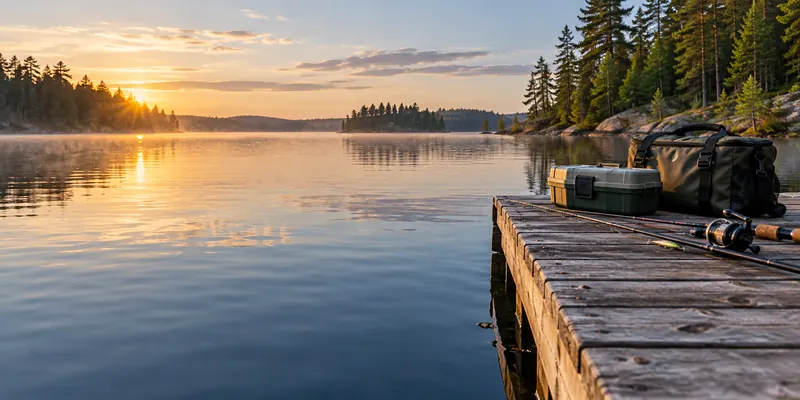
Have the necessary operator documents and learn the controls of a rented or borrowed boat. Ask the provider to explain the engine, fuel arrangements and emergency procedures. Let everyone aboard know where essential equipment is kept. Keep the floor clear enough to move without stepping over a pile of rods and loose tackle.
Leave a plan someone can act on
Give a responsible person the route, the people travelling, the vessel details and your expected return. Agree what they should do if you are overdue. Update them when the plan changes and tell them when you are back. The official trip-plan guidance explains the information to leave ashore.
Choose communications that suit the route and available reception. Charge the equipment and protect it from water. Know how you will call for help before starting. On a remote outing, ask what the operator recommends and what coverage actually exists. A phone showing a map at the cabin does not prove it will make a call at the far end of the lake.
Make the route fit the weather
Check the current forecast and conditions at departure, then keep watching them. Know which crossings are exposed and where you can return safely. Allow room in the plan for a slower journey. Do not rely on being able to run home quickly after the lake has become uncomfortable.
An earlier return can be the sensible choice even when fish are still biting. Tell the group in advance what would make you stop, such as worsening wind, poor visibility or a developing storm. Keep boating sober and give the operator a clear job. Fishing excitement should not compete with attention to traffic, navigation and weather.
Keep shore and river outings within reach
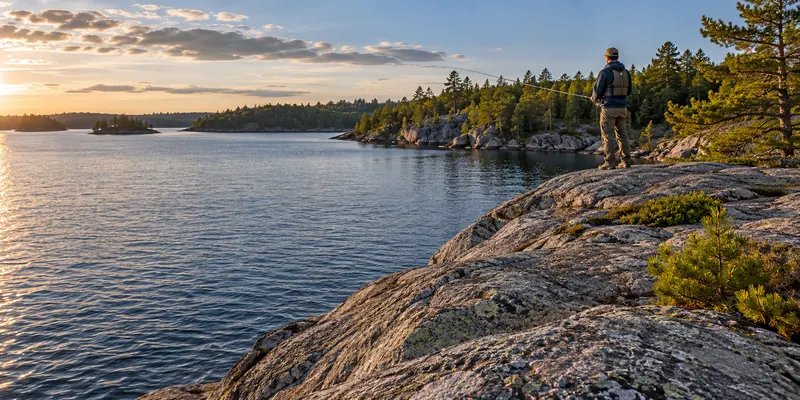
On a shore-fishing trip, inspect the bank and keep away from unstable edges, slippery rock and dangerous current. Set up tackle where people have room to cast. Children need close supervision, and hooks need a clear path. Choose legal access that the whole group can manage on the way in and out.
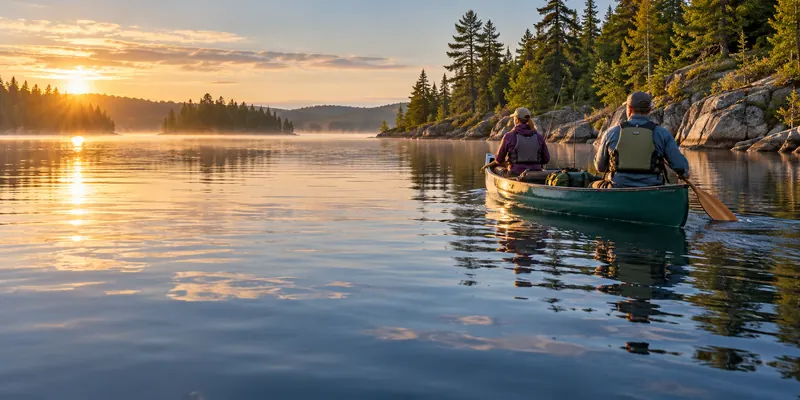
For canoe and kayak fishing, plan around paddling ability as well as fishing ability. Stow gear securely and keep it from interfering with boat control. A quiet launch does not describe the whole route. Ask about wind, current, landing options and any hazards farther along before setting out.
Winter needs its own local assessment
Ice fishing requires current, route-specific advice and equipment suited to the outing. Snow, tracks or another party on the lake do not establish safe travel. Ice conditions vary across the water and can change quickly. Postpone when the route is uncertain rather than treating a general number as permission to cross.
Before any outing, settle the return time, practical limits and communications. Afterward, review what the group learned while the details are fresh. Replace used supplies and repair damaged equipment before the next departure. A fishing day ends properly when everyone is back and the person holding the trip plan knows it.