The lake name written on your trip notes deserves a place beside your licence. Ontario fishing rules depend on who is fishing, which species is being sought and the water where the line goes in. A licence purchase answers part of that. The current regulations answer the rest.
Do the checking before the tackle is packed. It is easier to choose another legal target at home than to learn at the launch that the fish you came for is closed. Keep the official rules handy, and revisit them when your route changes. A neighbouring lake may have a different exception even when the scenery looks much the same.
Start with the right licence category
Ontario publishes separate guidance for Ontario and other Canadian residents and people visiting from outside Canada. Read the category that applies to you. Age, residency and other exemptions affect the documents required; do not assume a travelling companion's arrangement covers your own situation.
Where required, the Outdoors Card and fishing licence work together. Some licence options have different card requirements. Use the current official pages to choose the correct combination, rather than buying by memory. If you are arranging a family trip, check the rules for each child and adult before the group reaches the water.
Choose Sport or Conservation with care
Sport and Conservation fishing licences have different catch and possession allowances. The relevant figures appear in the current rules for the species and water. Pick the licence suited to your plans, and understand what it permits. Neither category removes seasons, size restrictions or other water-specific rules.
Buying a Sport licence does not require you to keep fish. Buying a Conservation licence does not make every fish legal to retain. A group planning a meal should read the actual allowance together, including any size restrictions. Make that decision before fishing so nobody has to sort out an uncertain catch at the cleaning table.
Read the zone, then the exceptions
Use the Ontario Fishing Regulations Summary to locate the Fisheries Management Zone for your water. Read the species entries, then check named-water and species exceptions. Boundaries and place names matter. A river system or large lake can need more careful reading than a quick glance at a regional map.
Write down the correct name, the section you checked and the species you intend to fish. If a rule is unclear, get an answer from the responsible Ontario office before making the cast. A local fishing conversation can help you find the right section, but a confident opinion at the dock does not replace the official rules.
Separate open seasons from keeping fish
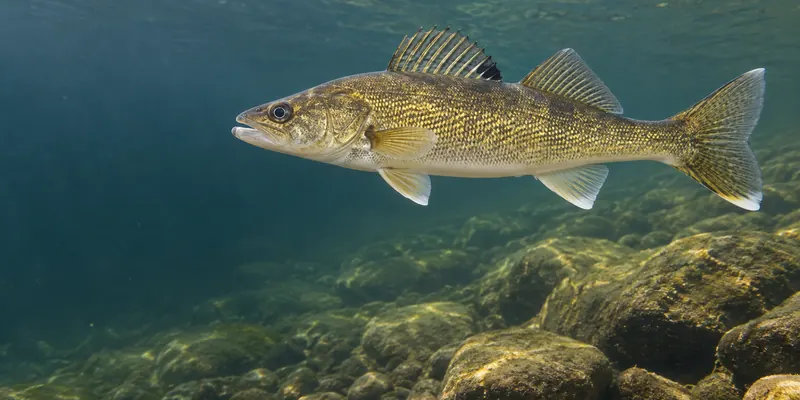
A closed season is not an invitation to fish for that species and release it. Ontario's general rules prohibit targeting a species during its closed season, even when you intend to let every fish go. Choose an open species and fish in a way suited to that target.
An open season with no retention allowed is a different situation. Check the wording for that water. Fish you may not legally keep must go back as the rules require. Before a mixed-species outing, learn to identify likely catches and have release tools ready. If you are unsure of an identification or legal size, avoid guessing in favour of keeping it.
Check bait and equipment rules too
The species table is only part of the reading. Review the general rules, permitted methods and any local tackle restrictions. Bait has its own requirements, including rules tied to where it is obtained and moved. Check Ontario's bait guidance before purchasing or carrying live bait across your route.
Do not move leftover bait to another lake on the assumption that it will be useful tomorrow. Plan its purchase around the named water and current requirements. If you switch locations, check again. Keep any required purchase records and ask the supplier practical questions while you are still at the counter.
Keep the documents usable on the trip
Buy through the official Ontario Fish and Wildlife Licensing Service or another authorized option listed by the province. Confirm that your card and licence information are valid for the trip. Store the licence summary in a permitted format that remains accessible when mobile reception is poor.
Before departure, put the current rules, licence details and booking notes together. Recheck them if dates, destinations or species change. The aim is a simple habit: know the water, know the target and know what you may do before the first cast. The trip-planning guide helps put those checks alongside the rest of the journey.