Most fishing-trip questions are ordinary ones. Which licence applies? Can the children fish from shore? What needs booking before the car is packed? A clear answer to these questions can save time that would otherwise be spent sorting details at the launch.
Use these answers as a starting point, then read the linked guide for the part of the trip you are arranging. Current legal rules belong to the official Ontario and Transport Canada sources. The lake name, dates and people travelling determine what needs checking. Keep those details beside you while making the plan.
The licence answer first.
- Canadian resident age rule
- Under 18 or 65 and older: no purchased card or licence, with the required Canadian government ID. Sport limits apply.
Source ↗ - One-day option
- A one-day Sport licence needs no Outdoors Card; use the selected calendar date.
Source ↗
Checked October 13, 2026. Use current official guidance, the named-water rules and the conditions for your travel dates.
Do I need an Ontario fishing licence?
Ontario and other Canadian residents under 18 or aged 65 and older do not need to buy an Outdoors Card or licence. Carry Canadian government ID showing your name and birth date; Sport limits apply. Most residents aged 18–64 need a card and licence, unless using the one-day Sport option or another exemption. Non-Canadian visitors have different rules. The licence guide gives the cases and 2026 fees.
Where should a first-time angler go?
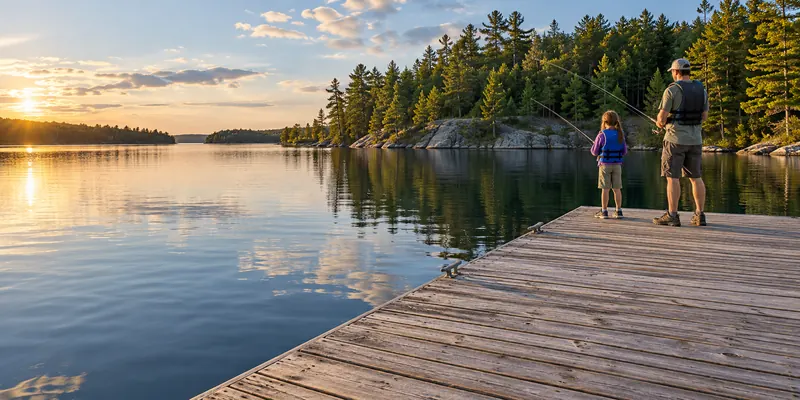
Choose manageable, legal access with room to cast and take a break. A short shore outing or a supervised beginner session can be a sensible start. Ontario's Learn to Fish program is another option; check current participation details and availability. Pick somewhere that suits the people going, and keep the first day short enough to remain comfortable.
What is the best time for a fishing trip?
The answer starts with a legal date on a named water. In 2026, Nipissing walleye reopens May 16 and closes October 15. General Zone 15 bass fishing begins June 27, while Zone 11 reopens May 16. Water exceptions and sanctuaries still apply. Use the season table, then check the actual lake entry, operating boats and launch conditions before booking.
Can I target a closed-season fish if I release it?
No. Ontario prohibits targeting a species during its closed season even when the fish would be released. An open season with no retention permitted is a different rule. Read the species entry and named-water exceptions in the current regulations. Choose an open target and a method suited to it. Do not treat a promise to release the catch as permission to fish.
What tackle should I bring?
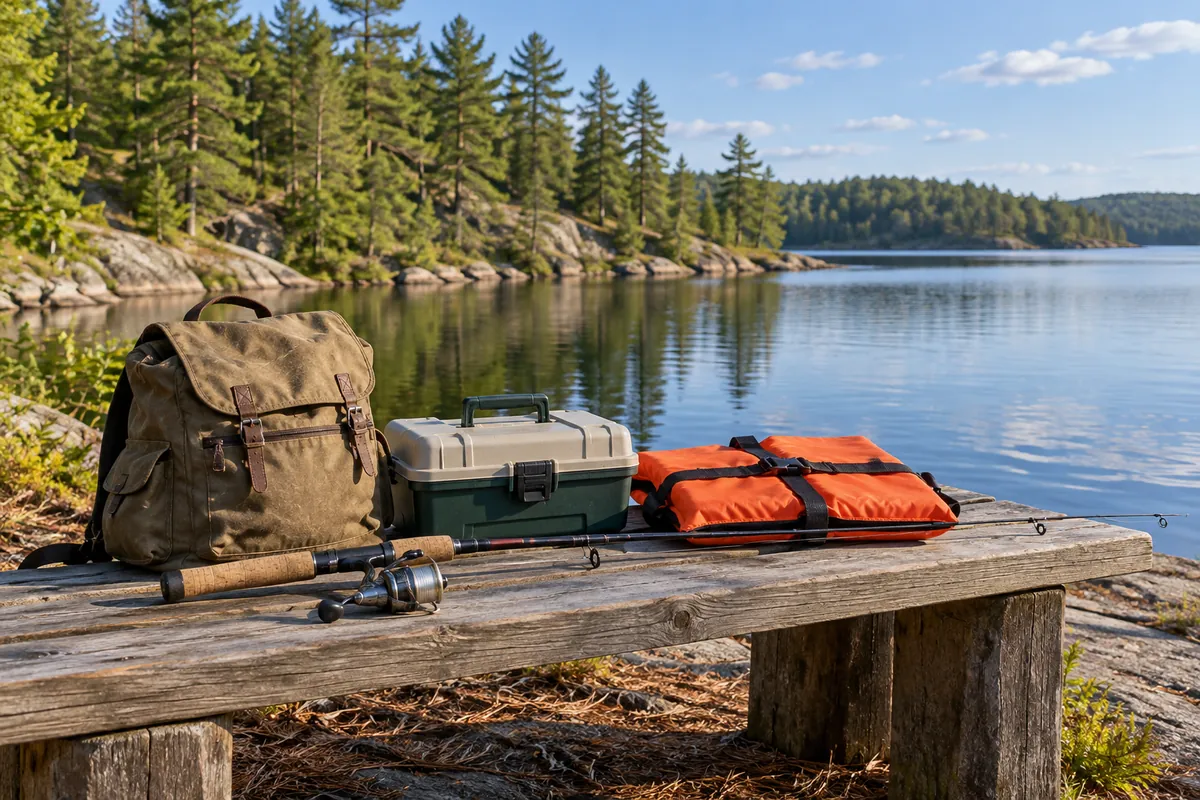
Bring one working outfit for the target fish, a small lure selection, a ruler and release tools. The normal open-water allowance is one line; published boat and carp exceptions differ. A line may carry at most four hooks, counting each hook on a lure. Tackle and methods explains those rules and the ice-line conditions. Confirm tackle restrictions for your actual reach.
Do children need their own equipment and licence?
Canadian-resident children under 18 need no purchased card or licence, but must carry the required Canadian government ID and follow Sport limits. Non-Canadian children under 18 may fish with an accompanying licence holder and share that person’s limit; buying their own card and licence gives separate limits. Use child-sized tackle, fitting flotation and close supervision. The family guide includes named park options.
Can I fish without owning a boat?
Yes. Emily Provincial Park lists panfish fishing from its dock, and Rock Point lists Lake Erie shore fishing from its limestone outcrop. Check permits, season, access and conditions. A rental motorboat needs accepted proof of competency; a completed rental checklist can cover the rental period. Read shore fishing and boating safety before choosing the outing.
Is fly fishing only for trout rivers?
No. Ontario fly anglers also fish lakes and target species such as bass, pike and panfish where permitted. Choose the outfit for the flies and target fish rather than using one rod for every job. The fly-fishing guide covers starting tackle, casting space and trip choices. A lesson and a manageable piece of water can make the first outing easier to understand.
May I keep fish for dinner?
Only within the current rules for your licence, species and water. Check seasons, sizes, catch and possession limits before fishing. Also read Ontario's fish-consumption advice for the particular water, species and size, including advice for different people eating the fish. Decide what the group intends to keep before the outing, and release fish that may not legally be retained as required.
What should I settle before booking a remote stay?
Confirm the route, transfer arrangements, baggage rules, meals, boats, fuel and cancellation terms. Ask about communication coverage and weather delays. Keep the first and last travel days realistic. The trip-planning guide puts those questions together. Before going out on the water, leave a trip plan with a responsible person and agree on the return time and what to do if you are overdue.