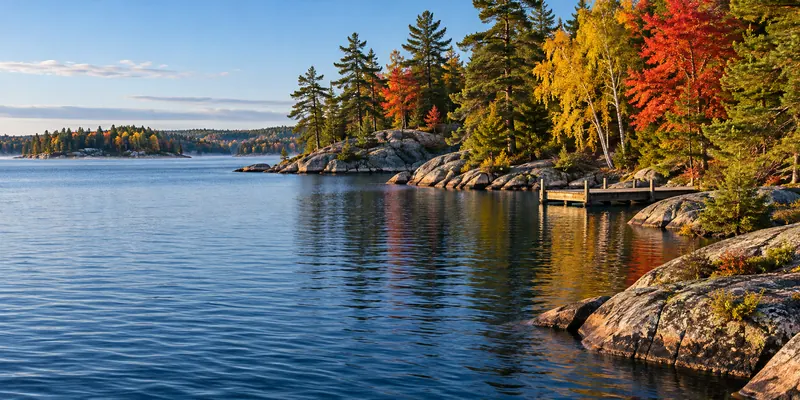
An Ontario fishing calendar needs two kinds of reading. One is the legal season for the species on the named water. The other is the likely condition of the trip: road access, water temperature, daylight, wind and the services that will be open when you arrive. A pleasant week for travel is not automatically an open week for every fish.
The province is too large for one tidy schedule. A southern river can be well into its open-water year while a northern lake is still waiting for a safe launch. Use the seasons to narrow your choices, then check the exact place. A date belongs to a trip only after both the fishing rules and the route make sense.
Begin with the legal calendar
Read the current Ontario fishing regulations for your target species, zone and named-water exceptions. Do this before booking. General descriptions of spring walleye or autumn trout fishing do not give permission to fish a particular place. A trip that crosses several waters may require several separate checks.
Keep a second legal fishing option in mind. If your first choice is closed, another open species may suit the same group with a different approach. Do not target closed-season fish on the promise that you will release them. Choose the dates and the method around fishing you are allowed to do.
Spring: leave room for the actual arrival of water
Spring travel rewards a little patience. Ask whether the launch is operating, whether the last road is passable and what the water is doing. A date that worked on last year's trip is a reference, not a guarantee. Keep the first outing close enough to make an easy return if conditions are less comfortable than expected.
Cold water calls for care even on a warm afternoon. Pack the flotation device and dry clothing with the same attention you give the rods. A sheltered shore or short boat outing can be a sensible first choice. Let local conditions and your boating skills set the range of the day.
Early summer: plan around the whole group
Early summer often suits a trip built around several kinds of fishing and time ashore. Start with the interests of the people going. A serious angler may want long sessions; a newcomer may prefer a simple outing followed by lunch. Put those expectations on the table before anyone commits to a daily dawn departure.
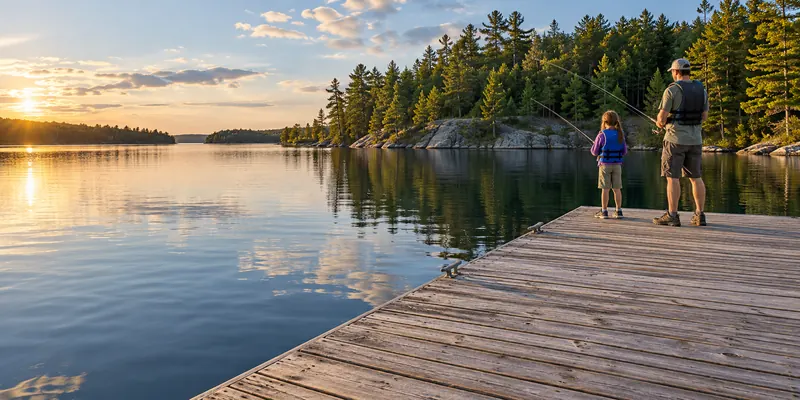
Book the equipment and help the group needs. For a family fishing trip, easy access, appropriate tackle and a comfortable place to take a break can matter more than a distant spot. Carry rainwear even when the forecast looks friendly. Keep insect protection and drinking water where they can be reached during the outing.
Summer: make the clock work for the trip
Summer holidays can put more people on ramps, docks and popular shores. Allow time to launch without rushing, and choose a return window that leaves room for weather. If the group prefers cooler parts of the day, split fishing into shorter morning and evening sessions with a proper break between them.
Think about fish care as well as personal comfort. Read the catch-and-release guide before fishing in warm conditions. Have the landing and unhooking gear ready, and be willing to change plans if a release-focused outing would put fish under needless strain. A rest day can belong in a fishing holiday.
Autumn: shorten the ambition with the daylight
Autumn brings a different pace to the shore. Leave enough light for the return on water you have only recently learned. Ask about fuel, shop hours and boat arrangements before arrival. A service available during the busiest summer weeks may operate on a different schedule later in the year.
Pack for the air temperature at the end of the day. A windproof layer and dry clothes make more sense than trusting the midday sun. Before travelling for a particular species, check whether it is open on your dates and whether the water has an exception. Leaf colour is a fine reason to enjoy the drive; it is not a fishing timetable.
Winter: confirm access without treating it as permission
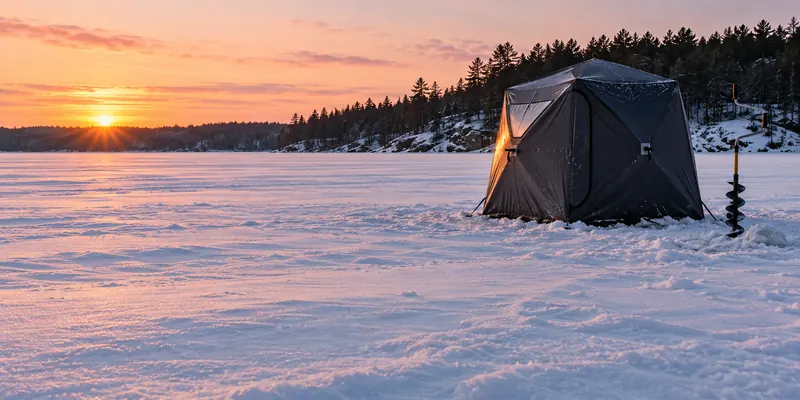
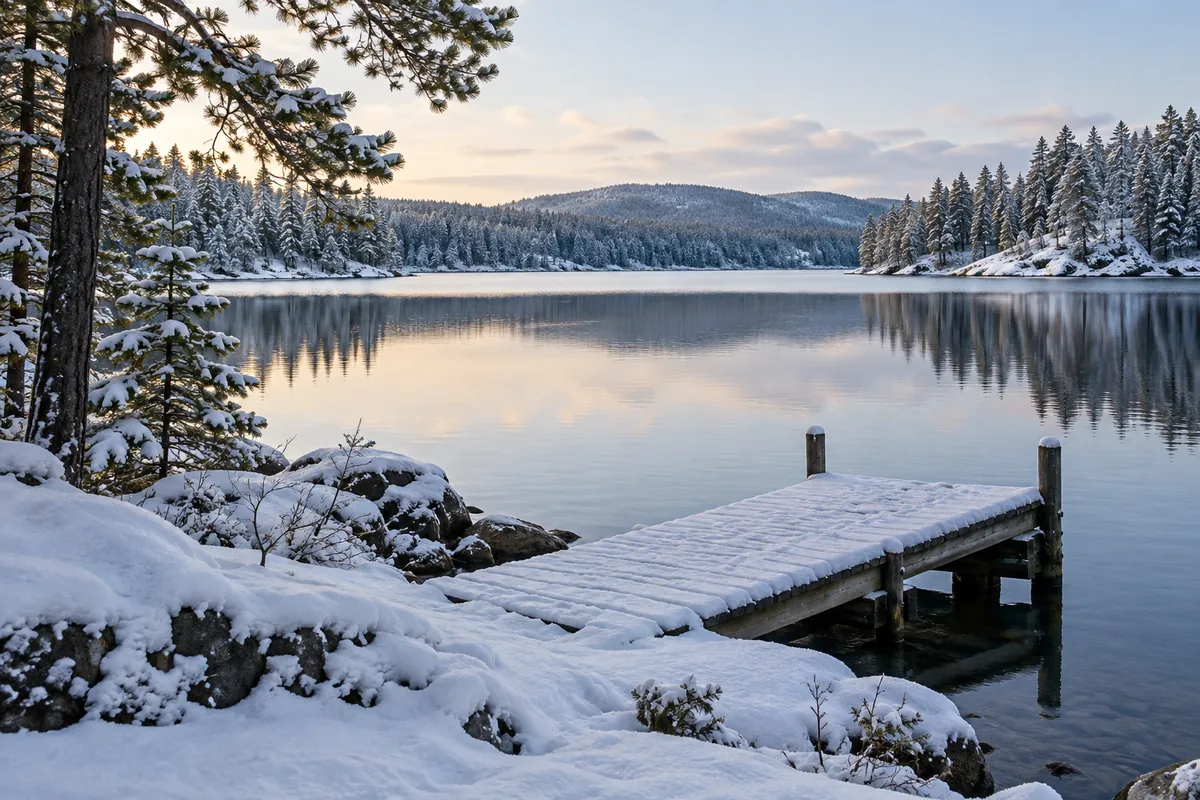
For ice fishing, check the fishing season and seek current local advice about the specific route. A frozen-looking lake, parked vehicles or tracks across snow do not establish safe ice. Conditions vary across the same water and can change. Do not turn a general thickness figure or a photograph into travel approval.
Choose an outing that fits the group's experience, equipment and communications. Know the meeting point, expected return and what happens if the weather changes. A local operator can explain its arrangements and current access advice, but everyone still needs to understand the day's limits. Keep the option to postpone without turning the decision into a contest.
Choose dates you can actually use
Once the season and route fit, ask what the stay includes and what remains available nearby. Save the relevant rules and trip contacts. Leave one flexible day if the journey is long. The best calendar entry is one supported by a workable plan, rather than an expectation that the weather and fish will follow the booking.