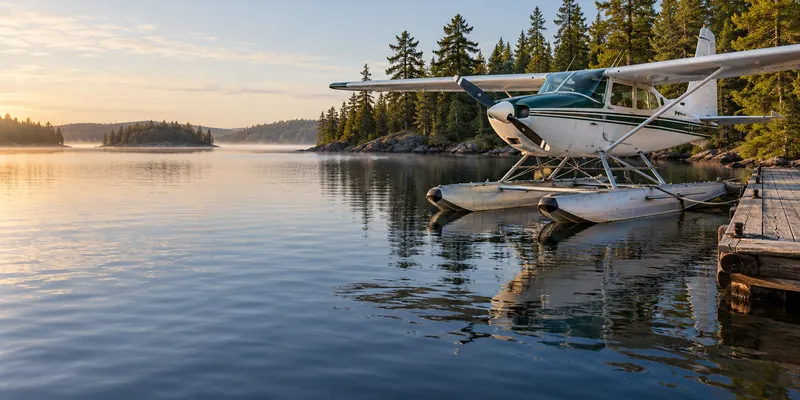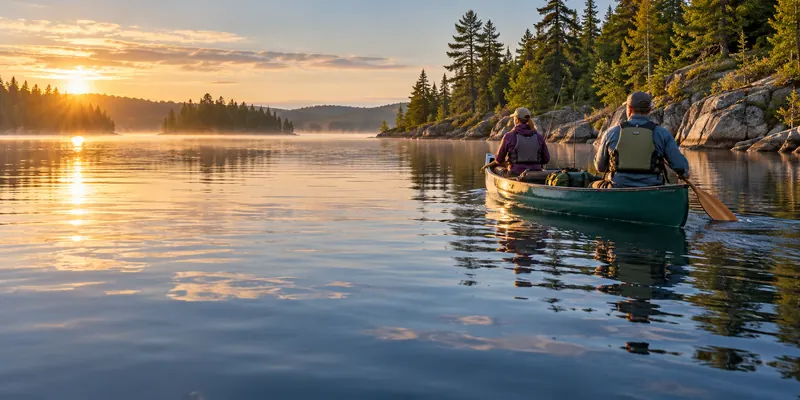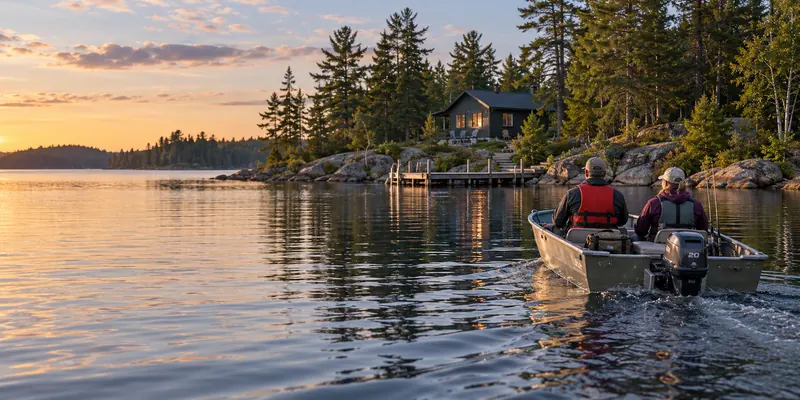
Ontario boat-in fishing puts a stretch of water between the vehicle and the cabin. Sometimes the operator carries the group and its bags. Sometimes guests make the crossing themselves. That difference belongs at the start of the booking, because the transfer can need a different boat, load and weather decision from the fishing day that follows.
The appeal is simple: reach the dock, put the bags away and start the stay beside the water. Keep the crossing equally clear. Know the departure landing, the person meeting you and the plan if wind or a late arrival changes the trip across.
Separate the transfer from the fishing
Ask whether the booking includes arrival and departure transfers. Confirm which boat carries the group, who operates it and whether gear makes the same trip. A larger transfer boat may deliver guests to a cabin where smaller fishing boats are kept. Do not assume one boat does every job.
If guests bring their own boat, ask whether the route and docking arrangements suit it. Describe the boat and load honestly. An operator’s instructions are useful, but they do not replace the boat operator’s decision about the conditions, equipment and ability of the people aboard.
Put a precise landing in the plan
Get the meeting address and written directions to the departure dock. Ask where the vehicle and trailer remain, whether parking is reserved and how loading works. A town name or general lake address may still leave several landings to choose from.
Read the French River guide for channel-country context or the Lake Temagami guide for a lake with many different access choices. Then confirm the exact route with the operator. Neither guide is a navigation chart, and the property name does not tell you which channel or landing to use.
Make the bags easy to carry
Pack loads that people can move between vehicle, dock and cabin without blocking the walkway. Put documents, spare clothing and other dry essentials in suitable sealed bags. Keep medication and items needed during the crossing with the person who needs them.
Ask how groceries, rod cases and any bulky equipment should be packed. A large cooler that fits the truck may be awkward in a small boat. Confirm the load allowance rather than stacking bags until the seats disappear. If the transfer takes more than one run, settle which supplies the first group needs on arrival.
Learn the route before operating it
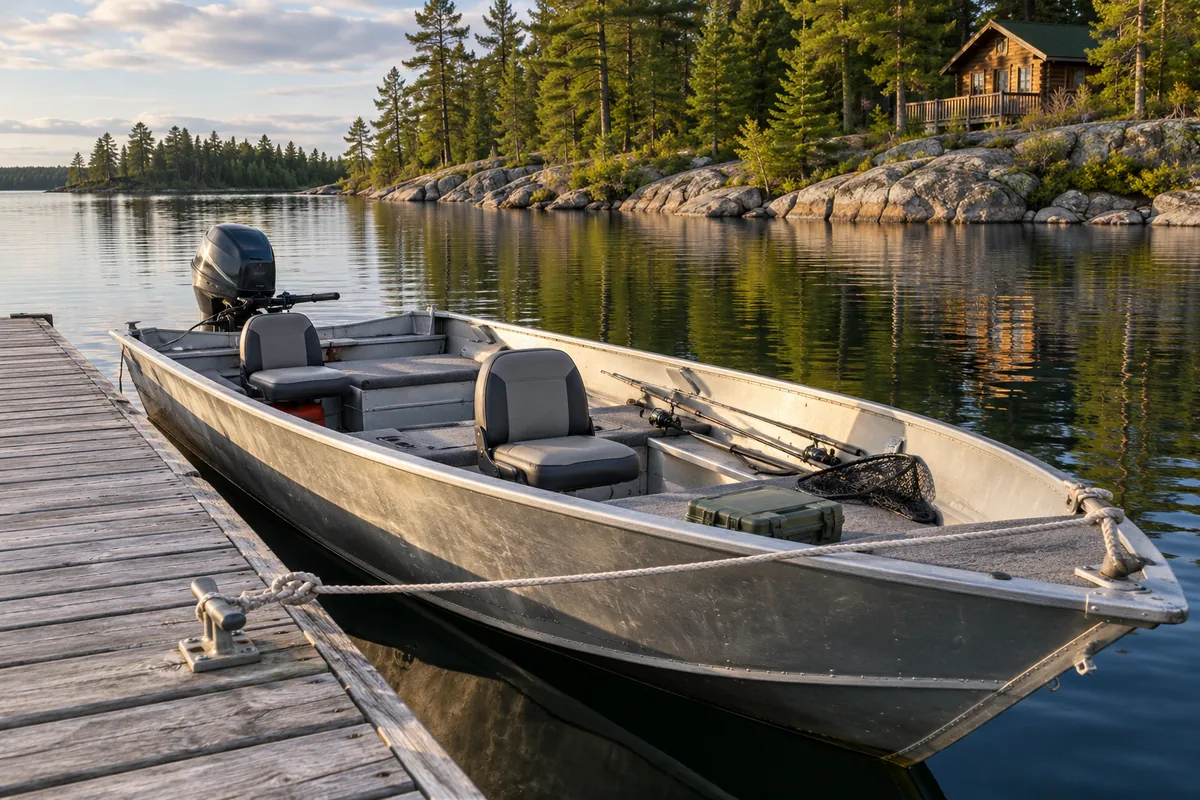
For a self-operated crossing, obtain suitable current navigation information and a briefing on the intended route. Ask about shallow areas, marked passages, boat traffic and places where wind can change the conditions. Keep the trip within your ability and the craft’s limits.
Wear a properly fitted lifejacket or PFD and check the required equipment for the actual boat. Read Transport Canada’s current operator and rental information. If a rental boat is supplied, its controls and local hazards deserve a clear briefing. Stop to ask about anything unclear while still at the landing.
Find out what waits at the cabin
Confirm the kitchen, bedding, drinking-water supply and washroom arrangements before shopping. Ask about dock access, steps and carrying distances if someone has a mobility concern. A shoreline photograph will not settle whether the whole party can manage the arrival.
Learn how guests contact the operator and request help. Ask about expected phone coverage without relying on a general coverage map. Keep the contact instructions where the whole party can find them. The useful question is how communication works at this property, on this lake and during this particular stay.
Keep the first fishing day close
Once unloaded, check the fishing boats and confirm their return point. Ask which species occur in the water you can reach and check the current fishing rules. The bass guide and muskie guide describe different tackle and handling needs; choose the target before filling the boat with rods.
A short opening route leaves time to learn how the boat handles and how the dock looks from the water. Save longer runs until the group has a clear route and a settled forecast. Leave a trip plan with a responsible person, including the intended return, and confirm when everyone is back.
Agree on weather and pickup
Ask how wind, storms or poor visibility can change the transfer. Find out who contacts the group, whether guests should remain at the departure landing and what happens to the booking if a crossing is postponed. Put those terms in writing before the deposit.
On the final day, keep bags ready at the agreed time and leave the dock clear for loading. If returning in your own boat, make a fresh decision about the water and the load. A successful fishing stay does not require a hurried crossing to preserve a driving schedule. Give the water its own part of the travel plan.