Ontario salmon fishing can begin on a charter boat leaving a Great Lakes port, or on a permitted riverbank with a rod in hand. Those two days need different plans. Choose which one you want before booking a room, buying tackle or driving to the first bridge with fish visible below it.
For a visitor, a charter can provide the boat, equipment and local knowledge needed for an open-lake day. A river outing asks more of the angler’s access research and understanding of the water. Both deserve a clear target species, current rules and room for weather to change the route.
Know the salmon in the booking
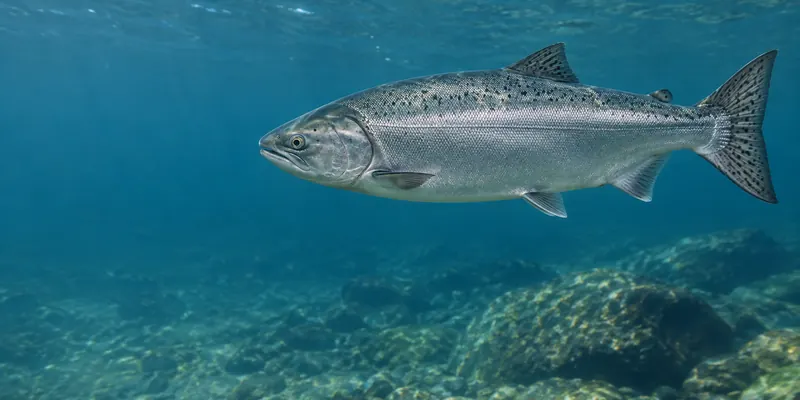
Chinook and coho are part of Ontario’s Great Lakes fishing. In Lake Ontario, both are introduced Pacific salmon, while Atlantic salmon have a separate native history and restoration story. Toronto and Region Conservation Authority’s salmon information gives useful background on these differences.
Ask which species the operator expects to target during your dates. Do not assume every salmon name fits every Great Lake or every tributary. Identification matters if a fish will be kept, and it matters when rules differ. Use current official species information rather than trying to settle an unfamiliar fish from its size alone.
Choose the port with the fishing
The Great Lakes guide gives Ontario, Erie, Huron and Superior their own context. For salmon, begin by asking about the intended lake, port and route. A charter’s boarding point may be well away from the town centre used in its general description.
Confirm the meeting address, parking and departure time. Ask how far the boat normally travels and whether the group should expect a half day or a longer outing. Tell the captain about children, first-time anglers or anyone uncomfortable on open water. The right booking should fit the people aboard as well as the fish being pursued.
Let the charter settle the gear list
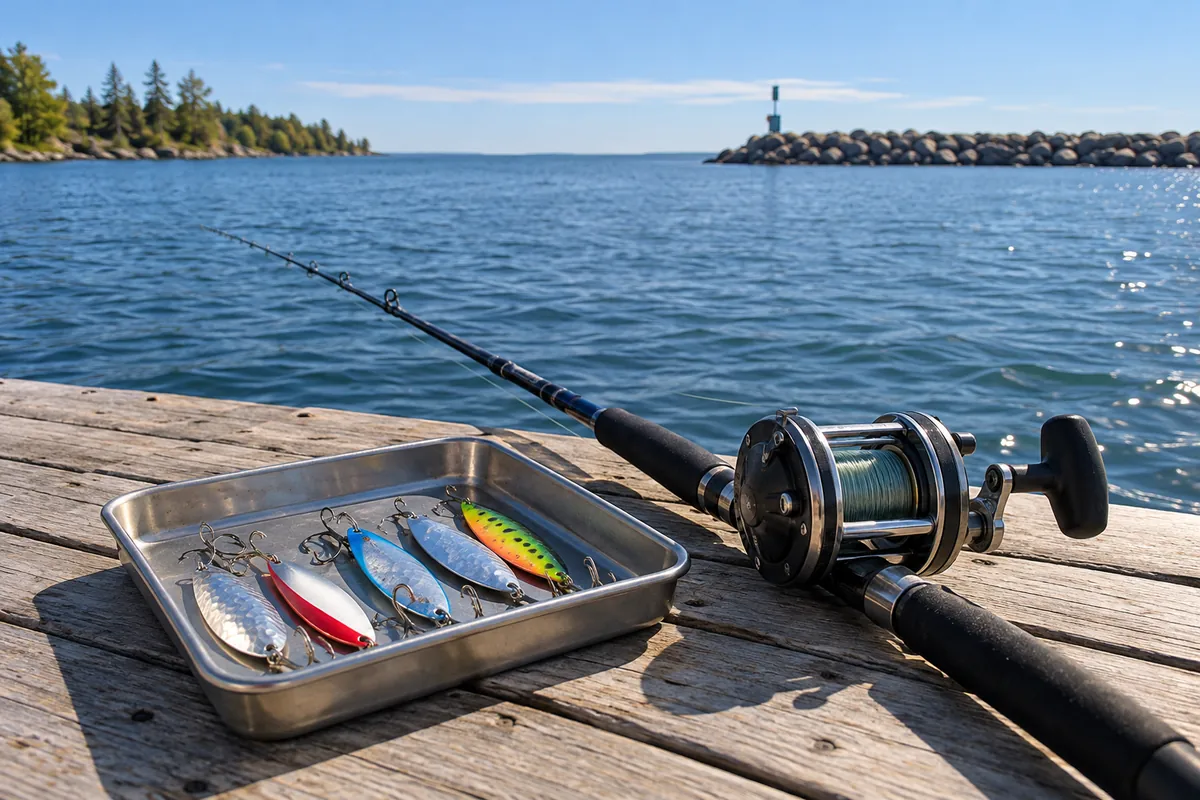
Trolling may use equipment a visiting angler does not own or need to buy. Ask what the charter supplies: rods, tackle, landing gear and any required safety equipment. Ask what you should bring, including clothing, food and a cooler if retaining a legal catch is part of the plan.
Leave room for the captain’s routine aboard. Keep personal bags where requested, let the crew explain the rod arrangement and ask before changing equipment. A charter day is a useful chance to learn the reasons behind a trolling route and lure depth without making the boat’s working space harder to manage.
Weather belongs in the terms
Ask how a weather cancellation is handled before paying a deposit. Check whether an alternate day can be held and what happens if the intended outing is shortened or postponed. A harbour can look calm while the water outside it is unsuitable for the planned trip.
Pack dry layers and clothing for spray, wind and a cooler start than the town forecast suggests. Follow the operator’s safety directions. If someone is worried about motion sickness, settle that concern before departure. It is easier to choose a shorter outing or another day at home than to change the whole plan offshore.
A river has its own boundaries
Ontario’s Chinook information notes their movement toward river mouths and upstream spawning water later in the year. That broad pattern does not open every river reach to angling. Check the current fishing summary, sanctuary notices and local access rules for the section you intend to fish.
Use legal entry points and respect private land. A road crossing or a visible trail is not proof of public fishing access. Walk the bank only where permitted, leave room for other anglers and choose footing that suits the conditions. If a reach is crowded, high or slippery, another location or another day may serve the trip better.
Tackle should fit the water
For shore or river fishing, ask a local guide or tackle shop about equipment suited to the method and the fish. Float tackle, casting lures and fly gear require different skills. Start with one approach you can control, and learn how to place it without tangling neighbouring anglers.
Avoid targeting fish that are plainly unsuitable for a clean catch and release, and handle any fish promptly. A visible salmon is not an invitation to crowd a spawning area or foul-hook a fish. Learn the legal fishing methods, keep hooks clear of others and have a landing plan before casting into a difficult position.
Decide what happens after the catch
If keeping a fish, confirm the legal species, size and limit for the water and check Ontario’s fish-consumption advice. Ask the charter about cleaning and storage arrangements. Have a cooler ready and a plan for getting the catch home in good condition.
If release is the purpose, discuss handling with the operator beforehand and keep any photograph brief. Our Trout guide covers rainbow trout and other fish that may share parts of this fishing country. Choose the water, species and method first. A clear plan leaves more of the day available for fishing and less for trying to solve the trip after it has begun.