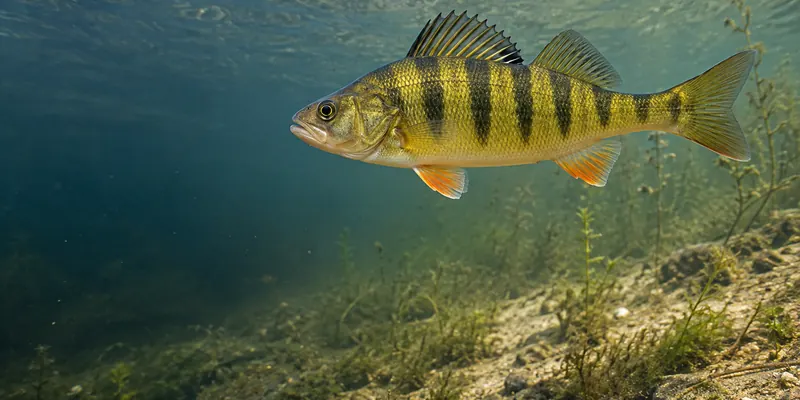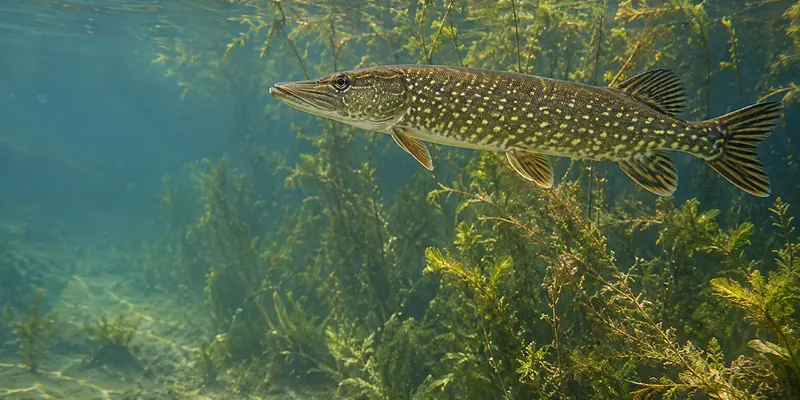
Ontario bass fishing gives a casting day two strong starting points: rock water for smallmouth and suitable bays or cover for largemouth. There is overlap, and neither fish reads a rigid rulebook. Still, deciding which one you want to target helps put the boat and the first lure somewhere useful.
You do not need to arrive with every new bait in the shop. A few methods you understand, a lake chosen for the group and time to work a shoreline are enough to begin. Bass fishing can fit a serious northern trip or a cottage morning that ends before lunch. Give the water its share of the planning.
Know which bass you mean
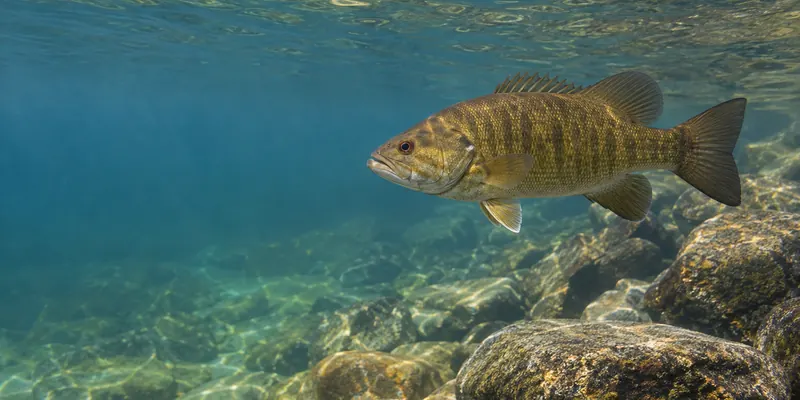
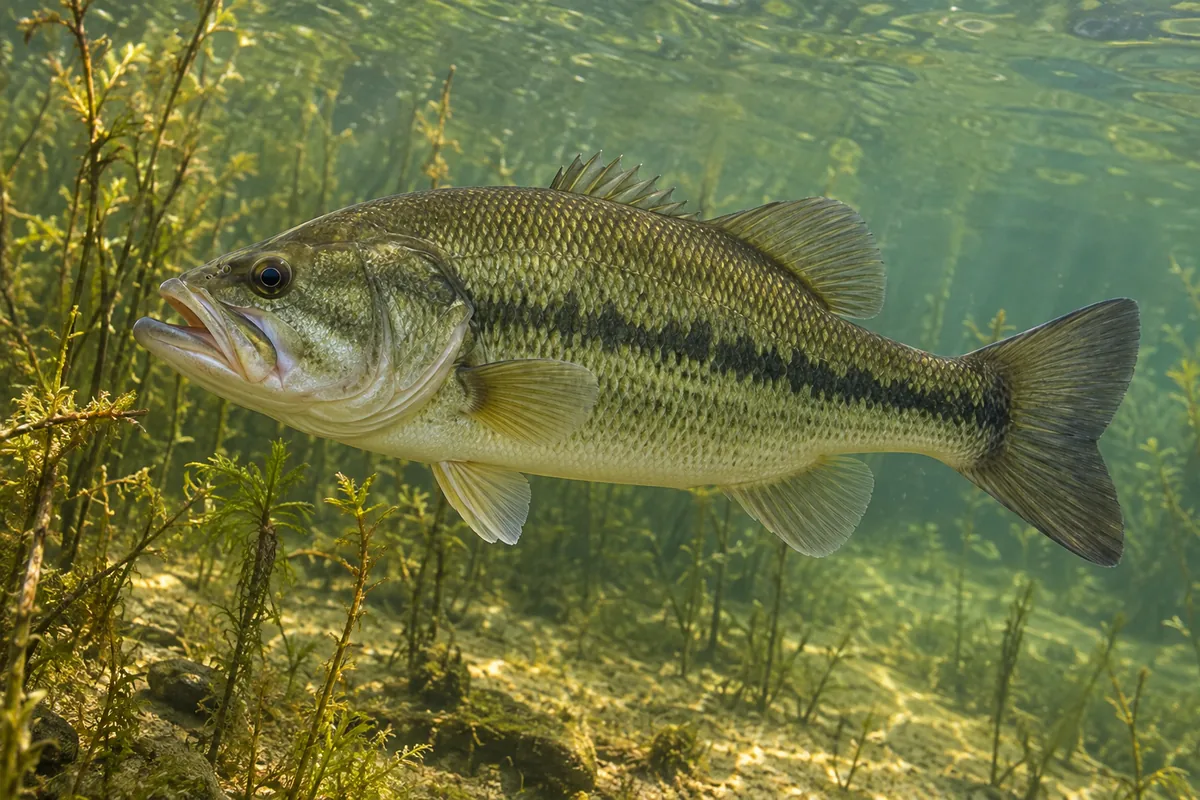
Smallmouth often have bronze sides with dark vertical markings. Largemouth are generally greener, with a dark band along the side and a larger mouth whose upper jaw reaches farther back. Ontario’s official species pages give fuller identification details. Learn those features before treating every fish in the net as the same bass.
The distinction matters to trip choices and may matter to the rules. Read the current summary for both species and the exact water. Do not assume that an opening date remembered for “bass” applies equally to smallmouth and largemouth in every Ontario zone or named lake.
Smallmouth: start with a piece of rock
Rainy Lake and Lake of the Woods give smallmouth anglers northern water to compare. The Muskoka Lakes add a cottage-country setting. Pick an accessible section with suitable points, islands or shorelines, then ask how that water fishes during your visit.
Use a chart to see whether the visible point continues as a shelf or falls quickly into deeper water. Cast across it from a position that keeps the lure in the chosen depth. If a bite comes, note where it happened and try another piece of similar water. The shoreline’s appearance is a clue; the lure’s route makes it useful.
Largemouth: give the cover some space
For largemouth, ask about bays with vegetation, fallen wood or other suitable cover in the chosen lake. Muskoka and other central or southern Ontario waters offer options, but a regional name alone does not confirm the fishery beside your cottage. Check the water itself.
Begin at the outside edge of cover and keep the boat far enough away to cast comfortably. A weedless soft plastic can make a useful first approach. Around docks, leave room for people, boats and property. A dock is someone’s access to the lake, not permission to cast a hook into everything stored beneath it.
Keep a small working lure box
Jigs, tubes, soft-plastic minnows and a few moving baits can cover a useful range of bass fishing. Choose lure weights that your rod handles well and hooks that suit the bait. A newcomer often learns more by fishing one rig carefully than by changing to a new one after every cast.
Carry topwater tackle if you want that style of fishing, but keep the day open to another depth or method. Surface activity is enjoyable when it happens. It is not a reason to ignore quieter water below. Ask a guide which presentation fits the conditions rather than relying on a fixed seasonal claim.
Boat position changes the cast
Before changing lures, consider where the boat sits. Wind can speed up a drift, shorten the useful part of a retrieve or carry the boat over the fish you were trying to reach. Reposition and make a shorter pass if that gives you better control.
In a canoe or kayak, keep the route within your paddling ability and the weather conditions. Secure tackle and leave the cockpit or seating space clear. A hooked fish is easier to handle when the boat remains stable and the landing tools are already reachable. The same planning matters in a motorboat with several anglers casting.
Leave spawning fish their space
Check the season before choosing an early trip, and avoid disturbing nests or repeatedly working fish visibly guarding them. A clear shallow bay can make fish easy to see, but visibility does not tell you whether targeting them is lawful or sensible.
If release is the plan, discuss depth and handling beforehand. Keep the fish supported, protect its jaw and body, and limit time out of water. Do not make a long photograph session out of a quick catch. Keep tools ready and let the landing routine remain short enough to use properly on every fish.
Make a first outing manageable
Choose a nearby legal shore spot or a short boat route with enough casting room. Show a new angler how to keep hooks clear of others, set the drag and use the landing net. Stop while there is still interest in another try. Snacks and a clear finishing time can matter as much as a lure choice.
Our Perch & Panfish guide gives another option for a simple outing, while Where to Fish puts bass water in its wider setting. Once you choose a lake, slow down enough to learn one shore. A familiar point fished from a better angle can be worth more than a new lure hurried through the same mistake.