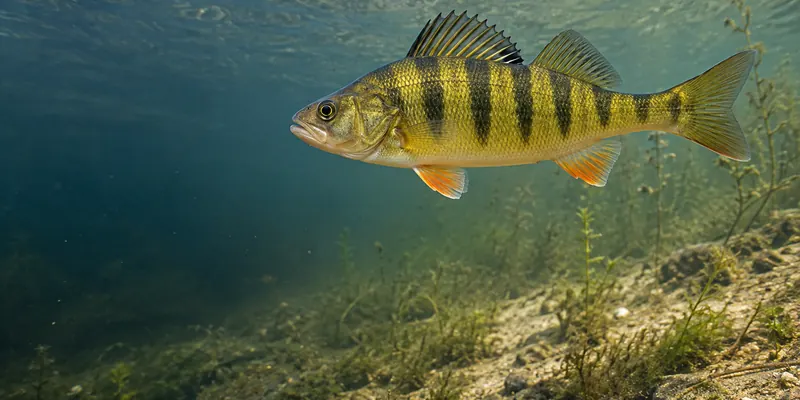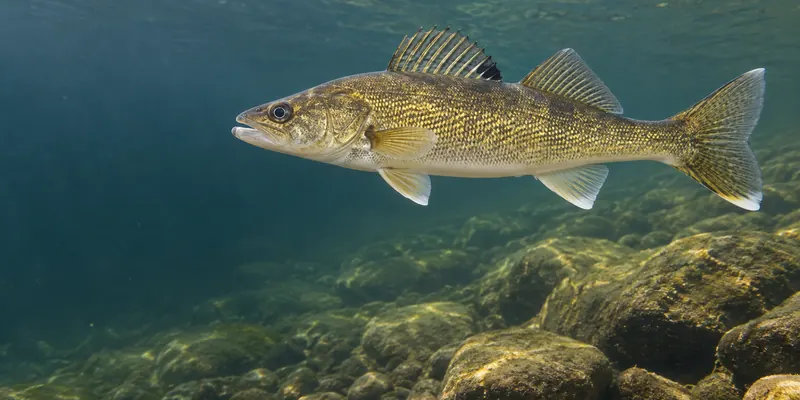
A shore session for carp or catfish gives an Ontario fishing day a different pace. The bait is settled near the bottom, the rod is watched and the landing net is ready. Waiting is part of the method, but preparation gives that wait a purpose. Pick a legal shore spot with enough space to manage the fish you intend to catch.
These are separate targets. Common carp and channel catfish may share a place in the bottom-fishing conversation, yet their identification and handling deserve different attention. Choose one as the main purpose of the outing. The right water, a sound rig and a clear route to the net matter more than a collection of bait recipes.
Common carp is a specific fish
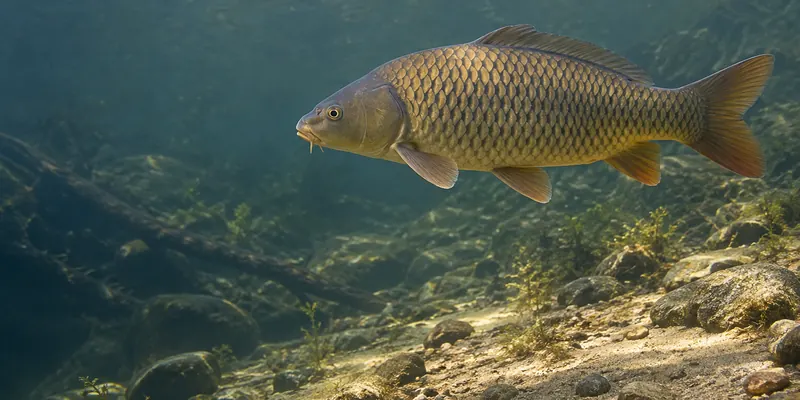
Common carp have a deep, scaled body and small barbels beside the mouth. Fisheries and Oceans Canada describes them as an introduced species found in Ontario’s Great Lakes region and other inland waters. Suitable warm, shallow lake or river water can give a shore angler a place to begin research.
Common carp are different from the invasive carp species covered by Ontario’s separate invasive-species guidance. Do not treat every unfamiliar carp-like fish as the same target. Use official identification material, and follow the reporting directions if you suspect an invasive species. A fishing article or a quick colour comparison is not enough to settle an uncertain identification.
Channel catfish and bullheads
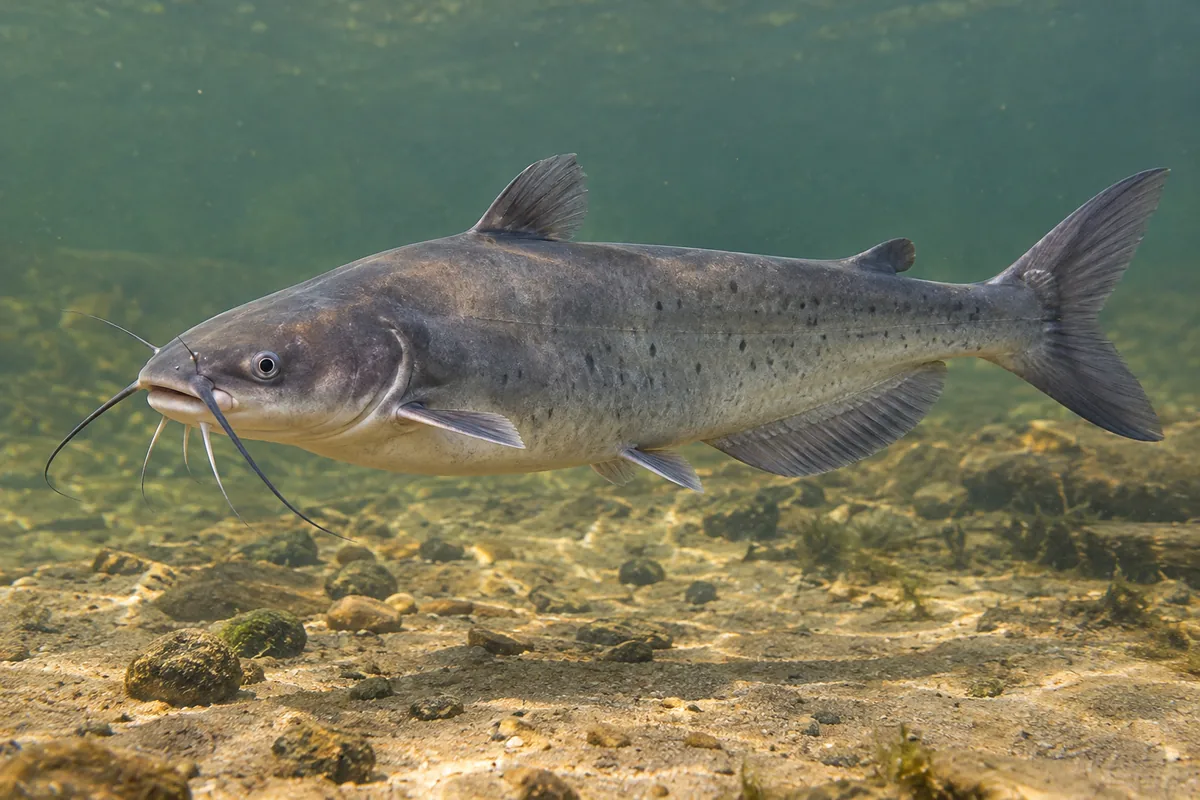
Channel catfish have smooth skin, mouth barbels and a forked tail. Bullheads are different fish and need their own identification check. Ontario’s official species information is a useful place to learn these distinctions before building a catch plan around the broad word catfish.
Have suitable handling tools ready and take care around fin spines. Ask an experienced guide to teach the method if it is new to you. Do not improvise a grip on a fish you do not know. A careful landing, with the fish supported and hooks dealt with promptly, is part of the fishing rather than a task left until the end.
Choose a bank that gives you room
The Southern Ontario guide and Eastern Ontario guide give regional context for looking at warm-water lakes and rivers. Use official water information and local advice to confirm the target species. The nearest public park may offer a useful starting question, but its fishing access still needs checking.
Look for legal access, sound footing and a workable landing edge. Keep away from steep drops, difficult current and places where casting crosses a walking path. A fish may run farther than expected. Choose a spot where you can keep control without climbing over fences, stepping into deep water or dragging gear through someone else’s space.
Make the bottom rig repeatable
Ontario’s carp guidance describes still-fishing with natural bait placed on the bottom. Choose tackle suited to the target and the conditions. Use only bait permitted for that water, and check the current rules before trying a method picked up from another province or country.
Start with a simple rig that can be cast and retrieved cleanly. Keep the rod attended and supported securely, with the reel’s drag set for the equipment being used. Watch for line rubbing against rock or other obstacles. If every cast settles in a snag, choose a better angle or another place rather than repeatedly leaving tackle behind.
Give a strong fish a clear route
Have a suitably sized net ready and decide where the landing will happen before the first cast. Keep bags and chairs out of that route. If releasing a carp, use appropriate wet landing support when it must briefly leave the water, rather than placing it on dry gravel or a hard walkway.
Keep handling and air exposure brief. Ask for instruction on releasing a large fish safely if you are unfamiliar with the job. A shore outing does not remove the need for a landing plan. It can make that plan more important when the bank is high, the edge is shallow or there is little room to move.
Pack for a settled session
Bring drinking water, weather protection and only the tackle you can keep organised at the spot. Secure bait containers and pack out line, hooks and other waste. A bank used by walkers or families needs to be left as tidy as it was when you arrived.
If fishing with a child, choose a short session in daylight with safe footing and room away from hooks. A first introduction need not become an evening-long wait. Our Perch & Panfish guide offers another shore option if the group would prefer small tackle and a different pace.
Read the rules for your target
Check the current Ontario fishing summary for the named water, species, bait and number of lines allowed. Do not assume that an exception for a particular carp method applies to catfish or to every Ontario water. Keep the plan within the current rule that actually covers your outing.
If retaining a legal fish, check Ontario’s fish-consumption advice separately. Otherwise, arrange the release tools before casting and let the day stay focused on the chosen species. A quiet bank, a bait you can place well and a net within reach make a sound starting point for this side of Ontario fishing.