An Ontario trout trip needs a second name. Brook trout, lake trout, rainbow trout and brown trout can send you toward different water with different equipment. A small stream rod tells you little about the gear needed for a deep lake outing. Decide which trout you mean before choosing the accommodation or filling the tackle bag.
Cold water runs through much of the conversation, but access sets the shape of the day. You may be walking a legal stream reach, casting along a suitable lake shore or fishing from a boat equipped for depth. Pick one of those days first. There is room to add another later without trying to pack every trout method into one morning.
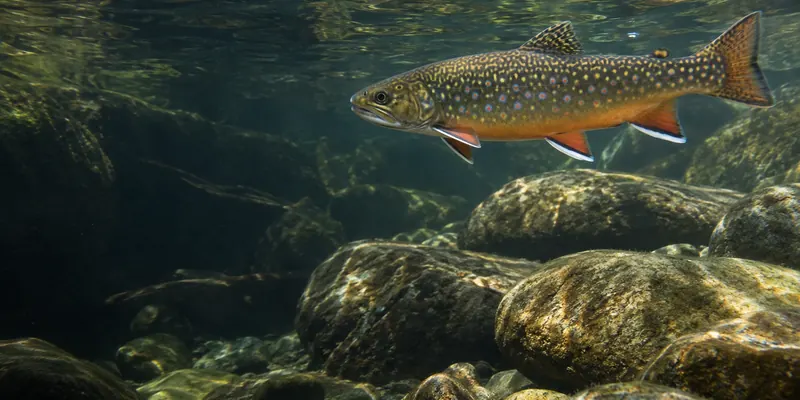
Brook trout: water and cover
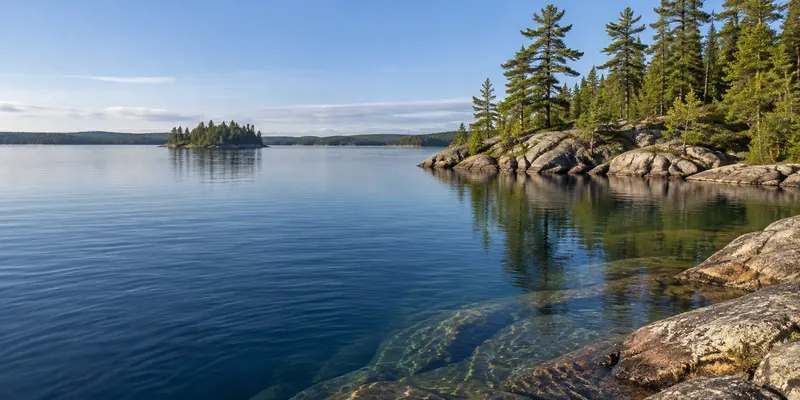
Ontario’s brook trout notes describe cold, clear water with cover from branches, logs and rocks. In a stream, that makes a pool, a shaded bank or a sheltered pocket worth reading carefully. Approach with room to cast and attention to footing, rather than walking directly into the water you intend to fish.
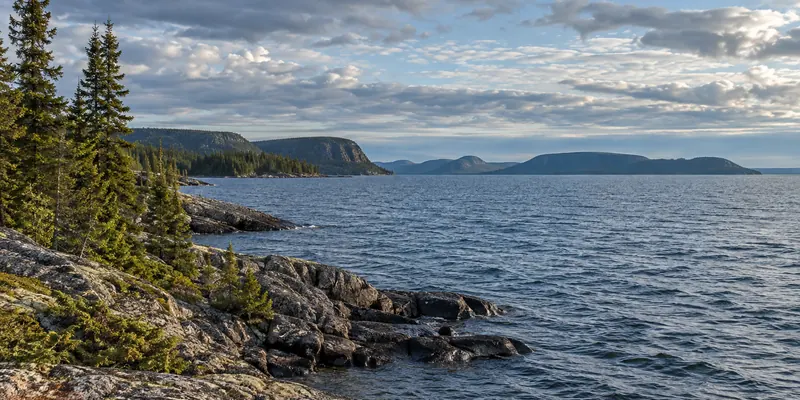
Brook trout also belong in the lake conversation. Lake Nipigon is a northern example to research with a guide. A brook trout booking there should specify the actual lake or river water. The shared name Nipigon does not make the access, boat route or rules interchangeable.
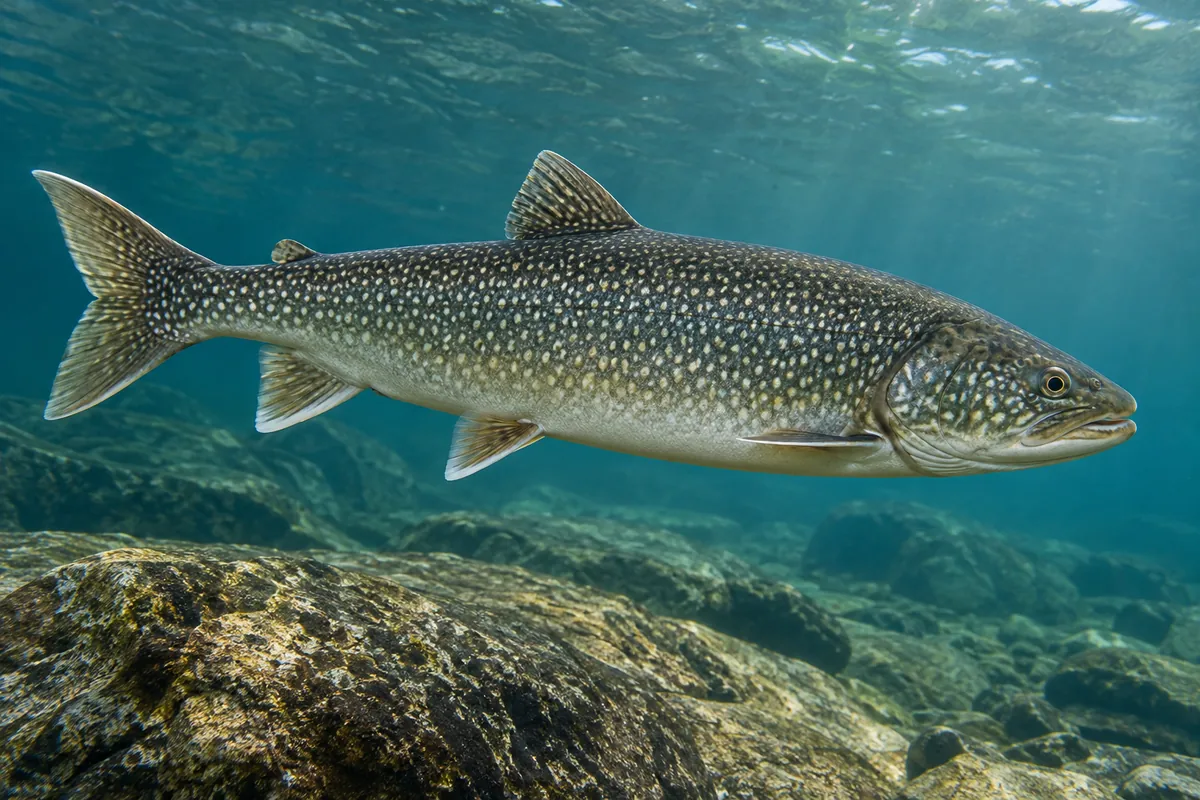
Lake trout: depth changes the day
Lake trout give Lake Temagami, Lake Nipigon and selected cottage-country lakes another fishing purpose. Confirm the population and rules for the exact water. A deep-looking lake beside a cabin is not enough information to plan a trout holiday.
Ask which method fits your dates: casting in suitable conditions, trolling with depth-control equipment or vertical fishing. Find out what a guide supplies and what your own boat can reasonably do. A chart helps put shelves and deeper water in context. The day’s route should keep that fishing within reach of a suitable landing.
Rainbow trout and steelhead
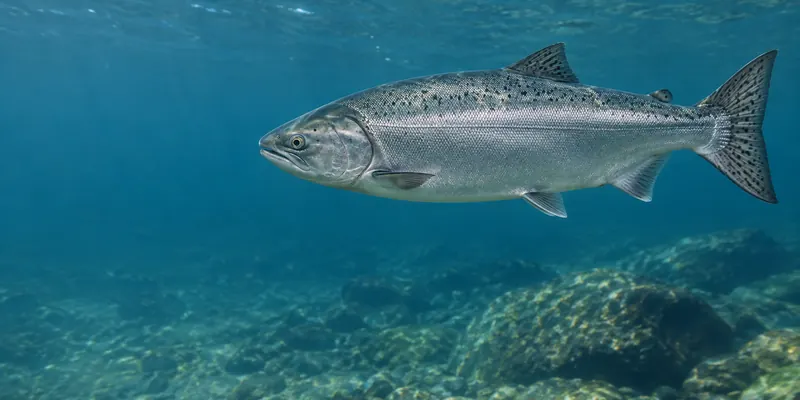
Rainbow trout appear in inland-water and Great Lakes plans. The name steelhead is used for migratory lake-run rainbow trout. A river outing for these fish can require a different access and tackle plan from fishing an inland lake, even though the species name is the same.
Check the intended river section and its rules before choosing a date. Public access, private land, sanctuary boundaries and safe footing belong in the research. If you are new to river fishing, ask a guide about the water level, the method and the conditions that would change the outing. The river decides how much of a day can be fished comfortably.
Brown trout: choose the method and reach
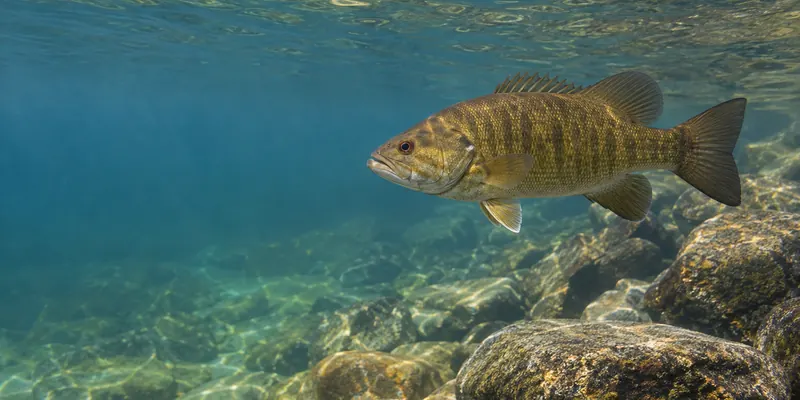
Brown trout add another option in selected Ontario streams and lake waters. Use official water information and local advice to confirm where the fishery fits your trip. Avoid making a long drive to a small stream on the strength of an old photograph with no access details.
Fly tackle, spinning gear and lake trolling outfits serve different purposes. Tell the operator what you want to learn and what you already know. A booking that specifies the water and method will help you pack sensibly. The shared word trout is too broad to settle the rod choice by itself.
Make the first tackle choice simple
For a stream or shore visit, ask about a small selection of flies or lures suited to the water. Choose equipment that lets you place them accurately and handle a fish promptly. Carry landing and release tools where they can be reached without emptying the bag.
For a boat outing, ask about rod holders, depth-control gear and the space needed to land a fish. Secure spare tackle before travelling between spots. If renting a boat, confirm that it suits the intended method. A standard cottage boat can be useful for many days while still lacking the equipment a particular deep-water plan requires.
Cold water still needs care
If releasing fish is the aim, discuss temperature, depth and handling with a knowledgeable guide before the day. Keep the fish supported, use suitable tools and make any lift brief. Avoid turning a quiet pool into a long photograph stop with the fish out of water.
Keep a shore alternative when weather makes boating unsuitable. Streams can also become poor choices during high water or other difficult conditions. Ask what the operator recommends if the original water is unavailable. Having another day in the booking is more useful than treating every planned outing as one that must happen.
Stocked water and wild fish
Stocked lakes can offer another route into trout fishing. Ontario’s fish-stocking information and Fish ON-Line help with research, but stocking history does not settle access or guarantee a catch. Check the species stocked, the current lake information and the permission needed to reach it.
Keep the rules for the exact water beside the map. Trout species may have different seasons, limits or bait restrictions, including named-water exceptions. Our Great Lakes guide and Salmon guide help with larger-water choices. For a first trout trip, keep one species and one method at the centre. That gives the water, the tackle and the time you spend there a useful direction.