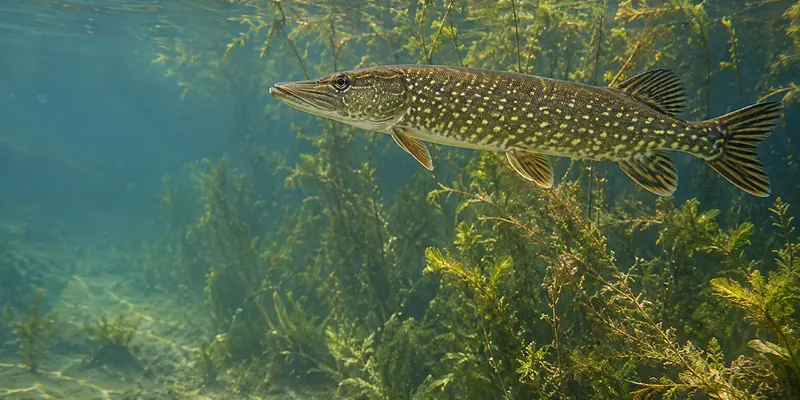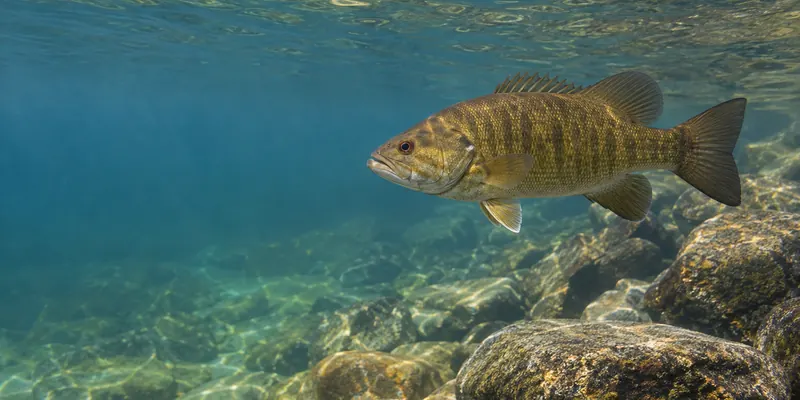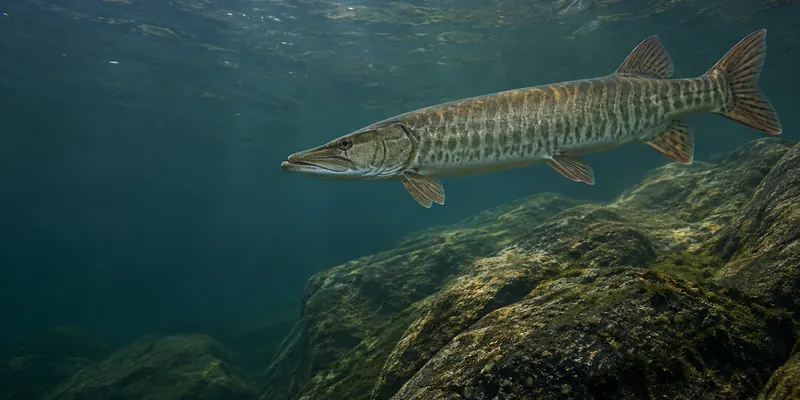
An Ontario muskie trip should begin with a confirmed muskie water and a proper landing plan. The size of the lures gets attention in the tackle shop, but the boat, the net and the person handling the fish deserve just as much. This is a fish to prepare for, rather than hope your ordinary casting kit will somehow manage.
There is room for patient fishing here. A useful weed edge or rock point can ask for several careful passes, and a fish that follows may never touch a hook. Build the day around the method and the water. Leave catch promises out of the booking conversation and ask instead what you will learn and how the outing will run.
Choose an actual muskie fishery
Lake of the Woods and the French River belong on a first Ontario shortlist. Destination Ontario also describes muskie fishing on the Ottawa River and other selected waters. Confirm the target in the exact area you intend to fish. Muskie are not a reasonable booking assumption for every northern lake.
Ask how far the daily route travels and what sort of fishing it normally includes. A large lake with wind-exposed crossings may suit a different boat from a more contained stretch of river. The fishing water, landing and accommodation should work together, so the week does not become a series of long journeys between them.
A guide can teach the whole day
For a first muskie outing, a guide can explain tackle, casting, boat position and fish handling in one setting. Tell the operator how much experience you have with large lures and whether you want to cast, troll or learn both. Ask what equipment is supplied, including release gear.
Weather terms and the fallback route belong in that conversation. So does the length of the day. Repeated casting with heavy gear can wear down someone who is comfortable fishing lighter tackle. A shorter, well-run introduction may leave you better prepared for the next outing than a full day spent fighting the equipment.
Cast to a place, not a reputation
Ontario’s muskellunge notes include aquatic plants along channels among useful habitat clues. On the water, the job is to turn that clue into a route. A chart and local advice can help identify the outside of a bed, a nearby break or a rocky section worth working.
Give each cast enough room. Keep people, spare rods and hooked lures out of the casting path. Plan the boat’s drift so the retrieve crosses the intended water rather than simply reaches the bank. A guide’s reason for holding off a point or changing angle is often the part of the day most worth remembering.
Match the outfit to the lure
Use rods, reels, line and leaders selected for the fishing being done. Large plugs and other muskie lures need an outfit that casts and retrieves them comfortably. Ask the guide about tackle before buying equipment on the strength of one photograph or a shop recommendation meant for another method.
Inspect knots, leader fittings and hook condition during the day. Store spare lures securely with points covered, and keep the boat floor clear. Let the gear make the work simpler. A crowded pile of heavy lures beside a seat adds little to the fishing and makes every change harder to manage.
A follow is something to learn from
When a fish follows, notice where it appeared, how it travelled and where it turned away. Avoid lunging over the side or making a hurried move near exposed hooks. If the guide uses a boat-side finish, learn the sequence under their direction with enough room to do it safely.
Record the place and conditions, then let the guide decide whether to return later or change the approach. A follow shows interest in that presentation at that moment. It does not prove the fish will strike on the next cast, and it need not turn the rest of the day into an impatient wait over one patch of water.
Prepare for the fish you came to catch
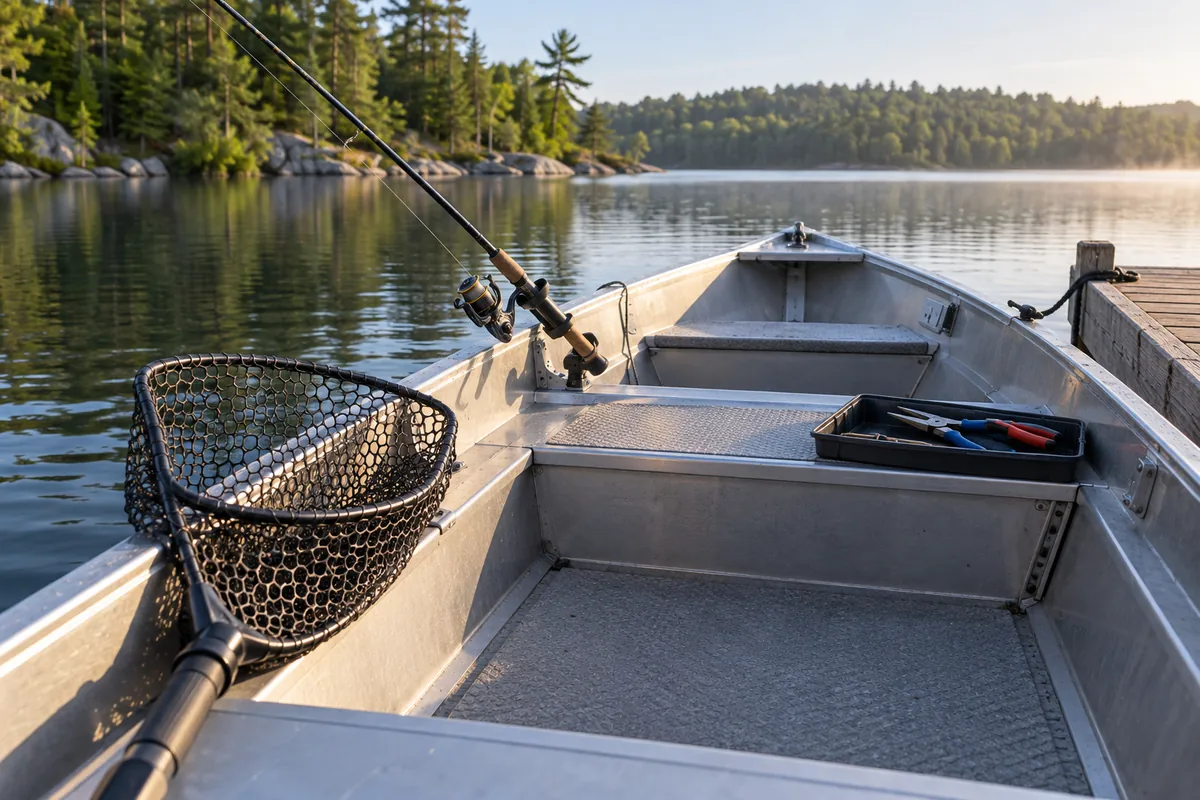
Bring a suitably large landing net, long pliers, hook cutters and any other release gear the guide requests. Decide who will manage the rod and who will handle the net. Keep fish supported in the water while arranging the next step wherever practical.
If releasing the fish, keep air exposure and handling brief. Get advice on supporting it safely and keep fingers clear of the mouth and gill tissue. Leave an awkward photograph unmade. The aim is to finish the landing cleanly, with a fish ready to swim away and the people aboard ready to fish again.
Patience still needs a plan
Keep a sensible daily routine: food, water, breaks and a clear return time. If weather prevents the intended run, ask whether another route is suitable rather than insisting on reaching the same distant shore. A muskie holiday can include a slower day without losing its purpose.
Read Ontario’s current fishing summary for the exact water and target species. Size rules, seasons and named exceptions deserve a fresh check. Compare the Northern Pike guide if you are still choosing a fishing focus, then return to the muskie plan with clear expectations. Good preparation leaves more of the day available for the cast in front of you.