Perch and panfish can make a short Ontario fishing outing feel complete. A float tips, a small jig reaches the right depth, and there is a reason to make another cast. These fish deserve more than a casual line dropped from the dock between other activities. A little care with tackle and location gives the day a useful shape.
They can also suit a first fishing trip. A manageable shore spot or a short boat route keeps the attention on casting, watching the line and landing a fish. Choose the outing for the people coming, rather than measuring it against a longer trip made for different anglers.
Panfish covers several fish
Yellow perch, pumpkinseed, bluegill, rock bass and crappie are different species. The shared word panfish is convenient in a conversation about small tackle, but it does not give them one set of rules. Learn the fish in your chosen water using Ontario’s official identification information.
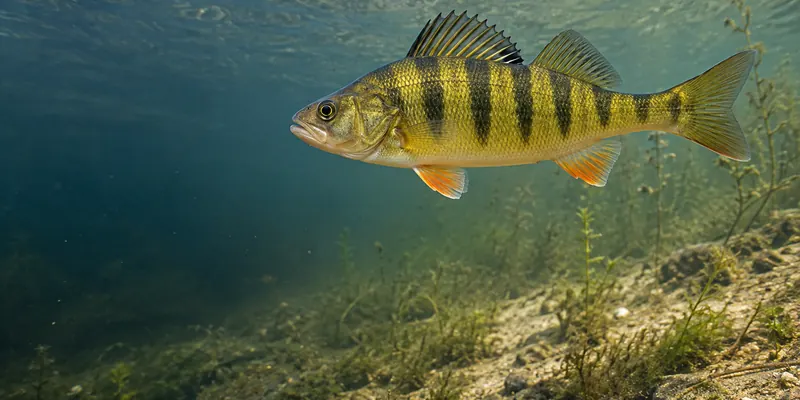
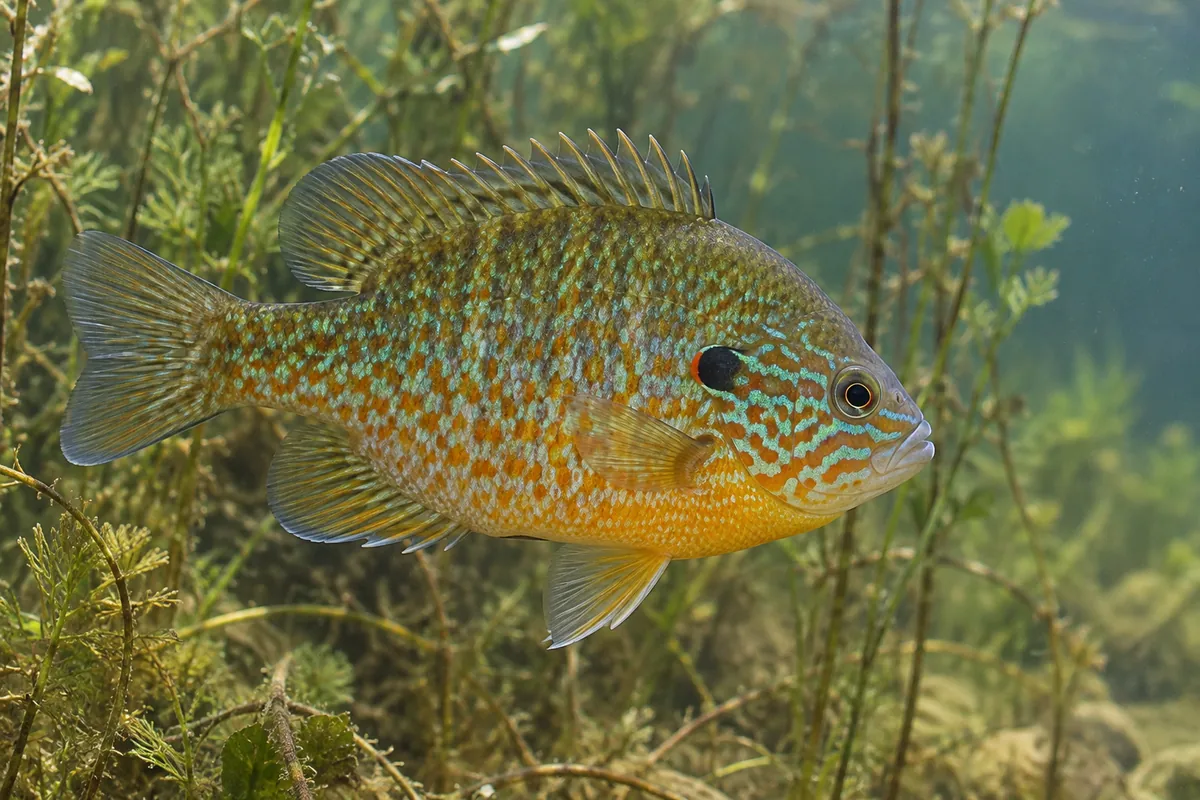
Yellow perch have dark vertical bars along golden or greenish sides. Pumpkinseed are deeper-bodied sunfish with colourful cheek markings. These clues help start the identification, but other species need their own check. When keeping fish, settle the name before applying a limit or assuming the catch belongs in the same group.
A dock session needs the right dock
Ask the accommodation owner where fishing is permitted and where swimmers or boat traffic need space. A quiet section with safe footing, suitable water and room to cast can be a useful first choice. Keep spare hooks covered and equipment away from the walking route.
Bring a landing plan that fits the height of the dock. Reaching too far over the edge after a fish is a poor finish to an otherwise easy outing. For children, have an adult manage the net and hook removal until those steps have been taught properly. Pick a place where the group can stand and move comfortably.
Small tackle gives a clearer lesson
A light rod, a small hook and a float can make bites easier to follow. Ontario’s beginner fishing guidance recommends small baits for small species. Keep the rig simple enough that the angler knows what each part does and can put it in roughly the same place again.
Adjust the depth before making several other changes. A bait held too far above the useful water may get less attention than one placed nearer it. Ask about the chosen fish and spot, then work through one adjustment at a time. Small jigs offer another method when the angler is ready to feel the lure rather than watch a float.
Perch from a boat is another day
An organised perch outing can be a fishing trip in its own right, including on suitable Great Lakes waters. Ask a guide or charter operator about the target, method and expected boat time during your dates. A perch day and a salmon trolling day can share a lake while needing very different bookings.
Keep the boat tidy, with tackle and bait where everyone can reach them safely. Have the landing and handling tools ready. If a legal meal is part of the outing, bring a cooler and ask about cleaning arrangements. Choose the trip for what the group wants to do, rather than assuming the smallest fish always make the simplest boat day.
Crappie need a local conversation
Crappie can be part of selected Ontario lake plans, including Rainy Lake. Their presence on a regional species list does not tell you which bay or depth will suit the visit. Ask how that fishing fits your dates and whether it lies within a practical route from the base.
Let the operator recommend equipment for the method. A guided introduction can be useful when the fishing requires finding a particular area instead of settling at the nearest dock. Keep expectations tied to the actual water. A mixed panfish list is a starting question, not a promise of several species on every outing.
Give new anglers time to learn
Begin with casting room, a clear instruction and a task the angler can repeat. Show how to watch the float or line, set the drag and keep the hook away from others. Let a missed bite be another try rather than a reason to change every part of the rig.
Bring snacks, appropriate lifejackets for a boat outing and a sensible finishing time. Take breaks when attention drifts. A child who wants another short trip tomorrow has had a useful first day, even if the catch stayed small. Keep the group’s comfort part of the plan from the beginning.
Keep the rules species-specific
Read the current Ontario fishing summary for the water, species and licence involved. Panfish limits and seasons are not one province-wide rule. If retaining fish, check current consumption advice for the lake and the people who will eat them. That check is separate from the legal harvest allowance.
For a cottage-country option, read Haliburton Lakes, then confirm the fish and access beside your chosen accommodation. Our Bass guide offers another step for anglers ready to spend more time casting. Keep the first panfish plan simple: a suitable place, small tackle and enough time to learn what a bite looks like.