A pike can change a quiet casting session in a hurry. One moment the spoon is clearing the outside of the weeds; the next, there is weight on the rod and a reason to have the landing net ready. Ontario pike fishing suits anglers who enjoy moving along a shore and putting each cast somewhere useful.
It also rewards preparation. A suitable leader, long pliers and a clear working space belong aboard before the first lure goes over the side. Choose a lake and a daily route that suit the boat, then let the water decide how you fish it. A big provincial species list is no substitute for knowing the bay outside your landing.
Find pike water close to the base
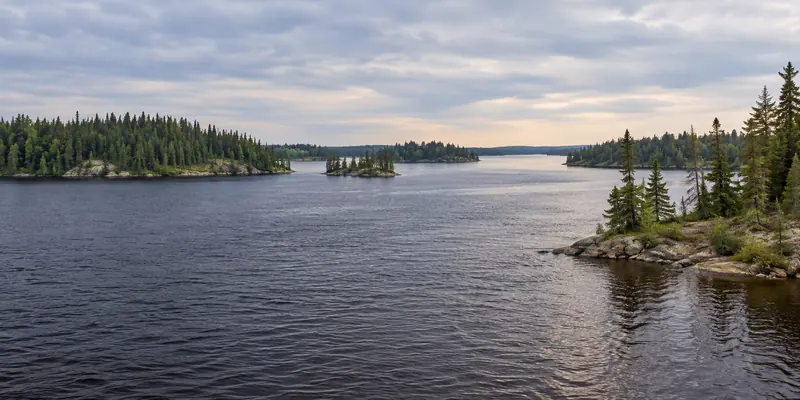
Rainy Lake, Lac Seul and Lake of the Woods are useful northern choices to compare. Each has more water than a visiting angler needs to cover in one holiday. Ask about pike fishing near the proposed base rather than judging a booking only by the lake’s reputation.
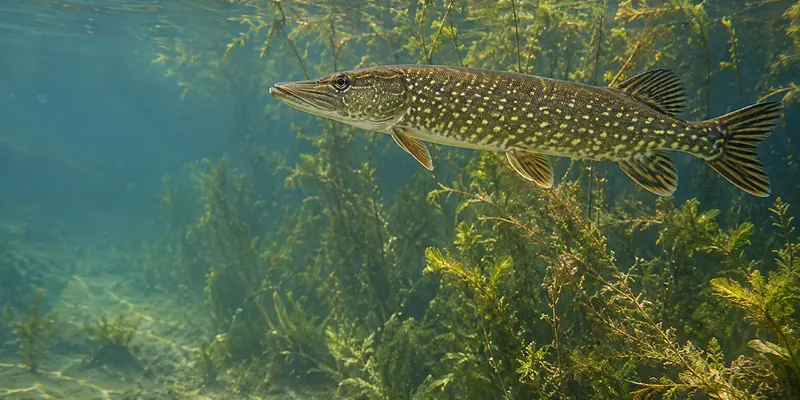
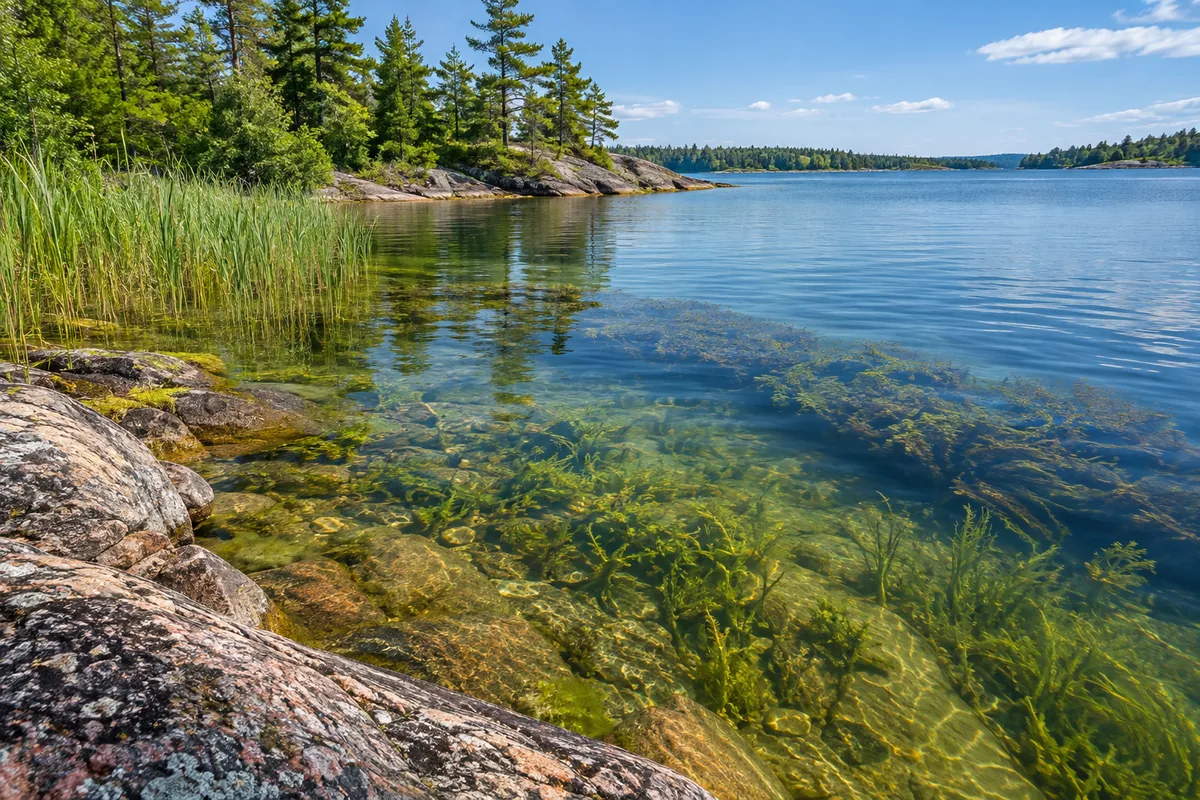
Ontario’s pike notes point anglers toward vegetated bays, creek mouths and shoals. Those are habitat clues, not directions to cast into any creek entrance you find. Check the chart, the rules and local conditions. Some trips may spend more time on rock or deeper edges than in a shallow, weed-filled bay.
Start outside the cover
When approaching a bay, fish the outside edge before pushing the boat inward. Keep enough distance to cast without running over the water you intend to work. A change in plant growth, a gap in the cover or a nearby drop can give the retrieve a clear route.
Cast from positions that let you control the lure and keep hooks away from anyone else aboard. Work a section carefully, then move enough to reach new water. If the boat drifts too quickly, reposition rather than rush each retrieve. The point of moving along the shore is to make useful casts, not count them.
Carry tackle that fits the job
Spoons, spinnerbaits, in-line spinners and minnow-shaped lures give a practical starting selection. Choose a rod and line suited to the size and weight of the lure. A lure that overloads a light rod is a poor way to begin a long casting day.
Use a suitable bite-resistant leader and inspect it, its knots and its clips regularly. Keep a spare ready. If a lure collects plants on every cast, change the angle or choose something that passes through that cover more cleanly. A small working box of suitable lures is easier to use than a large box opened at every stop.
Rock belongs in the conversation
Pike fishing need not stay in vegetation. A point beside a bay, a rocky shelf or a break near suitable feeding water may deserve attention. Ask a guide which kind of water fits your dates, and why. Do not turn a spring description of a shallow bay into a rule for the whole season.
Keep notes on depth and the places where fish follow or strike. Compare similar shorelines nearby, while allowing for wind and boat control. The first fish of the day can help set a useful pattern, but it does not mean every fish is holding at that depth or on that kind of bottom.
Make the landing a quiet routine
Have a net sized for the fish you intend to catch, long pliers and suitable hook-removal tools ready. Keep hands away from the mouth and gill tissue. If you are new to handling pike, have a guide teach the method before trying to manage a large fish alone.
Keep the fish in the water while arranging the next step where practical. Support it properly for a brief lift and return it promptly if releasing it. Avoid laying fish on dry boat flooring or stretching out the landing for photographs. A good release begins with the boat being ready, not with searching under seats after the fish is netted.
Let the trip suit the anglers
A full day of casting can be hard on shoulders and hands. Break it into sessions when the group needs that. Choose accommodation and a landing that leave useful fishing water close by, so a shorter afternoon does not require a long return run.
For a family or a first-time angler, a guided half day can help with casting, lure choice and safe fish handling. Tell the operator about the group’s experience and ask what equipment is supplied. A guide who knows the water can also help choose a route that remains comfortable when the weather alters the original plan.
Check the fish, the water and the date
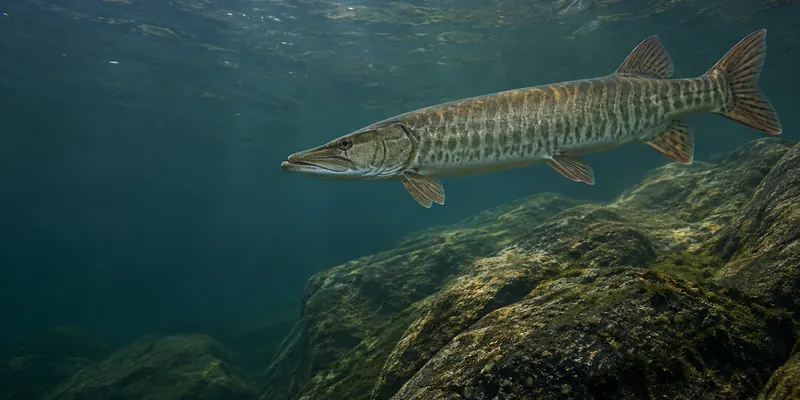
Northern pike and muskie are different fish with different rules. Learn their identifying features using Ontario’s official species information. Pale spots on darker sides are a useful pike clue, but a quick glance at colour alone is not enough to settle every identification.
Read the current Ontario fishing summary, including the exact water’s exceptions, before targeting pike. If a legal meal is part of the trip, check consumption advice too. Compare our Muskie guide for the larger-gear side of the conversation, or try Read the Lake. Then keep the day simple: a workable shoreline, tackle you can control and a landing plan already in place.