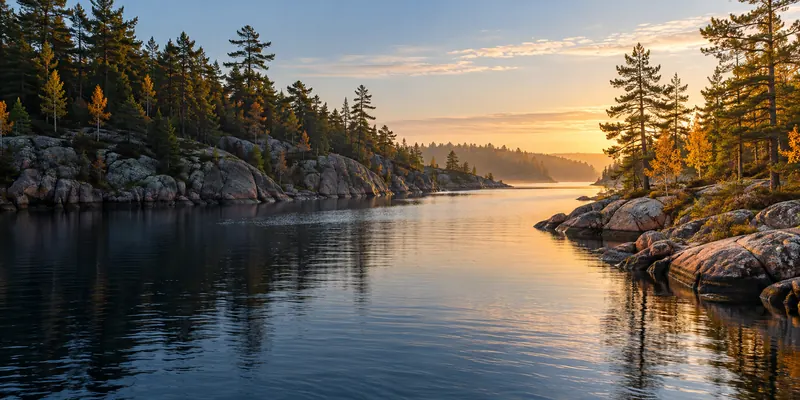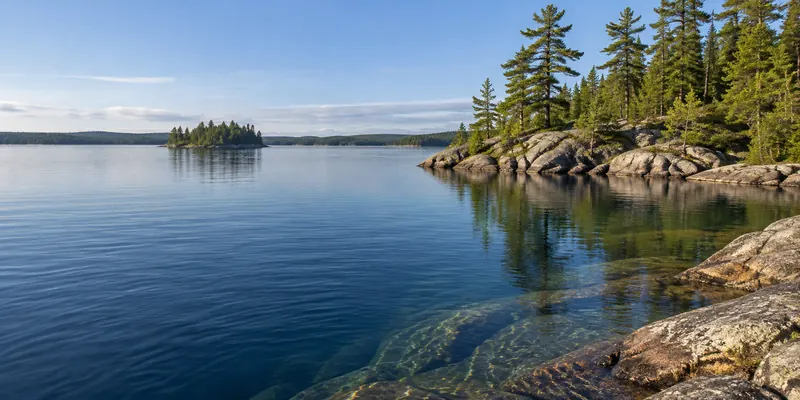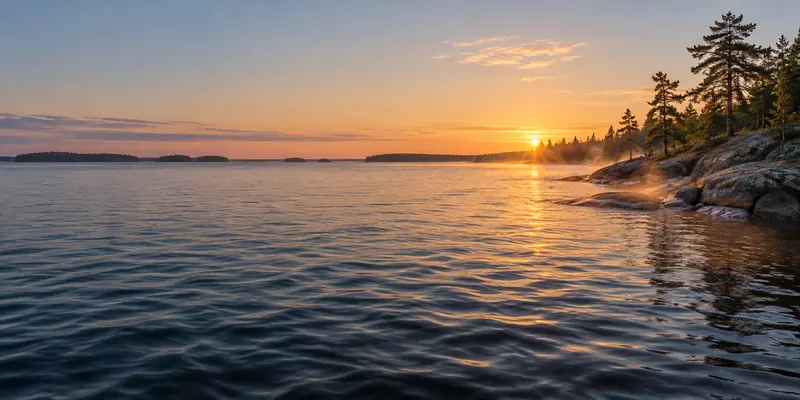
Lake Nipissing gives you 87,325 hectares of water to work with, yet its mean depth is only 4.5 metres. That pairing explains much of the fishing here: a broad, shallow main lake, a scattering of islands and several bays where a change of shoreline can matter more than a long run. North Bay, Callander and West Nipissing put anglers on different sides of that same water.
For a walleye trip, start with two things you can settle before launching: the departure point and the Lake Nipissing rules. This lake has its own seasons and harvest sizes within Fisheries Management Zone 11. A rule remembered from another northern lake is a poor substitute for the named-water entry.
The facts before the trip.
- Lake area
- 87,325 hectares (873.25 km²) in Ontario’s published lake data review.
Source ↗ - Mean depth
- 4.5 metres in the same lake profile.
Source ↗ - Maximum depth
- 52 metres near the French River outflow; a profile figure, not a navigation chart.
Source ↗ - Fishing zone
- FMZ 11, with separate Lake Nipissing seasons, sizes and sanctuary entries.
Source ↗ - Main launch choices
- North Bay Waterfront Marina; Champlain Park; Cache Bay Government Dock; Lavigne Government Dock; Holditch Street.
Source 1 ↗ Source 2 ↗ Source 3 ↗ - 2026 marina launch fee
- North Bay Waterfront Marina: $18.45 per launch or $84.08 per season, plus HST.
Source ↗
2026 fishing rules checked . Lake profiles and municipal maps may have earlier source dates. Read the full named-water and sanctuary entries before fishing; confirm launch conditions before travelling.
How big and deep is Lake Nipissing?
Ontario’s published lake data review lists an area of 87,325 hectares, or 873.25 square kilometres, a mean depth of 4.5 metres and a maximum of 52 metres near the French River outflow. Those are lake-profile figures, not a depth chart for steering a boat. The main basin is much shallower than that isolated deepest water.
The French River is the lake’s only outflow. The Sturgeon, South, Veuve and Amateewakea rivers are major inflows. Cache Bay, Callander Bay and the West Arm give the map recognizable starting areas. Choose the one nearest the water you want to fish rather than planning an unnecessary crossing of the main lake.
Boat launches: start with a name and an address
North Bay Waterfront Marina has a launch ramp at 225 Memorial Drive. The city’s 2026 launch fee is $18.45 per launch, plus HST; the listed seasonal launch fee is $84.08 plus HST. Check the current marina fees and operating arrangements before towing in.
Champlain Park is at the south end of Premier Road beside the La Vase River. The Champlain Park Boat Ramp is also a named boundary point in the lake’s fishing exception. It gives the eastern shore another place to consider when choosing a departure, without making a drive into the waterfront marina necessary for every outing.
West Nipissing lists Cache Bay Government Dock on Dock Road, Lavigne Government Dock on Highway 64 South and the Federal Government Dock on Holditch Street in Sturgeon Falls. Holditch is a river departure, so include that boat ride in your plan. The municipality also lists Minnehaha Bay at 300 King Street. Read its boat-launch and docking page and current notices for dock installation, repairs and seasonal conditions. A listed ramp is not a guarantee of access on the day.
Walleye rules for 2026
The 2026 Nipissing walleye season is January 1 to March 15 and May 16 to October 15. May 16 is the third Saturday in May this year. The Sport limit is two walleye and the Conservation limit is one; a retained walleye must fall within the 40–45 cm harvestable range. Fish outside that range must be released.
These are daily catch and possession limits, not an allowance to keep another full limit on each day of a holiday. Check the Lake Nipissing exception in Zone 11 before fishing. The exception also covers specified connected waters, including the Sturgeon River to the dam at Sturgeon Falls and the entire West Arm, including Cross Lake.
| Fish or closure | 2026 dates | Harvest check |
|---|---|---|
| Walleye | January 1–March 15; May 16–October 15 | Sport 2; Conservation 1. Keep only fish within 40–45 cm. |
| Yellow perch | January 1–March 15; May 16–October 15 | Check the Zone 11 limits and any additional named-water conditions. |
| Muskie | June 20–November 30 | Sport 1, greater than 137 cm; Conservation 0. |
| All species | No fishing March 16–May 15 or December 1–31 | Applies to the lake and the connected waters named in its exception. Additional sanctuaries have separate dates. |
These are selected Lake Nipissing rules, checked for 2026. Sport and Conservation limits are different. Extra sanctuary closures and the legal description of connected waters still apply. Use the full 2026 summary and the current Zone 11 entry. Recheck next year and before each trip.
Perch, pike and muskie have different checks
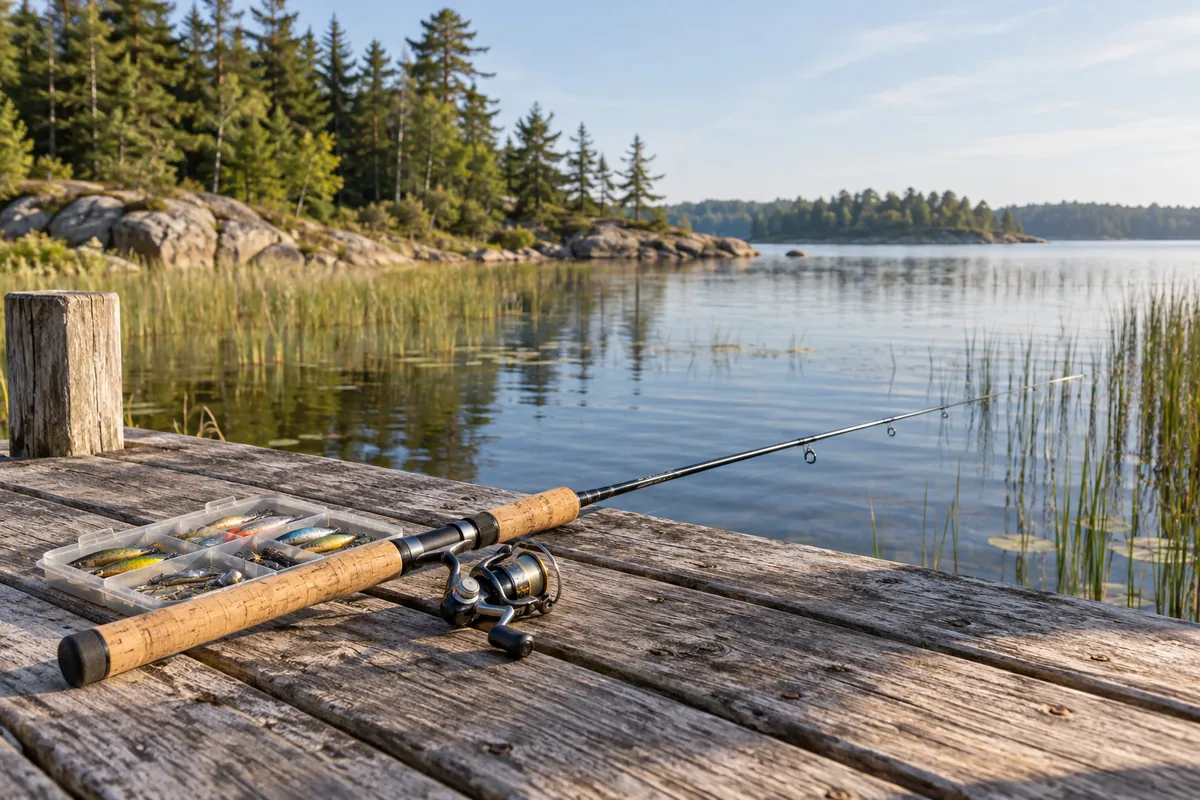
Yellow perch share the January 1–March 15 and May 16–October 15 seasons. Muskie fishing opens June 20 and closes November 30 in 2026. The muskie Sport limit is one fish greater than 137 cm; the Conservation limit is zero. A muskie outing needs suitable tackle and a release plan regardless of whether keeping a fish is legal.
For northern pike, the lake’s exception sets Sport four and Conservation two, with no more than one over 61 cm and none over 86 cm. The entire listed Nipissing water is closed to fishing for every species from March 16 to May 15 and December 1–31. Additional sanctuaries have their own boundaries and dates. Around Iron Island, and near Wasi Falls and the Wistiswasing River mouth, read the actual exception before choosing a casting location.
Work a short piece of water properly
For walleye, pick a point, bay edge or change in bottom that you can follow through a few controlled passes. Record the depth of a bite, the wind and whether the fish came from the shallow or deeper side. Change jig weight when you lose contact with the bottom rather than assuming one weight fits the whole lake.
For pike, prepare a leader and long pliers before the first cast. A bass rod or a perch setup gives the boat another legal target when the date and location allow it. Keep the species rules beside the fishing plan; the presence of fish does not settle whether you may target them.
Open water and winter are separate trips
The main lake leaves plenty of room for wind to build waves. Keep a shorter route available, wear a lifejacket and start the return while the choice is still comfortable. Neither the lake’s modest average depth nor a quiet launch proves that an open-water crossing suits your boat.
For ice fishing, ask the operator about access, transport, equipment and the day’s conditions. The December closure matters when choosing dates. A photograph of huts or vehicles does not approve an ice route. The summer launch list and the winter access arrangements need separate checks.
Compare the French River guide for a channel-based trip, or return to Northeastern Ontario for other waters. Nipissing rewards a useful starting shore, a clear rules check and enough time to learn the piece of lake in front of the boat.