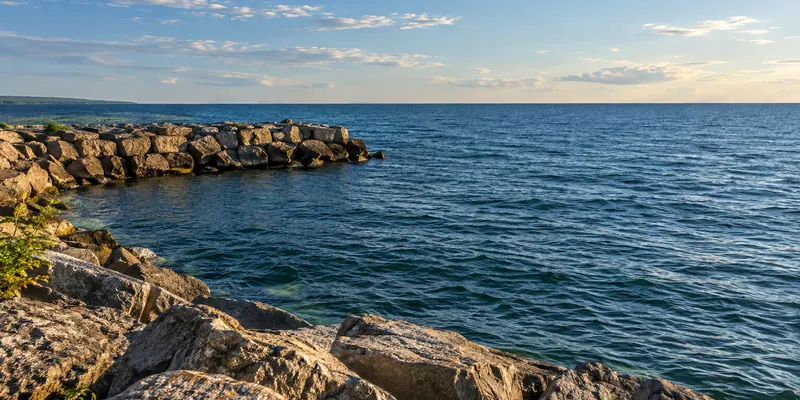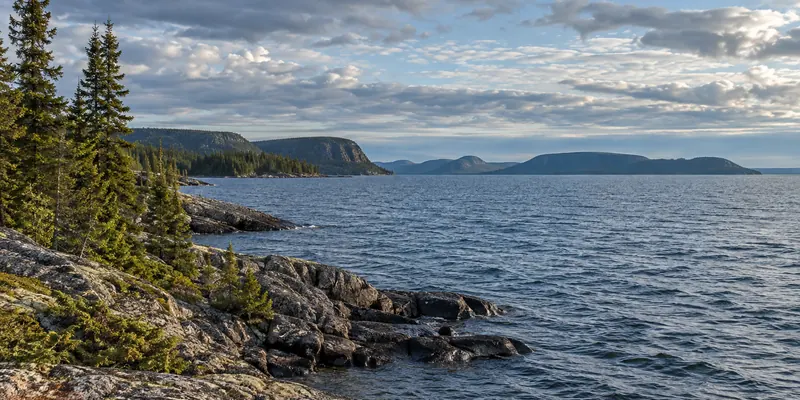
Lake Nipigon puts a lot of water between an angler and the far shore. The first impression is scale: a broad cold horizon, wooded islands and stretches of exposed lake that deserve a properly chosen boat. This is a trout trip to plan around a particular landing and guide, not simply a town name typed into a road map.
Keep three names separate from the start: Lake Nipigon, the Nipigon River and Lake Superior’s Nipigon Bay. They are connected parts of the country, with different fishing days and access questions. A booking described as “Nipigon fishing” needs one more question. Which water will the boat leave shore on, and which fish is the day intended to find?
Start with the lake you mean
Destination Ontario identifies lake trout as a main reason anglers travel to Lake Nipigon. Northern Ontario’s regional tourism writing also documents brook trout and northern pike fishing on the lake. Choose a main target before discussing tackle. A lake trout outing and a day casting shoreline water for brook trout may need different equipment and routes.
Get a clear description of the trip from the operator: the landing, the likely part of the lake, the boat, the daily hours and the weather alternative. Ask whether tackle is supplied and whether your own rods suit the work. These are useful details even for anglers who have fished plenty of smaller northern lakes.
Lake trout and the water beneath you
Lake trout make depth part of the fishing plan. A chart shows where shelves and steep breaks sit in relation to a landing; sonar helps tell the story beneath the boat on the day. The point is to place a lure deliberately, with a repeatable route, rather than simply troll until something happens.
Ask how the guide will fish during your visit. Trolling gear, vertical jigging tackle and ordinary casting rods do different jobs. Bring the equipment requested for the method being used. On a guided day, there is value in watching the boat’s course and listening to the reasons for a turn, a depth change or a return pass.
Brook trout deserve their own day
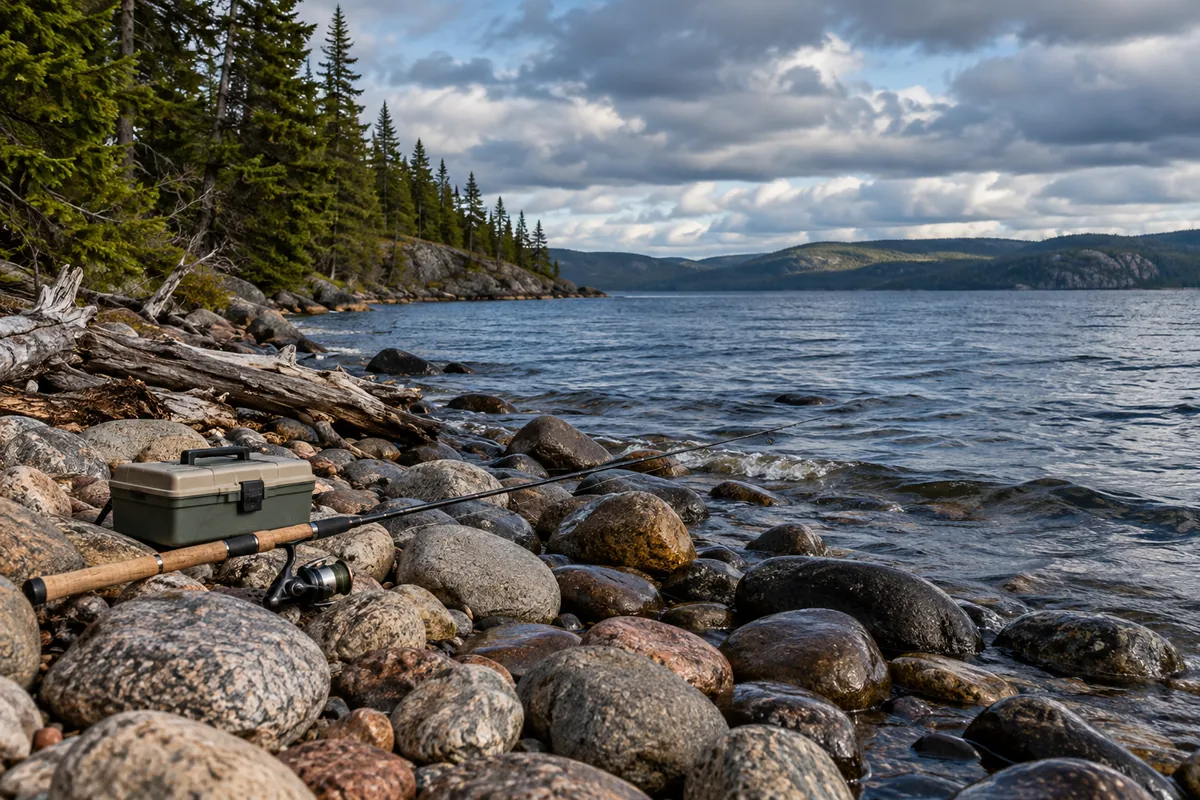
Brook trout are a strong part of Lake Nipigon’s fishing identity. Give them time in the itinerary if they are the reason for coming. Ask which shoreline water can be reached from your base and how the guide handles the fishing in the conditions expected during your visit.
A box of spoons, minnow-shaped lures or flies is only useful when it suits the day’s method. Check hook arrangements and any lake-specific rules before packing. Have the landing net and release tools ready before a fish arrives. Keep handling short, support the fish carefully and listen to the guide’s advice about returning it promptly.
A pike option, when it fits
Lake Nipigon also offers northern pike fishing, but a trout holiday does not need a second target forced into every afternoon. Ask whether suitable pike water sits near the day’s route and whether the guide recommends it for your dates. A good change of pace should fit the boat plan as well as the tackle box.
If pike are part of the booking, carry leader material and tools meant for them. Secure spare rods before moving between areas. A lure left loose beside a seat, or a heavy net across the walking space, is an avoidable nuisance when the lake puts motion under the boat.
The boat and the forecast
Describe your group honestly when choosing a trip. Children, first-time anglers and anyone uncomfortable in rough water may need shorter outings and a more sheltered route. Ask the operator how weather decisions are made and what happens to the booking when the planned water is unsuitable.
Pack for cold air and spray even when the drive north feels like summer. Wear a suitable lifejacket, keep a dry layer in a sealed bag and carry the communication equipment appropriate to the route. The return journey belongs in the morning’s decision. A calm departure is only one part of the day’s forecast.
Access is a specific question
Do not assume that staying in the town of Nipigon puts you directly beside a Lake Nipigon launch. Ask for the actual meeting location, driving time and road conditions. If bringing a boat, confirm launch depth, trailer parking, local permissions and overnight storage with the person responsible for that access.
Use current maps and the operator’s directions together. Leave enough time for the final road section without rushing it at dawn. If a landing or road is on land managed by a community or private owner, get the required permission. A line on a map is not an invitation to park or launch wherever it meets the water.
Rules for the right water
Read the current Ontario fishing summary, including Lake Nipigon’s named-water exceptions. The river and lake need separate attention. Seasons, methods and limits should come from that current official source, not from a remembered rule or an old trip report.
Then keep the holiday focused. Allow a weather day, leave time to dry clothing and tackle, and resist scheduling a distant second water just to fill the map. Our Northwestern Ontario guide gives the wider setting. The Great Lakes guide puts nearby Lake Superior in its own context. Lake Nipigon earns a trip of its own when the water, boat and target fish are chosen together.