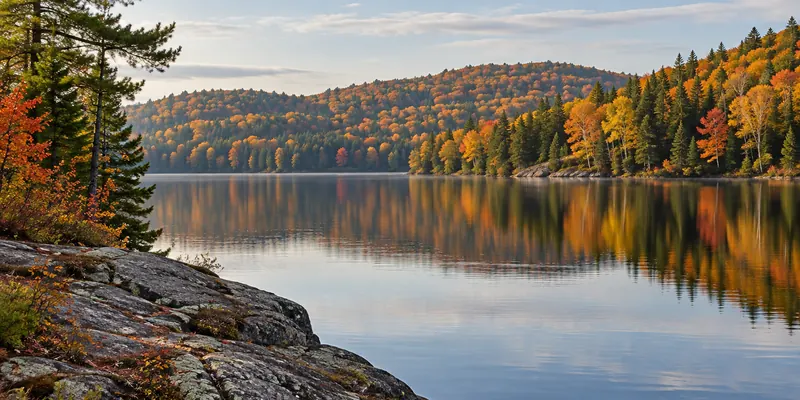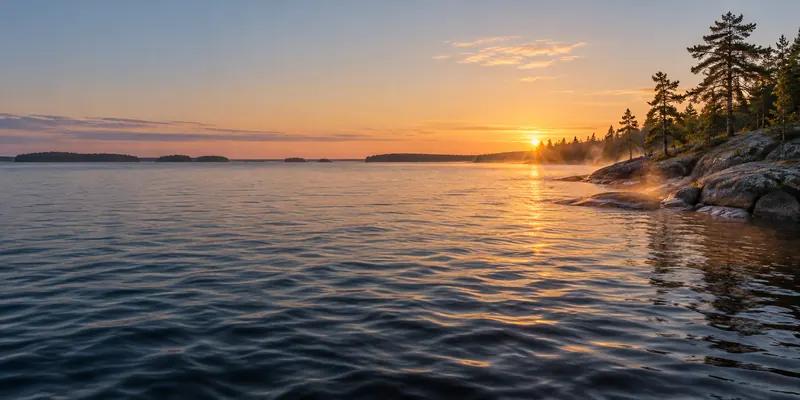
Muskoka fishing can begin with a boat already tied at a cottage dock, or with a trailer backed toward a public ramp before the roads get busy. Both trips improve when the lake is chosen before the tackle. Lake Muskoka, Lake Rosseau and Lake Joseph share a cottage-country setting, but the water beside one rented cottage may offer a very different day from the bay outside another.
The appeal is the mix: rock and islands, sheltered coves, deep water and towns close enough to give a wet afternoon another direction. You can fish seriously here without making the whole holiday follow a fishing schedule. The trick is to keep the intended fish and the daily route in view when choosing a base.
The big three, and the smaller water
Lake Muskoka, Rosseau and Joseph are useful names to start with. Destination Ontario’s regional fishing guide lists bass and lake trout among the species associated with these waters. Other Muskoka lakes and rivers add different choices, including pike and walleye fisheries. Check the actual lake rather than carrying a regional species list into every booking.
A smaller water may suit a short family outing better than a broad route on one of the big lakes. Ask about shoreline shape, launch access and sheltered alternatives. The nearest lake is not always the most useful one for your boat or the people aboard it. Choose a day you can comfortably repeat.
Smallmouth: follow the rock underwater
Rocky points and islands give a bass angler plenty to look at. Read the contour lines as well as the shore. A low point may continue as a shelf under the water; a steep bank may offer only a narrow ledge. Either can be worth a cast, but each calls for a different boat position.
Tubes, small soft-plastic minnows and crankbaits provide a workable starting box. Change the depth you fish before changing every lure. Keep track of where a bite comes from and try that depth on a similar piece of shoreline. Casting accuracy matters around docks and boats. Give occupied shoreline space and avoid sending hooks across someone’s property or mooring.
Largemouth: make time for the bays
Muskoka also has largemouth bass fishing. Bays with aquatic plants and gentler shoreline can offer a change from working bare rock for smallmouth. Ask which parts of your chosen lake suit that approach. A promising-looking reed edge on a road map still needs a local access and fishing check.
Use tackle suited to the cover, keep the boat off the plants and work the outside edge before moving closer. A weedless soft plastic can make a straightforward start. For a novice, a short session with one method is often more useful than a boat full of rods and several competing instructions.
Lake trout need another plan
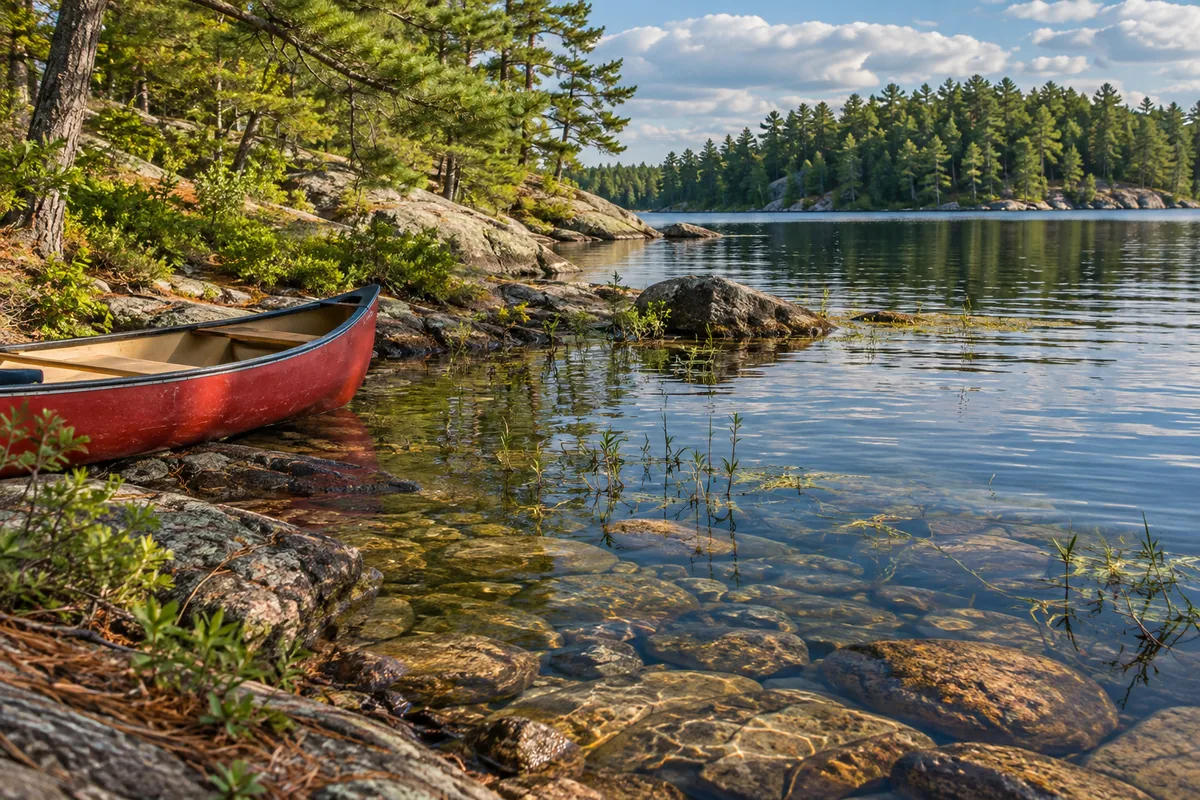
Deep water puts lake trout within the Muskoka conversation, but the gear for a shallow bass morning may not suit a trout afternoon. Ask a guide about the method used during your dates, the equipment supplied and the depth they expect to fish. A planned trout day is easier to prepare for than an improvised attempt between cottage errands.
Be clear about your purpose, too. If releasing trout is the aim, discuss how the guide handles fish brought up from depth and whether the current conditions suit that plan. Keep tools ready and handling brief. Do not let the desire for a photograph turn a short landing into a lengthy one.
A cottage booking needs water questions
Ask whether the rental includes a boat, whether its use is permitted for fishing and what equipment comes with it. If bringing your own boat, confirm the launch, trailer parking, dock depth and mooring space. A waterfront view does not necessarily give you a suitable place to leave a boat overnight.
Check the route between the launch and accommodation. Bridges, connecting waterways and boat passages should be researched for your craft rather than assumed from a map. Stay within a part of the lake you can navigate comfortably. Save the return track, carry a current chart and keep a shore plan available when the forecast discourages boating.
Put the rules beside the map
Read the current Ontario fishing summary for the exact water, with its named exceptions, before choosing dates and species. Check public launches with the municipality or operator responsible for them. Seasonal hours, parking and access arrangements can change. Old directions from a friend deserve a fresh check.
Our Central Ontario guide gives the wider cottage-country setting. Compare the Haliburton Lakes guide if you are still deciding where to stay. Once the cottage is booked, leave some afternoons loose. A good Muskoka week has room for a carefully fished point and a dry place to watch the rain from shore.