Haliburton fishing is a choice between lakes before it is a choice between lures. A cottage-country bay, a deep trout water and a lake reached by canoe can all fit under the same regional name. They do not make the same holiday. Start with the fish you want to target, the boat you have and the amount of travel you want in a day.
The Highlands have wooded hills, rock shorelines and water close enough to a cottage week that fishing need not take over every hour. There is also a backcountry paddling side to the region. Give those two plans their own space. A road-access cottage stay and a canoe-camping route require different packing, access checks and expectations.
Pick one lake as the centre
Regional tourism information lists bass, walleye, northern pike, lake trout and muskie among the area’s fishing options. That is a regional list. Ask which fish are present in the lake beside the accommodation and which are realistic targets during your visit. A booking should come with the water’s name, not just “Haliburton fishing.”
Put names such as Kashagawigamog, Gull, Boshkung and Halls Lake on the first shortlist, then check each against your fish and boat. Haliburton and Minden give the trip town options, while municipal boat-access pages help with the landing question. Confirm current conditions with the responsible township. A close, suitable lake can be a better weekly base than another hour on the road.
Bass make a manageable start
A bass day can suit anglers who want to cast rather than spend the morning learning specialised trolling gear. Look for a lake and a route with a useful mix of rock, points and sheltered shoreline. A local guide can help decide whether smallmouth or largemouth better fit the water near your base.
Keep the tackle box small enough to use well. Carry a few jigs and soft plastics, a moving bait and the release tools the fish need. Work one shore section carefully, note the depth of any bites and try similar water nearby. For a newcomer, learning how a single lure feels against rock or vegetation is a good morning’s work.
Deep trout water is a separate outing
Lake trout add another kind of trip to the Highlands. A lake’s depth, trout population and current rules matter more than the view from the dock. Ask an operator whether your chosen water has the fishery you intend to pursue and what equipment the day will use.
Trout methods may call for depth control that a cottage rental boat does not provide. A guided outing can be a practical way to try the fishing without guessing at tackle. Discuss fish handling, the intended catch and the likely water conditions beforehand. A clear plan keeps the day from becoming a long experiment with gear unsuited to the job.
Walleye, pike or muskie: ask for the lake
If one of these fish is the main reason for travelling, choose the water around that purpose. Ask a guide how the target fits your dates and whether the lake can be fished from the boat available to you. Avoid building a week around a fish that appears only in a general regional description.
Muskie in particular deserve tackle and landing equipment selected for them. Pike also need suitable leaders and safe handling tools. Make those decisions before renting a boat or packing the truck. A short guided day on the right water is a more useful introduction than a week of hoping your ordinary bass equipment will serve every purpose.
The canoe route has its own booking
The Haliburton Highlands Water Trails are managed by the Township of Algonquin Highlands. The system includes the Frost Centre and Poker Lakes canoe-route areas. Use the township’s current route, campsite and access information when considering a fishing-and-paddling trip. The campsite booking and the fishing rules are separate checks.
Choose a route for the group’s paddling and portaging ability, then decide where fishing can sensibly fit. Leave time to establish camp in daylight. Pack tackle so that hooks are covered during carries, keep the boat uncluttered and take a map that works without reception. A lighter fishing kit often earns its place when every extra item has to cross a portage.
Give a cottage day a simple shape
For a family trip, begin with an outing close to the base and a clear return time. Have lifejackets that fit, snacks within reach and a landing plan that does not require a child to lean over the gunwale. Leave enough room aboard to move safely when a fish is hooked.
Shore fishing can be useful too, when access is permitted and the footing suits the group. Ask the accommodation owner where fishing is allowed and where swimmers or boat traffic need space. A dock does not have to carry every activity at once. Pack the rods away when the group changes from fishing to swimming.
Autumn colour is a setting, not a season rule
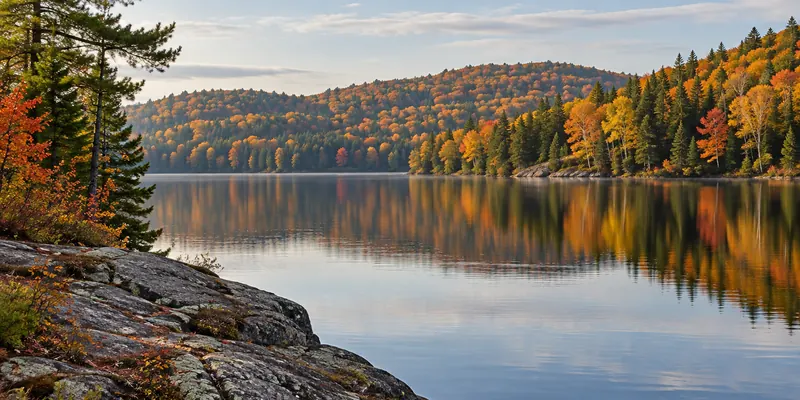
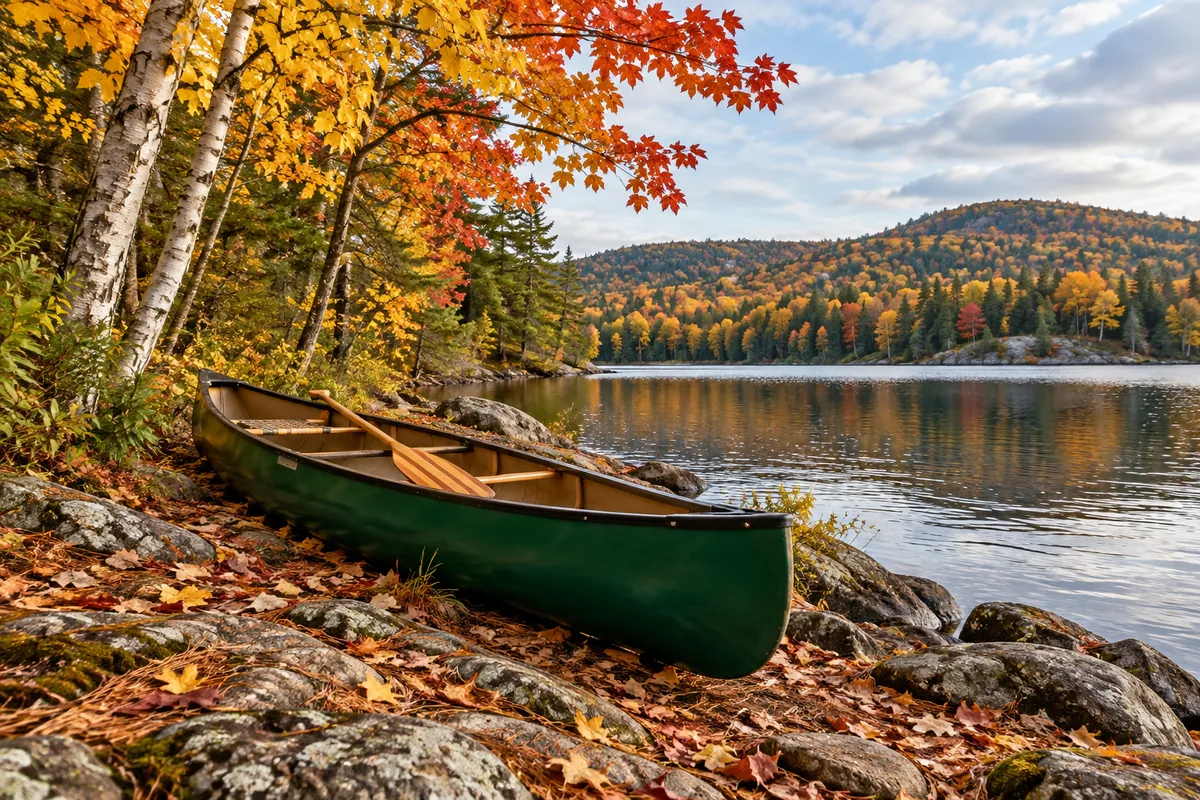
The wooded hills can make a fall visit appealing, but colour on the shore says nothing about whether a particular fish is open to angling. Check Ontario’s current summary for the lake and target, including named-water exceptions. Ask about the operating dates of the launch, boat rental and accommodation as well.
Keep a weather alternative in the week, and avoid treating a canoe route or cottage dock as dependable winter access. The Central Ontario guide puts Haliburton in context; the Muskoka Lakes guide gives another cottage-country option. Choose the water carefully, then give it time. Two unrushed days on the same lake can teach you more than a week of chasing a new turnoff each morning.