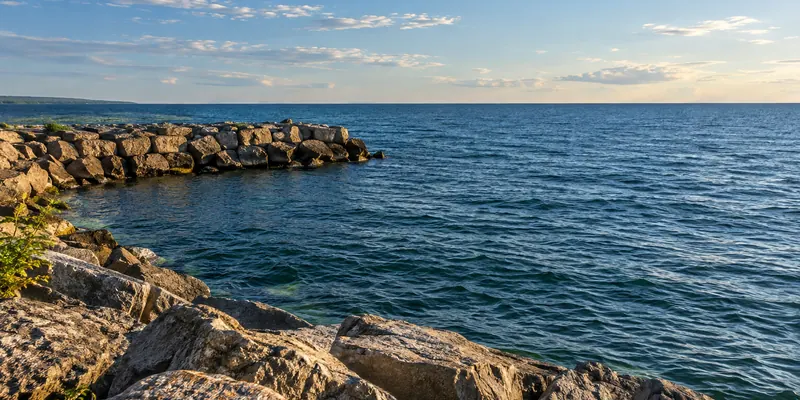
Lake Erie gives Ontario anglers several ways to spend a day on Great Lakes water. A walleye charter, a perch trip and a bass outing near a chosen shore need different equipment and daily routes. Start with the port and the fish. Then check the weather, ramp arrangements and current fishing rules before building the rest of the holiday around them.
The facts before the trip
- Fishing zone
- Ontario's Lake Erie waters are in FMZ 19, with zone boundaries and named exceptions to check.
Ontario FMZ 19 overview - Lake setting
- Ontario describes Erie as the shallowest and most productive of the Great Lakes.
Ontario FMZ 19 overview - Main fisheries
- The province lists walleye, yellow perch, rainbow trout and bass among the recreational fisheries.
Ontario FMZ 19 overview - Named public ramp
- Sugarloaf Marina, Port Colborne. The municipal ramp has seasonal operation and posted launch and harbour rules.
Port Colborne public boat-ramp rules
Sources checked November 19, 2026. Read the current annual rules and any later notices before fishing.
Settle the harbour details before departure
Port Colborne's Sugarloaf Marina has a public launch with posted conditions. The municipality lists parking with its ramp passes, prohibits fishing within the harbour and does not permit non-motorized craft to launch at this ramp. Read the current ramp page before choosing it for a canoe, kayak or trailer boat.
If another port is closer to the intended fishing, check that municipality or marina directly. Confirm hours, launch suitability, trailer parking and the return arrangements. A harbour name on a fishing map does not tell you which services are open on your travel date.
Ask a charter captain about the whole day
Tell the operator whether your group wants walleye, perch, trout or a general introduction. Ask about trip length, equipment, washroom arrangements, fish cleaning and the plan if weather changes the route. Check what happens to the booking if the captain cancels.
For a first Great Lakes outing, the useful part of a charter can be learning how the boat works as a fishing platform. Ask about moving around the deck and helping with a landing. Keep spare bags and clothing where the crew directs so they do not crowd working space.
A walleye pass needs a repeatable setup
If fishing from your own boat, begin with methods and equipment you know how to manage. Record lure depth, boat speed and the direction of travel when a fish strikes. Keep enough room to clear lines and net a fish without rushing the rest of the crew.
Use the current FMZ 19 species and water entries for seasons, sizes and possession limits. Do not carry a Bay of Quinte or northern-lake rule onto Erie. The walleye guide gives identification and tackle context; the annual provincial summary supplies the legal check.
Keep perch and bass outings distinct
A perch plan can stay simple when the group wants a manageable day with lighter tackle. For bass, decide which shore and type of cover you intend to work. Bring suitable landing gear and know the identification before keeping any fish.
Read the current season for the actual species. A busy ramp or a warm weekend says nothing about whether a target fish is open. If several people are fishing, keep licence categories and retained fish clear from the beginning. Possession includes fish already kept as the rules require.
Leave a comfortable way home
Great Lakes wind can change a short-looking route into a difficult return. Check the marine forecast, carry the required equipment and choose a range that suits the boat and crew. Leave a route plan ashore and shorten the day while there is still room to do so.
Compare Lake Ontario for a different port and species mix, or use the Great Lakes guide to choose a shoreline first. An Erie holiday works better when the departure point, fishing target and daily weather plan belong together. You do not need a long run to make the day worthwhile.